Ensure Your Furnace Is Winter-Ready: Maintenance & Troubleshooting
Winter is coming — an unprepared furnace can mean frozen pipes, uncomfortable nights, and emergency repair calls that spike costs and stress. This comprehensive guide is designed to help you ensure your heating system is fully prepared, emphasizing the critical role of a professional inspection. You’ll find a concise maintenance checklist, common troubleshooting steps, typical tune-up costs, and smart-thermostat choices that improve winter efficiency. We’ll cover practical DIY checks, clear signals that require professional help, and how routine service—especially a professional inspection—preserves safety and lowers seasonal energy use. The article maps key preparation steps, diagnostics for “heat not working” and strange noises, what a tune-up should include and cost, and which smart thermostats deliver the best winter control. Throughout, target keywords like HVAC system pre-winter check, furnace winterization guide, heat not working, and cost of furnace tune-up are integrated to help you find direct, actionable answers. Follow these steps now, and consider scheduling a professional inspection, to reduce breakdown risk and be ready when the cold arrives.
How Do You Prepare Your Furnace for Winter? Key Maintenance Steps
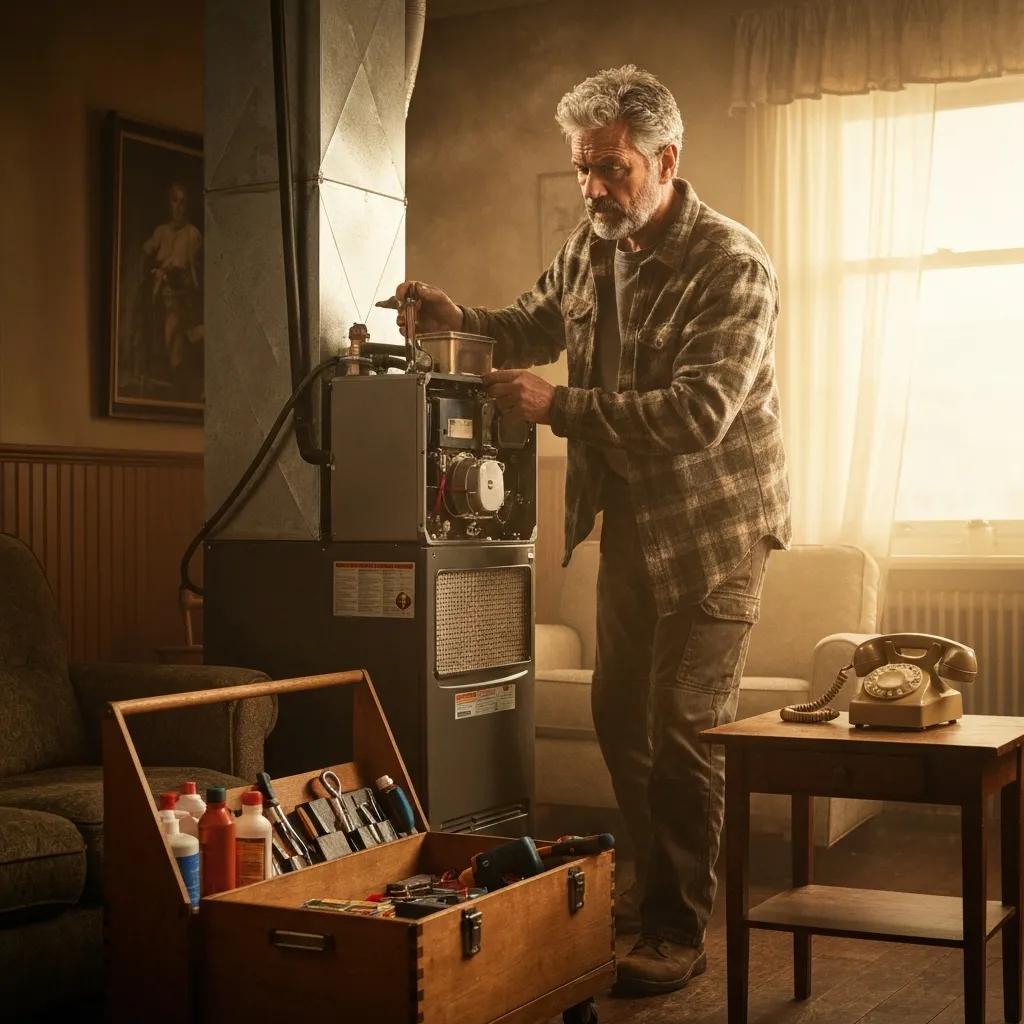
Preparing your furnace for winter means inspecting filters, combustion components, airflow pathways, and safety devices to ensure reliable operation and efficient heat delivery. These steps work by removing airflow restrictions, verifying safe ignition and exhaust, and confirming thermostat control so the system can run without short cycling or overheating.
This checklist highlights simple hands-on tasks to complete in an afternoon and indicates when a professional inspection is warranted to catch hidden issues. The table that follows breaks each task into required tools and suggested frequency so you can plan a quick pre-winter session.
| Task | Required Tools / Supplies | Frequency / Time to Complete |
|---|---|---|
| Replace air filter | Replacement filter (match size), gloves | Every 1–3 months / 10–20 minutes |
| Inspect vents & registers | Vacuum, brush, flashlight | Annually / 20–40 minutes |
| Check ignition/pilot/ignitor | Owner’s manual, soft brush | Annually / 15–30 minutes |
| Test carbon monoxide detector | CO detector, batteries | Monthly checks, batteries yearly |
| Inspect blower & belts | Screwdriver, flashlight | Annually / 20–40 minutes |
This task table makes the maintenance plan scannable and actionable. Completing these items improves airflow and safety while reducing the likelihood of mid-winter failures and costly emergency service calls.
Don't Guess, Get a Professional Assessment!
While DIY checks are helpful, a professional furnace inspection provides a deeper look, identifying hidden issues before they become costly emergencies. Ensure complete peace of mind this winter.
What Are the Essential Furnace Maintenance Tasks for Winter?
Essential maintenance focuses on airflow, combustion, and controls because these subsystems directly affect heat output and safety. Start by replacing the air filter to restore proper airflow and reduce strain on the blower motor; a clogged filter increases energy use and shortens component life. Next, clean or vacuum vents and registers and inspect ductwork for obvious gaps or disconnected sections that cause uneven heating and loss of efficiency. Finally, visually inspect ignition components, verify the burner flame is steady and blue on gas systems, and confirm thermostats and safety switches are operating before the heating demand spikes.
These basic tasks are low-cost preventative measures that most homeowners can complete; they establish a baseline condition and expose issues that require professional diagnostics. When the inspections reveal corrosion, persistent odor of combustion, or irregular flame patterns, schedule a professional inspection to avoid safety hazards and further damage.
Why Is Professional Furnace Inspection Important Before Winter?
A professional inspection finds issues that are difficult to detect with casual checks, such as hidden heat exchanger cracks, carbon monoxide risks, worn bearings, or improper gas pressure that compromise safety and efficiency. Technicians use combustion analyzers, leak detection tools, and trained diagnostic processes to measure performance and identify early component wear that DIY checks cannot. A targeted inspection also recalibrates controls and identifies items that, if left unchanged, lead to emergency service calls during peak winter demand.
Scheduling a professional inspection before winter reduces emergency repair likelihood and often yields measurable efficiency gains that offset inspection cost through lower energy bills. If your system is older, has unusual noises, or you detect safety warnings like CO alarms, we strongly recommend requesting a quote for an in-depth inspection and recommended repairs to ensure safe winter operation.
What Are Common Heater Problems and How Can You Troubleshoot Them?
Common heater problems fall into a few predictable categories: no heat, weak heat, strange noises, and safety alerts. Each symptom maps to likely causes—thermostat settings, power failures, clogged filters, ignition failures, or mechanical wear—and to safe first-response checks homeowners can perform. The decision flow below helps you try quick fixes while clarifying when to stop and call a professional for diagnostics.
Common quick fixes to try first:
- Thermostat check: Ensure set to heat and temperature above room temp.
- Power check: Reset tripped breakers and confirm furnace switch is on.
- Filter check: Replace dirty filters to restore airflow.
These steps resolve many simple outages, but persistent failure after basic checks indicates a need for professional diagnostics. If you attempted DIY troubleshooting and the furnace still won’t start, it’s crucial to request a quote for professional evaluation and repairs to restore safe, reliable heating.
Still Having Trouble? Get Expert Diagnostics!
If basic troubleshooting doesn’t resolve your furnace issues, it’s time for professional help. Our technicians can quickly diagnose and safely repair complex problems.
Why Is My Furnace Not Kicking On and How Do I Fix It?
When a furnace won’t start, the most frequent culprits are thermostat misconfiguration, lack of power, or ignition failure; these account for many no-heat calls and are often fixed quickly. Begin by verifying thermostat mode and power, replacing its batteries if needed, and checking circuit breakers and the furnace power switch. Next, replace or inspect the air filter and examine the pilot light or electronic ignitor for obvious faults; on modern systems, a failed ignitor commonly requires professional replacement. For more information, visit our blog.
If the system attempts to start then shuts off, or shows error lights, this often signals control board or safety-limit switch issues that should be handled by a trained technician. When basic checks don’t restore operation, stop further DIY work and immediately request a quote for professional diagnostics to prevent component damage or unsafe operation.
What Do Strange Noises from Your Furnace Mean?
Different furnace sounds point to different mechanical or combustion issues and help prioritize repairs. Rattling typically signals loose panels, broken furnace cabinet clips, or debris in the blower housing and is often resolved by tightening or cleaning. Screeching or squealing usually indicates a worn blower belt or failing motor bearing and should be corrected promptly to avoid motor failure. Banging or booming during startup is more serious; it can indicate delayed ignition or combustion issues that stress the heat exchanger and pose safety concerns.
If noises persist after checking for loose panels and replacing belts, schedule professional service. Loud combustion-related sounds or metallic impacts require immediate professional inspection. If you hear these, request a quote for diagnostic service without delay, rather than continuing DIY troubleshooting.
How Much Does a Furnace Tune-Up Cost and Is It Worth It?

A furnace tune-up typically ranges across price bands depending on system type, age, and scope; most tune-ups include filter checks, combustion inspection, blower cleaning, and control calibration to restore efficient and safe operation. Regular tune-ups improve energy efficiency, reduce breakdown risk, and extend equipment life by addressing wear before components fail. Below is an EAV table summarizing what a standard tune-up includes and typical price ranges to help you understand value and decide when to request a quote.
Intro: This table outlines typical tune-up inclusions and representative price bands so homeowners can compare service scope and cost.
| Service | Included Tasks | Typical Price Range |
|---|---|---|
| Basic Tune-Up | Filter check, burner inspection, safety control test | $70–$200 |
| Comprehensive Tune-Up | Full combustion test, blower cleaning, thermostat calibration | $150–$400 |
| Diagnostic & Repair | Parts diagnostic, minor repairs, labor | $200–$500+ |
This comparison shows that investing in regular tune-ups can prevent expensive emergency repairs and improve seasonal efficiency. If you want an exact estimate for your system, we encourage you to request a quote for a comprehensive pre-winter tune-up, which includes a thorough inspection, tailored to your furnace type and local conditions.
What Factors Affect Furnace Tune-Up Pricing?
Tune-up price depends on furnace type (gas vs electric), system age and accessibility, diagnostic time, parts required, and regional labor rates. Older systems often require more time and parts, increasing cost, while straightforward modern systems with easy access tend to fall at the lower end of price ranges. Emergency or after-hours service typically carries premiums, and adding repairs or replacement parts raises the final bill notably. our blog
Understanding these factors helps set expectations and choose between a basic service and a comprehensive inspection with diagnostics. If you need firm pricing for your model and location, request a quote to compare options and scope.
How Does Regular Tune-Up Save Energy and Money in Winter?
Regular tune-ups restore design efficiency through burner cleaning, airflow correction, and thermostat calibration, which reduces fuel consumption and stabilizes heating cycles. Conservatively, well-maintained systems can see measurable reductions in energy use and fewer emergency service calls, producing a short payback period when considering avoided repairs and lower bills. A cleaned burner and correct airflow reduce cycling and stress on the blower motor, extending component life and delaying costly replacements.
These savings and reliability benefits make seasonal tune-ups a cost-effective preventive measure; for tailored estimates on expected savings and service planning, request a quote for a maintenance plan that includes regular inspections, matching your system and usage.
Which Are the Best Smart Thermostats for Heating Efficiency This Winter?
Smart thermostats improve winter efficiency by learning patterns, using remote sensors, and enabling precise setback schedules, which reduce wasted heat while maintaining comfort. The right model integrates with your HVAC control system, supports geofencing or learning algorithms, and offers multi-room sensing to eliminate cold spots. For more information, check out our blog.
Below is a comparison table focusing on winter-relevant features and estimated benefits to help you choose the best option for heating control.
| Thermostat Model | Key Heating Features | Winter Benefit / Estimated Savings |
|---|---|---|
| Learning Model A | Auto-schedule learning, adaptive setbacks | Reduces heating runtime, ~5–12% savings |
| Sensor Model B | Remote room sensors, multi-zone sensing | Improves comfort, reduces over-heating unused rooms |
| Geo/Control Model C | Geofencing, remote control via app | Lowers wasted heat, convenient remote adjustments |
This table clarifies that choosing features aligned with your household—sensors for multi-room homes, learning for routine patterns—delivers the best winter comfort and efficiency. If wiring or compatibility is unclear, request a quote for professional installation to ensure correct integration and C-wire needs.
How Do Smart Thermostats Improve Winter Heating Control?
Smart thermostats use algorithms and occupancy data to reduce wasted heating by adapting schedules, enabling temporary setbacks, and balancing multiple sensors to maintain consistent temperatures. These mechanisms prevent unnecessary runtime during empty-house periods while bringing comfort back before occupants return, delivering both lower bills and better temperature stability.
In homes with uneven heating, remote sensors can prioritize occupied zones to reduce overall energy use while improving perceived warmth.
What Should You Know About Smart Thermostat Installation and Setup?
Before installing a smart thermostat, verify compatibility with your furnace control board and check for a C-wire or use a compatible power adapter to ensure continuous power. Installation complexity varies; simple 24V systems are often DIY-friendly, while systems with heat pumps, multi-stage furnaces, or no C-wire may require professional wiring and configuration. Proper setup includes accurate sensor placement, correct equipment type selection in the thermostat menu, and verifying that the thermostat communicates reliably with any remote sensors or home automation hubs.
If wiring questions or compatibility concerns arise, request a quote for professional installation and a system check to avoid miswiring or reduced functionality and to ensure optimal winter performance.
Conclusion
Preparing your furnace for winter is essential for ensuring safety, efficiency, and comfort during the colder months. By following the maintenance steps outlined in this guide, you can prevent costly breakdowns and enhance your heating system’s performance. Don’t wait until the first cold snap; take action now to schedule your furnace inspection or tune-up. Explore our services today to ensure your home stays warm and cozy all winter long.
Ensure Your Winter Comfort and Safety!
Don’t leave your home’s warmth to chance. A professional furnace inspection is the best way to prevent breakdowns, improve efficiency, and ensure peace of mind all season long.