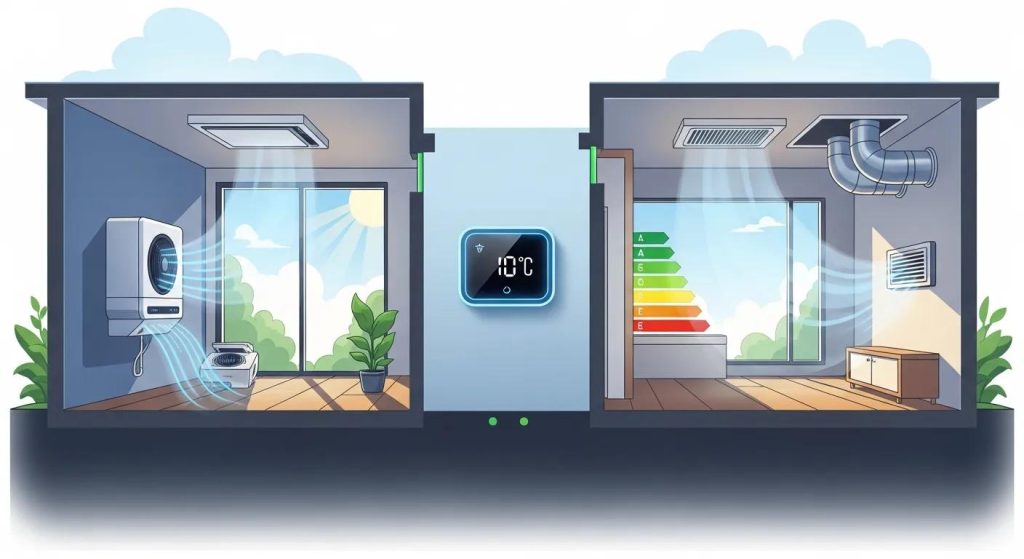
HVAC Trends for 2026: What Homeowners Should Know
As we head into 2026, HVAC is changing faster than many homeowners expect. This guide walks Northwest Indiana homeowners through the developments that matter: smarter controls, higher-efficiency equipment, the refrigerant phase-down, and real improvements in indoor air quality. New technology and shifting rules can make decisions feel complicated — our aim is to make your options clear so you know which upgrades and conversations to prioritize with your HVAC pro.
What Are the Top HVAC Technology Trends for 2026?
Manufacturers and contractors are focused on practical improvements that save energy, improve comfort, and make systems easier to maintain. Look for smarter controls, clearer diagnostics, and setups that let you heat or cool only the spaces you use.
- Smart Thermostats: Devices that learn your routine and let you control temperature from your phone, cutting wasted heating and cooling.
- AI and Predictive Maintenance: Tools that analyze system data to catch problems early, reducing repairs and unexpected downtime.
- Zoning Systems: Set different temperatures for different rooms so you’re not conditioning empty spaces.
How Are Smart Thermostats Transforming Home Climate Control?
Smart thermostats have changed how homeowners balance comfort and energy use. By learning schedules and preferences, they adjust setpoints automatically and can reduce energy use without extra effort. Popular models—like the Nest and comparable learning thermostats—offer remote control, smart-home integrations, and clear energy reports. That visibility helps you see where you’re using energy and where you can save.
Research backs the energy-saving potential of smart thermostats in homes.
Residential Smart Thermostat Energy Savings
A study of 54 smart thermostats installed across two high-rise residential buildings found their operation differs from conventional programmable thermostats and demonstrated measurable energy savings.
Residential smart thermostat use: An exploration of thermostat programming, environmental attitudes, and the influence of smart controls on energy savings, H Stopps, 2021
What Role Does AI and Predictive Maintenance Play in HVAC Systems?
AI-driven tools help contractors and equipment run more efficiently. Predictive maintenance uses sensors and analytics to spot declining performance—such as efficiency drops or refrigerant leaks—so technicians can fix issues before a breakdown. That proactive approach lowers long-term costs and extends equipment life by avoiding emergency replacements.
How Are Energy Efficient HVAC Systems Shaping 2026 Home Comfort?
Energy-efficient HVAC equipment is now a must-have for homeowners who want lower bills and a smaller environmental footprint. New designs squeeze more heating or cooling from the same fuel or electricity while keeping homes comfortable year-round.
- High-Efficiency Furnaces: Newer furnaces extract more heat from each BTU, cutting operating costs.
- Heat Pumps: Heat pumps deliver both heating and cooling efficiently, and modern models perform well across a wider temperature range than earlier units.
- Variable Speed Motors: Motors that modulate output to match demand give steadier temperatures and use less energy.
What Are the Benefits of High-Efficiency Furnaces and Heat Pumps?
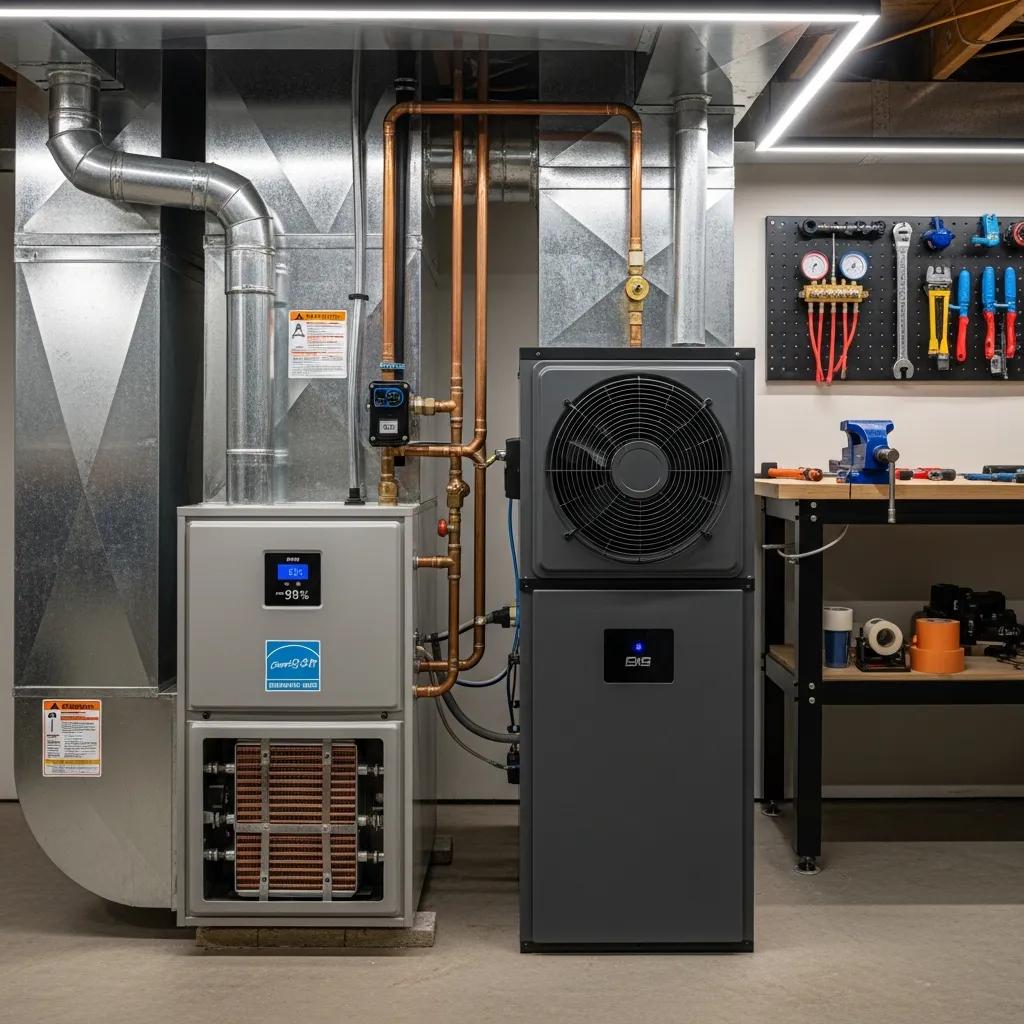
High-efficiency furnaces and heat pumps lower monthly bills and improve comfort by running more effectively and cycling less. For example, a furnace with an AFUE of 90% or higher converts most fuel into usable heat. Many upgrades also qualify for rebates or tax incentives, which can reduce the upfront cost and improve your payback.
Which Federal and Local Incentives Support Energy Efficient Upgrades?
Several financial programs can make efficiency upgrades more affordable:
- Federal Tax Credits: Programs such as those added by the Inflation Reduction Act offer tax credits for qualifying equipment like heat pumps and high-efficiency furnaces.
- Local Rebates: Utilities and regional programs often offer rebates when you replace older equipment with high-efficiency models.
- Financing Options: Low-interest loans or on-bill financing may be available to spread the cost of upgrades over time.
What Does the Refrigerant Phase Down Mean for Homeowners in 2026?
Regulatory changes are cutting the use of high-global-warming-potential (GWP) refrigerants. That affects maintenance, new purchases, and long-term planning for homeowners.
- R-410A Phase-Down: R-410A — common in many existing systems — is being phased down. It’s not banned in every case yet, but production and imports are decreasing.
- Alternative Refrigerants: Lower-GWP refrigerants such as R-32 and R-454B are increasingly used in new systems.
- System Compatibility: Older equipment may not be compatible with newer refrigerants, so replacement could be needed to meet future rules and keep performance high.
Why Is R-410A Being Phased Down and What Are the Alternatives?
R-410A is being reduced because it has a relatively high global warming potential. Newer refrigerants like R-32 and R-454B offer much lower GWP while maintaining cooling performance. Some alternatives require different equipment or handling, so talk with a certified HVAC technician to pick the right solution for your home.
Moving away from high-GWP refrigerants is necessary and technical—ongoing research continues to identify safer, lower-GWP options.
HVAC Refrigerant Regulations & R-410A Alternatives
Recent analysis of refrigerant policy and technology notes the push to phase down third-generation HFCs and the rise of low-GWP alternatives. It also highlights that some A2L refrigerants are not direct drop-in replacements for R-410A and require equipment and safety considerations.
Cool Refrigerant Developments for a Warming World: Low GWP HVAC Refrigerant Regulations and Technologies in US and Global Markets, 2024
How Can Homeowners Upgrade to Low-GWP Refrigerants?
Typical steps to move toward low-GWP refrigerants include:
- Consult an HVAC Professional: A certified technician can evaluate your system and recommend safe, effective options.
- System Replacement: Often, installing new equipment designed for low-GWP refrigerants is the most reliable long-term choice.
- Proper Disposal: Make sure old refrigerants are recovered and recycled or disposed of according to regulations to minimize environmental harm.
How Can Indoor Air Quality Be Improved with Advanced HVAC Solutions?
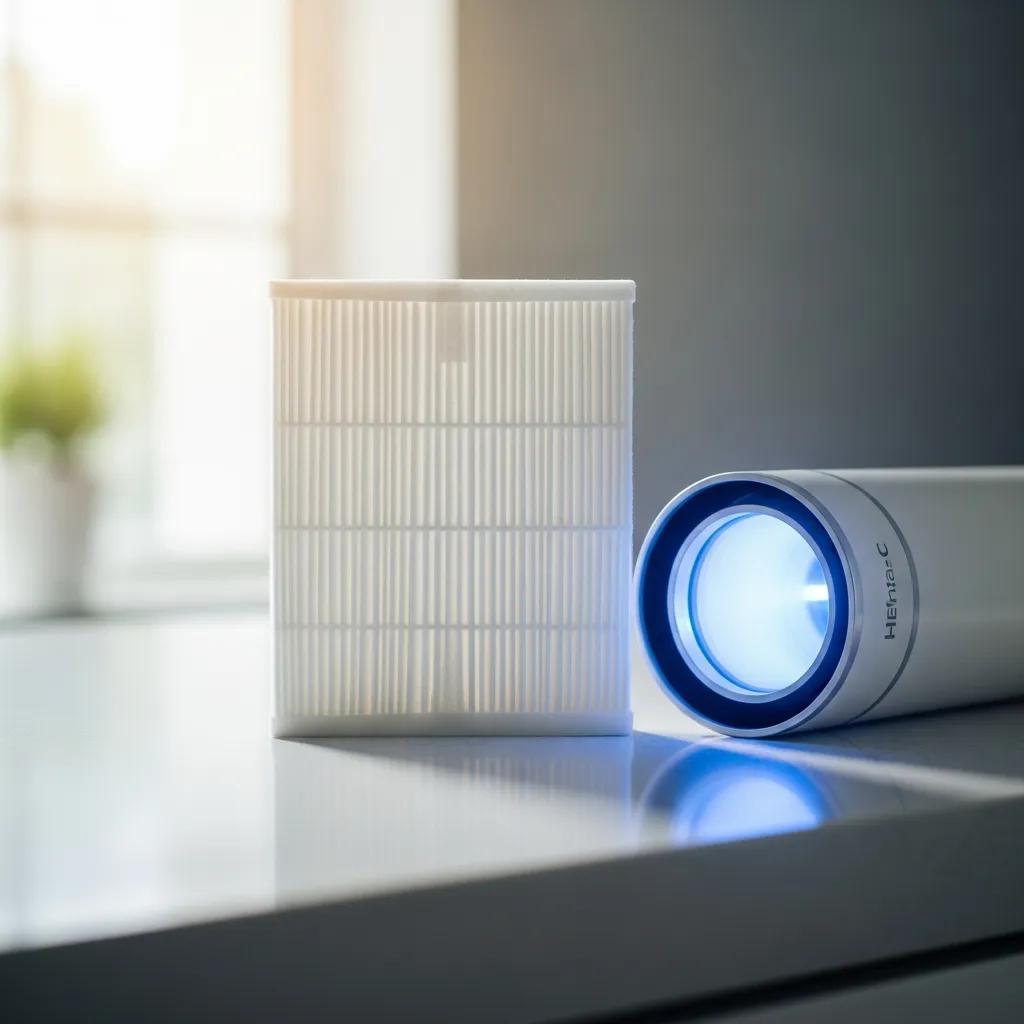
Indoor air quality (IAQ) affects health and comfort. Modern HVAC add-ons and upgrades remove particles, reduce germs, and control humidity—helping make your home healthier and more comfortable.
- HEPA Filters: High-efficiency filters capture a large share of airborne particles, including common allergens.
- UV-C Purifiers: Ultraviolet systems can inactivate bacteria and viruses in the airstream or on coils.
- Humidity Control Systems: Dehumidifiers or whole-home humidifiers keep moisture in a healthy range to prevent mold and improve comfort.
What Are the Benefits of HEPA Filters, UV-C Purifiers, and Humidity Control?
Each solution targets specific IAQ issues: HEPA filters cut dust and pollen, UV-C reduces biological contaminants, and humidity control prevents mold and dryness. Together they can noticeably ease allergy symptoms and make indoor air feel fresher.
How Do These Solutions Impact Home Health and Comfort?
Improving IAQ brings everyday wins: fewer allergy flare-ups, fewer airborne contaminants, and more consistent comfort. Better indoor air supports overall well-being—often a modest IAQ investment yields noticeable health and comfort benefits.
Studies consistently show that filtration and UV-C can reduce airborne particles and biological contaminants.
Improving Indoor Air Quality with Air Cleaners
Indoor air quality affects daily life since people spend the majority of time indoors. Experiments using filtration and UV-C treatment showed reductions in particulate matter and airborne bacteria, demonstrating measurable IAQ improvements.
Indoor air quality improvement with filtration and UV-C on mitigation of particulate matter and airborne bacteria: Monitoring and modeling, P Li, 2024
Why Furnace Exchange LLC Leads Future-Proof HVAC in Northwest Indiana?
At Furnace Exchange LLC we pair local experience with up-to-date HVAC know-how to keep Northwest Indiana homes comfortable, efficient, and prepared for coming regulations. We prioritize practical solutions that deliver measurable savings and dependable performance.
How Does Our Local Expertise Align with 2026 HVAC Trends?
We understand Northwest Indiana’s climate and common home setups, and we track the technology and regulatory changes that affect our customers. That experience helps us recommend the right efficiency upgrades, refrigerant strategies, and IAQ options that actually work here.
Which Installation, Repair, and Maintenance Services Support Smart and Efficient Systems?
Furnace Exchange LLC handles installation, repair, and preventive maintenance for smart thermostats, high-efficiency furnaces, heat pumps, and IAQ equipment. From full system replacements to seasonal tune-ups, our services are built to keep gear running safely and efficiently.
| System Type | Efficiency Rating | Benefits |
|---|---|---|
| High-Efficiency Furnace | AFUE ≥ 90% | Lower energy bills and steadier comfort |
| Heat Pump | SEER ≥ 15 | Heating and cooling in one system with energy savings |
| Smart Thermostat | N/A | Remote control and simpler energy management |
This table highlights common systems and their main benefits, showing how efficiency improves comfort and operating costs.
Frequently Asked Questions
What are the key factors to consider when upgrading HVAC systems?
Think about efficiency ratings, whether new equipment fits your existing setup, and the climate needs of your home. Weigh long-term operating costs against the initial price and check for rebates or tax incentives. Also consider features like smart controls and zoning that improve comfort and control. A qualified HVAC professional can help match choices to your home and local rules.
How can homeowners improve their indoor air quality beyond HVAC upgrades?
Along with HVAC upgrades, keep your home clean—dust regularly, vacuum with a HEPA-capable vacuum, and use portable air purifiers where needed. Improve ventilation with exhaust fans or occasional fresh-air exchanges. Avoid indoor smoking and limit harsh chemicals. And don’t forget to change HVAC filters regularly to maintain clean airflow.
What maintenance practices can extend the life of HVAC systems?
Schedule annual maintenance, replace or clean filters as recommended, check refrigerant levels, and inspect ducts for leaks. Keep outdoor units free of debris and ensure proper airflow. Address odd noises or performance drops quickly. A maintenance plan with a trusted provider helps keep things on schedule and prevents small issues from becoming big problems.
What are the environmental benefits of using low-GWP refrigerants?
Low-GWP refrigerants reduce the climate impact of HVAC systems by lowering greenhouse gas emissions compared with older refrigerants like R-410A. Switching to these alternatives helps shrink your home’s carbon footprint while keeping heating and cooling effective. Using low-GWP refrigerants also helps meet evolving regulations and supports more sustainable HVAC practices.
How do zoning systems enhance energy efficiency in homes?
Zoning systems let you set different temperatures for different areas of the house. That means you can avoid heating or cooling rooms you’re not using and focus energy where people actually are. The result is lower energy use, reduced bills, and better comfort control across the home.
What role do government incentives play in HVAC upgrades?
Incentives make upgrades more affordable. Federal tax credits and local rebates can significantly lower upfront costs for efficient systems and smart tech. These programs encourage homeowners to choose options that cut energy use and emissions. Staying informed about available incentives helps you maximize savings when upgrading.
What should homeowners consider when choosing an HVAC service provider?
Look for local experience, proper licensing and insurance, and strong customer reviews. Ask about certifications, warranties, and their familiarity with smart and high-efficiency systems. Clear estimates and straightforward communication matter — you want a contractor who explains options in plain language and stands behind their work.
How can homeowners prepare for the refrigerant phase-down?
Start by identifying the refrigerant in your system and have a trusted technician inspect it. If your system uses R-410A, ask about service plans and what replacement options look like for your home. Track local regulations and incentives so you can plan replacements or retrofits on your schedule, not under emergency conditions.
What are the signs that an HVAC system needs maintenance?
Watch for unusual noises, uneven heating or cooling, rising energy bills, odd smells, or visible leaks. If the system cycles too often or struggles to reach set temperatures, schedule a service call. Regular maintenance helps catch small issues before they become costly repairs.
What is the impact of humidity control on indoor air quality?
Keeping indoor humidity around 30%–50% helps prevent mold and dust-mite growth while avoiding overly dry air that irritates skin and airways. Proper humidity control supports comfort and IAQ; whole-home systems tied into your HVAC offer the best, most consistent balance.
How do energy-efficient HVAC systems contribute to sustainability?
Efficient systems use less energy, which lowers utility bills and reduces greenhouse gas emissions from heating and cooling. Technologies like variable-speed motors and smart controls optimize use, and many efficient systems qualify for rebates that make upgrades more affordable — a win for both your wallet and the environment.
What are the long-term benefits of investing in smart HVAC technology?
Smart HVAC tech offers steady benefits: lower energy use, fewer emergency repairs thanks to early alerts, and better comfort through improved scheduling and control. Over time, energy savings and longer equipment life typically offset the initial investment.