
Essential Fall Furnace Maintenance Checklist for Lake County
As the temperatures begin to drop in Lake County, Indiana, homeowners must prepare their heating systems for the cold months ahead. Fall furnace maintenance is essential to ensure that your heating system operates efficiently and reliably throughout the winter. This article provides a comprehensive checklist to help you prevent unexpected furnace failures, which often occur at the most inconvenient times. By following this guide, you will learn about the importance of seasonal maintenance, essential steps for a fall HVAC tune-up, and when to call a professional for inspection and repair. Additionally, we will explore energy-efficient tips that can save you money this fall and highlight local resources available through Furnace Exchange LLC.
Why Is Fall Furnace Maintenance Crucial to Prevent Breakdowns?
Fall furnace maintenance is crucial to prevent breakdowns because it allows homeowners to identify potential issues before they escalate, which can lead to costly repairs and energy inefficiencies. Regular maintenance tasks, such as changing filters and cleaning components, enhance the performance and longevity of the heating system, ensuring it operates efficiently throughout the winter. This proactive care helps avoid unexpected heating failures and maintains comfort in the home.
What Are Common Signs of Furnace Failure in Lake County Homes?
Homeowners should be vigilant for several signs that may indicate furnace failure. Common indicators include:
- Unusual Noises: Sounds such as banging, rattling, or squealing can signal mechanical issues.
- Inadequate Heating: If certain rooms are not warming up, it may indicate a problem with the furnace.
- Frequent Cycling: A furnace that turns on and off too often may be struggling to maintain the desired temperature.
Recognizing these signs early can prevent more significant issues down the line.
How Does Seasonal Maintenance Reduce Emergency Repairs?
Seasonal maintenance reduces emergency repairs by allowing homeowners to identify potential issues before they escalate into major problems. Regular check-ups can enhance the performance and efficiency of HVAC systems, which helps prevent costly repairs and energy inefficiencies. Tasks such as changing filters and cleaning components are part of this maintenance, ensuring systems operate at peak efficiency and extending their lifespan.
What Are the Essential Steps in a Fall HVAC Tune-Up Checklist?
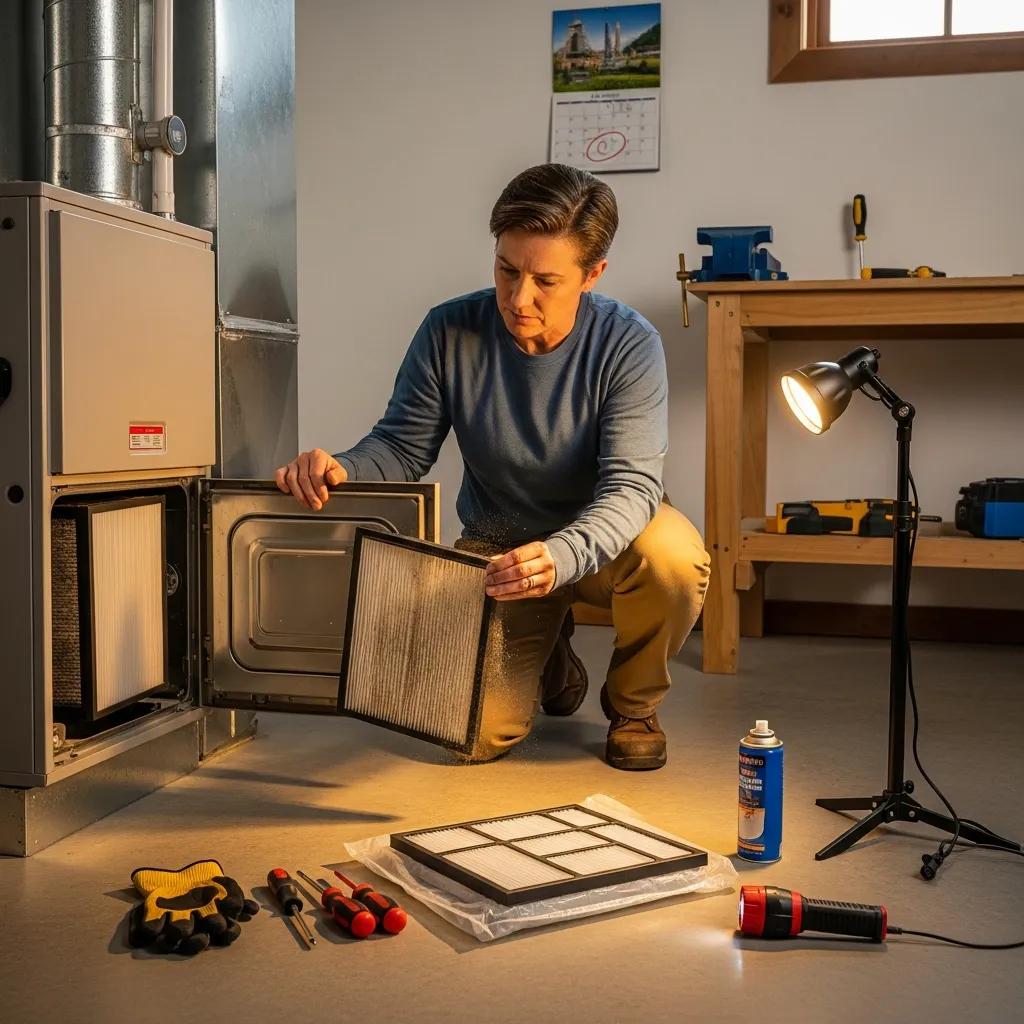
A thorough fall HVAC tune-up checklist includes several essential steps to ensure your furnace is ready for winter. These steps help maintain efficiency and safety.
- Inspect and Replace Furnace Filters: Regularly changing filters improves airflow and efficiency. Homeowners should check filters monthly and replace them every 1-3 months, depending on usage.
- Check Safety Mechanisms: Ensure that safety features, such as carbon monoxide detectors and emergency shut-off switches, are functioning correctly.
- Clean Heating Components: Dust and debris can accumulate in the furnace, reducing efficiency. Cleaning components like burners and heat exchangers is vital for optimal performance.
Following these steps can significantly reduce the risk of furnace failure during the cold months.
How to Inspect and Replace Furnace Filters Effectively?
Inspecting and replacing furnace filters is a straightforward process that can greatly enhance your heating system’s efficiency. Homeowners should:
- Locate the Filter: Find the filter compartment, usually near the blower motor.
- Check the Condition: If the filter appears dirty or clogged, it’s time for a replacement.
- Replace with the Correct Size: Ensure the new filter matches the size specifications indicated on the old filter.
Regular filter maintenance not only improves air quality but also helps the furnace run more efficiently.
What Safety Checks Should Homeowners Perform Before Winter?
Before winter sets in, homeowners should conduct several safety checks to ensure their heating systems are safe and effective:
- Check Carbon Monoxide Detectors: Ensure detectors are functional and have fresh batteries.
- Inspect Vents: Clear any obstructions from vents to allow for proper airflow.
- Ensure Proper Airflow: Check that furniture or other items are not blocking air registers.
These safety checks can prevent hazardous situations and ensure a comfortable home environment.
When Should You Call a Professional for Furnace Inspection and Repair?
You should call a professional for furnace inspection and repair if you notice unusual noises, if your system is not heating effectively, or if you encounter any issues that basic troubleshooting cannot resolve. Regular maintenance is also crucial to prevent potential issues from escalating.
What Are the Benefits of Professional Furnace Inspection in Lake County?
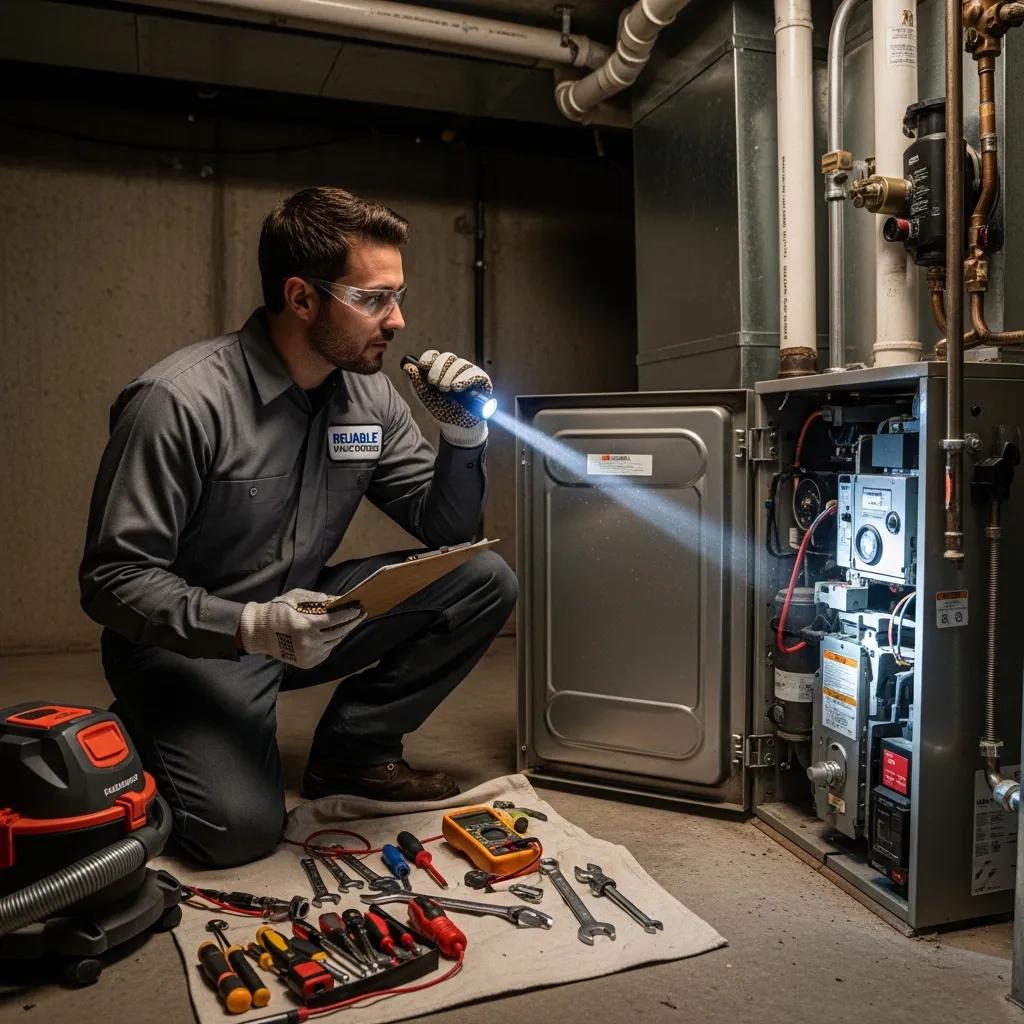
The benefits of professional furnace inspection in Lake County include:
- Identifying Potential Issues: Routine check-ups can help homeowners identify potential problems before they escalate, preventing costly repairs.
- Improving Efficiency: A well-maintained furnace can operate at peak efficiency, potentially reducing energy bills by up to 20%.
- Extending Lifespan: Regular maintenance tasks enhance the performance and longevity of the furnace.
- Safety Assurance: Inspections ensure that the heating system operates safely, reducing risks associated with malfunctioning equipment.
Overall, professional inspections contribute to reliable heating solutions and energy savings.
How to Identify Emergency Furnace Repair Needs?
To identify emergency furnace repair needs, homeowners should look for the following signs:
- Unusual Noises: Listen for any strange sounds coming from the furnace, which may indicate a problem that requires immediate attention.
- Inadequate Heating: If the furnace is not heating effectively, it may need urgent repair.
- Frequent Cycling: If the furnace turns on and off frequently, it could signal an issue that needs to be addressed.
- Increased Energy Bills: A sudden spike in energy costs may suggest that the furnace is not operating efficiently and may require repair.
- Foul Odors: Any strange smells, especially gas odors, should be taken seriously and warrant immediate professional inspection.
If you notice any of these issues, it is advisable to contact a professional HVAC emergency repair service.
How Can Energy-Efficient Furnace Tips Save Costs This Fall?
Energy-efficient furnace tips can save costs this fall by ensuring that heating systems operate at peak efficiency. Regular HVAC maintenance, such as changing filters and cleaning coils, can reduce energy bills by up to 20%. Upgrading to high-efficiency furnaces can lower heating costs by up to 20% compared to older models. Additionally, using programmable thermostats allows homeowners to optimize heating schedules, further enhancing energy savings. Proper insulation and air sealing can also reduce heating energy use by 10-30%, leading to significant cost savings.
Further exploring the broader context of energy efficiency, various strategies can be employed to optimize HVAC system performance.
Strategies for Energy Efficient HVAC Systems
Energy efficient HVAC systems can be created by re-configuring traditional systems to make more strategic use of
A review of different strategies for HVAC energy saving, V Vakiloroaya, 2014
What Are Smart Thermostat Integrations for Furnace Control?
Smart thermostat integrations for furnace control include features such as learning algorithms, geofencing, remote monitoring, zoning, and multi-stage system compatibility. These features help optimize heating efficiency by adapting schedules based on occupancy, automatically adjusting setpoints, allowing remote adjustments, and ensuring that only necessary areas are heated. Additionally, AI integration can enhance performance through predictive control and fault detection, further improving energy efficiency and comfort.
How Does Regular Maintenance Improve Furnace Energy Efficiency?
Regular maintenance improves furnace energy efficiency by ensuring the system operates at peak efficiency, which can potentially reduce energy bills by up to 20%. Routine tasks such as changing filters and cleaning components help identify and resolve potential issues before they escalate, leading to costly repairs and energy inefficiencies. Additionally, proper maintenance of components like the condensate trap and secondary heat exchanger in condensing furnaces preserves efficiency and longevity.
While regular maintenance is often touted for its efficiency benefits, research suggests that the impact of basic tune-ups on system efficiency can vary.
Heating System Tune-Ups & Efficiency for Homes
ABSTRACT: Oak Ridge National Laboratory conducted a two-year field test involving over 300 homes to evaluate the US Department of Energy Weatherization Assistance Program for low-income fuel-oil-heated houses. One conclusion was that houses receiving oil-burner clean and tune-ups did not increase in system steady-state efficiency any more than a similar group of weatherized and control houses not receiving clean and tune-ups. A set of oil-burner performance goals proposed by the Alliance to Save Energy were not attained by most of the tuned-up oil systems, thereby not achieving a major benefit of heating-system programs from current implementation methods. Whole-system replacements produced higher-than-average savings and systems with flame-retention burners had higher steady-state efficiencies and used less fuel than normal burners. Other space-heating-system measures including setback thermostats were not statistically significant in reducing fuel-oil consumption.
Are heating-system retrofit and tune-up programs really increasing the efficiency of oil-fired systems?, MP Ternes, 1994
What Local Resources and Services Does Furnace Exchange LLC Offer for Fall Maintenance?
Furnace Exchange LLC is a specialized HVAC service provider focused on installation, repair, and maintenance of furnaces and heating systems in Lake County, Indiana. Their core offering aligns directly with the topic of preventing furnace failures through fall maintenance checklists. The company emphasizes reliable HVAC solutions tailored for homeowners in Northwest Indiana, providing expert furnace inspections, tune-ups, and emergency repairs.
How to Access Comprehensive Maintenance Plans in Lake County?
Homeowners can access comprehensive maintenance plans through Furnace Exchange LLC by contacting their service team. These plans typically include regular inspections, filter replacements, and priority service during peak heating seasons, ensuring that your furnace remains in optimal condition throughout the winter months.
What Emergency Repair Services Are Available During Cold Months?
Furnace Exchange LLC offers Northwest Indiana’s best HVAC emergency repair services available during cold months, indicating that reliable emergency repair services for HVAC systems are accessible to restore comfort quickly and efficiently. Their team is equipped to handle urgent repairs, ensuring that homeowners can maintain a warm and safe environment during the coldest months of the year.