
How to Choose the Right Furnace Size: BTU & Heating Load Calculator
Choosing the right furnace size for your home is crucial for ensuring optimal heating efficiency and comfort. A furnace that is too small will struggle to heat your space, while one that is too large can lead to excessive energy costs and discomfort. This guide will help you understand the key factors involved in selecting the correct furnace size, including the importance of BTU ratings and heating load calculations. You will learn how to accurately assess your home’s heating needs, the risks associated with incorrect sizing, and how local climate conditions can influence your decision. Additionally, we will explore best practices for furnace installation and maintenance to ensure long-term efficiency and performance.
What Is BTU and How Does It Affect Furnace Sizing?
BTU, or British Thermal Unit, is a measurement of heat energy. It quantifies the amount of energy required to raise the temperature of one pound of water by one degree Fahrenheit. Understanding BTU is essential for furnace sizing because it directly relates to the heating capacity of a furnace. A furnace’s BTU rating indicates how much heat it can produce, which is critical for meeting your home’s heating demands. Properly sizing your furnace based on BTU requirements ensures that your heating system operates efficiently, providing comfort without unnecessary energy waste.
How Do BTU and Home Furnace Capacity Relate?
The relationship between BTU and furnace capacity is straightforward: the higher the BTU rating, the more heat the furnace can generate. For instance, a furnace with a rating of 40,000 BTUs is suitable for smaller homes, while larger homes may require units rated at 80,000 BTUs or more. This capacity must align with your home’s specific heating needs, which can vary based on factors such as insulation quality and square footage. Understanding this relationship helps homeowners make informed decisions about which furnace size will best suit their needs.
Why Is Understanding BTU Essential for Heating Load Calculation?
Understanding BTU is crucial for heating load calculations because it helps determine the amount of heat needed to maintain a comfortable indoor temperature. If the BTU requirements are miscalculated, it can lead to inefficient heating, resulting in higher energy bills and discomfort. Accurate heating load calculations take into account various factors, including the size of the home, insulation levels, and local climate conditions. By ensuring that the BTU rating of the furnace matches the calculated heating load, homeowners can achieve optimal energy efficiency and comfort.
How to Calculate Your Home's Heating Load Accurately
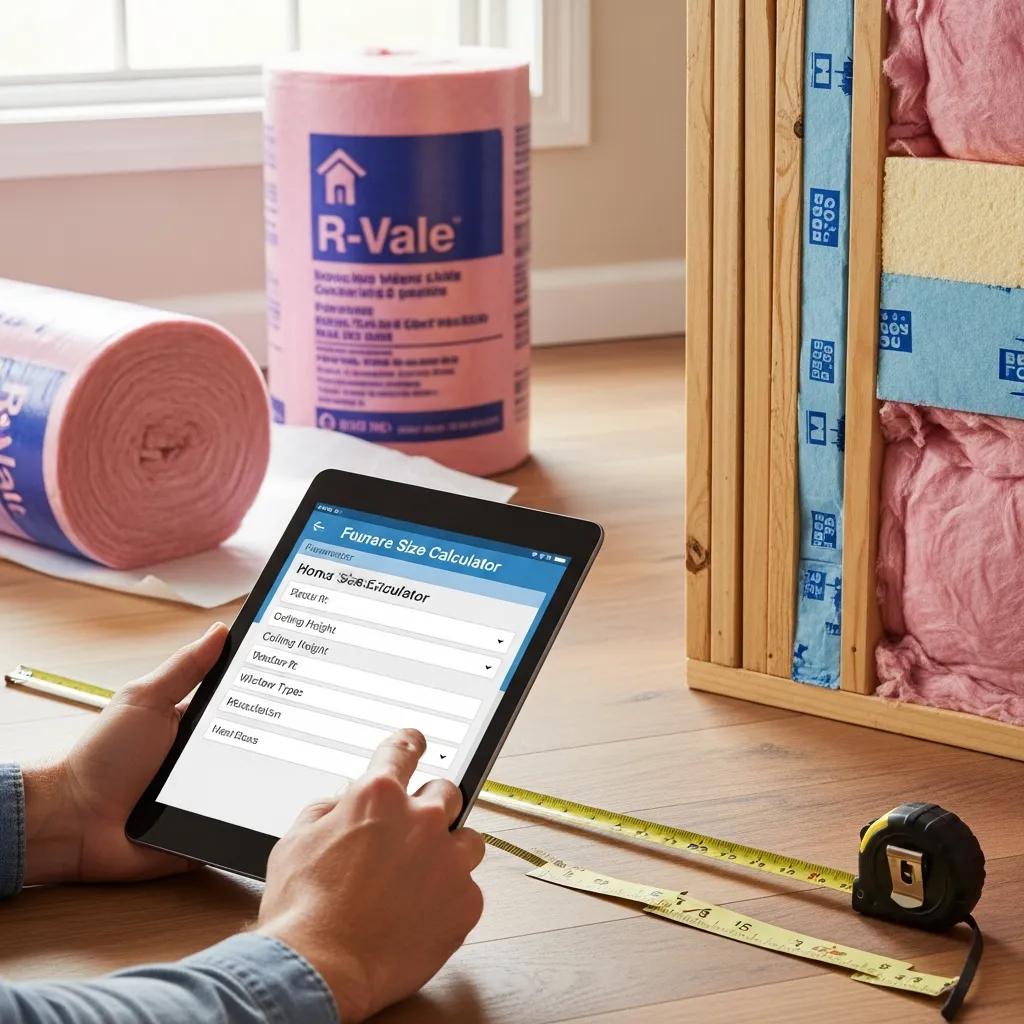
Calculating your home’s heating load accurately involves assessing several key factors that influence how much heat is required to maintain a comfortable environment. This process ensures that you select a furnace that meets your specific heating needs without oversizing or undersizing.
What Factors Influence Heating Load Calculation?
Several factors influence heating load calculations, including:
- Home Size: The total square footage of your home directly impacts the amount of heat required.
- Insulation Quality: Well-insulated homes retain heat better, reducing the heating load.
- Local Climate: The average temperature and seasonal variations in your area affect heating needs.
By considering these factors, you can arrive at a more accurate estimate of your heating load, ensuring that your furnace is appropriately sized.
How to Use a Furnace Size Calculator for Precise Results?
Using a furnace size calculator can simplify the process of determining your heating load. To use one effectively, follow these steps:
- Input Home Dimensions: Enter the square footage of your home.
- Assess Insulation: Indicate the quality of your insulation (poor, average, or good).
- Consider Local Climate: Provide information about your local climate conditions.
The calculator will then provide an estimated BTU requirement for your home, helping you choose a furnace that meets your heating needs accurately.
What Are the Risks of Choosing the Wrong Furnace Size?
Choosing the wrong furnace size can lead to several significant issues, including increased energy costs, discomfort, and potential damage to the heating system. Understanding these risks is essential for making an informed decision.
What Happens If Your Furnace Is Too Big or Too Small?
If your furnace is too small, it will struggle to heat your home adequately, leading to cold spots and discomfort. Conversely, an oversized furnace will cycle on and off frequently, which can cause wear and tear on the system and lead to higher energy bills. This cycling can also result in uneven heating, making it difficult to maintain a consistent temperature throughout your home.
How Does Incorrect Furnace Sizing Impact Energy Efficiency and Costs?
Incorrect furnace sizing can significantly impact energy efficiency and costs. An oversized furnace consumes more energy than necessary, leading to inflated utility bills. Additionally, the frequent cycling of an oversized unit can shorten its lifespan, resulting in costly repairs or replacements. On the other hand, an undersized furnace will work harder to meet heating demands, which can also lead to increased energy consumption and higher costs over time.
How Does North West Indiana's Climate Affect Furnace Size Selection?
The climate in Northwest Indiana plays a crucial role in determining the appropriate furnace size for homes in the area. Understanding local climate factors can help homeowners make better decisions regarding their heating systems.
What Local Climate Factors Should Homeowners Consider?
Homeowners in Northwest Indiana should consider several local climate factors, including:
- Temperature Variations: The region experiences significant temperature fluctuations throughout the year, necessitating a furnace that can handle cold winters.
- Humidity Levels: Humidity levels in Northwest Indiana are moderate; while humidity can affect comfort, it has less direct impact on heating efficiency compared to temperature.
By taking these factors into account, homeowners can select a furnace that is better suited to their local climate conditions.
How Do Heating Degree Days Influence Furnace Capacity Needs?
Heating degree days (HDD) are a measure of how much heating is needed based on outdoor temperatures. In Northwest Indiana, the number of HDD typically ranges from about 5,000 to 6,000 annually, indicating a moderate to high heating demand during winter months. Higher HDD values indicate a greater need for heating, which directly influences the required furnace capacity. Homeowners should consult local HDD data to better understand their heating needs and select a furnace that can adequately meet those demands.
What Are the Best Practices for Furnace Installation and Maintenance?
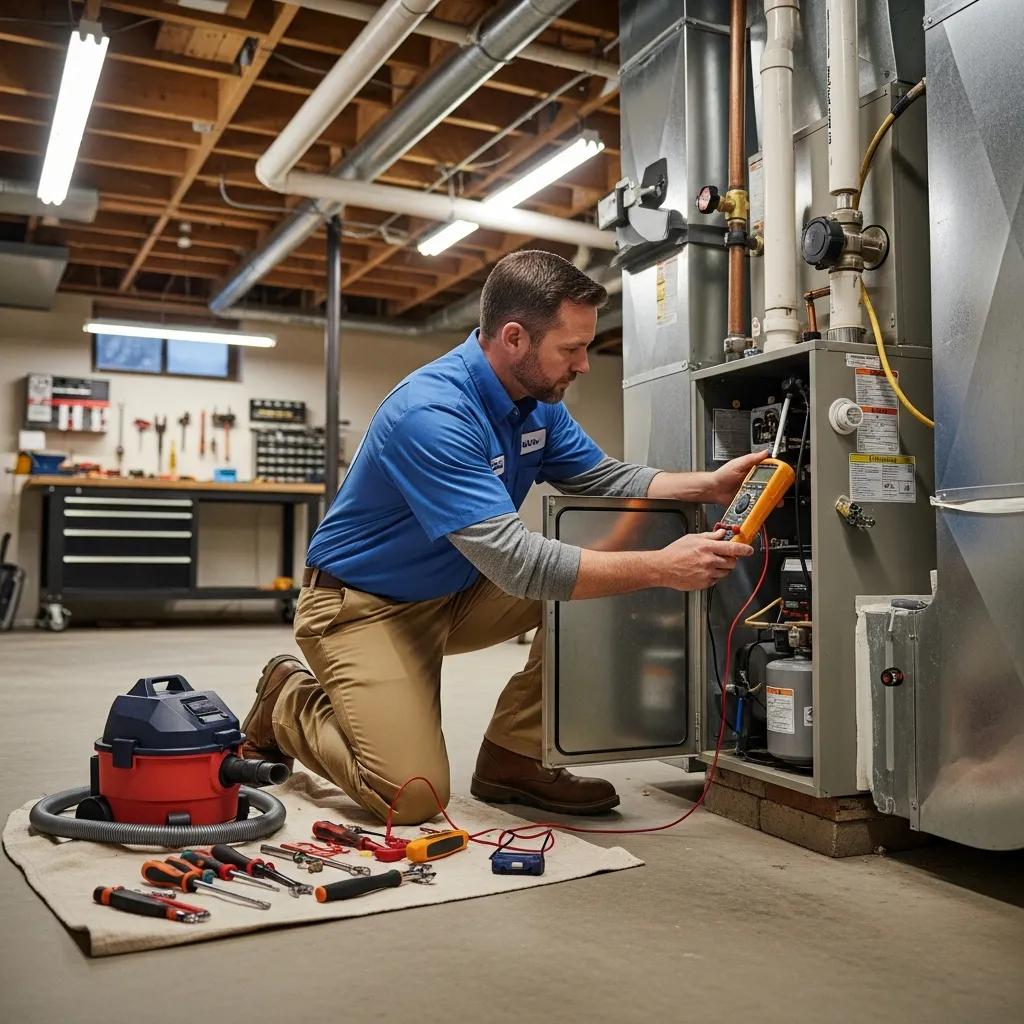
Proper installation and maintenance of your furnace are essential for ensuring optimal performance and longevity. Following best practices can help you avoid common pitfalls and maximize your heating system’s efficiency.
Why Is Professional Installation Important for Optimal Furnace Performance?
Professional installation is crucial for optimal furnace performance because it ensures that the unit is set up correctly and operates efficiently. Experienced technicians understand the nuances of furnace installation, including proper venting, ductwork, and electrical connections. This expertise minimizes the risk of issues that can arise from improper installation, such as safety hazards and reduced efficiency.
How Does Regular Maintenance Extend Furnace Lifespan and Efficiency?
Regular maintenance is vital for extending the lifespan and efficiency of your furnace. Routine checks, such as changing filters, cleaning components, and inspecting for wear, can prevent breakdowns and ensure that the system operates at peak efficiency. Homeowners should schedule annual maintenance with a qualified HVAC technician to keep their furnace in optimal condition and avoid costly repairs down the line.
For those seeking professional assistance with HVAC installation, repair, and maintenance services, it is essential to choose a reputable provider. Ensuring that your furnace is installed and maintained by experts can significantly enhance its performance and longevity, ultimately leading to a more comfortable and energy-efficient home.