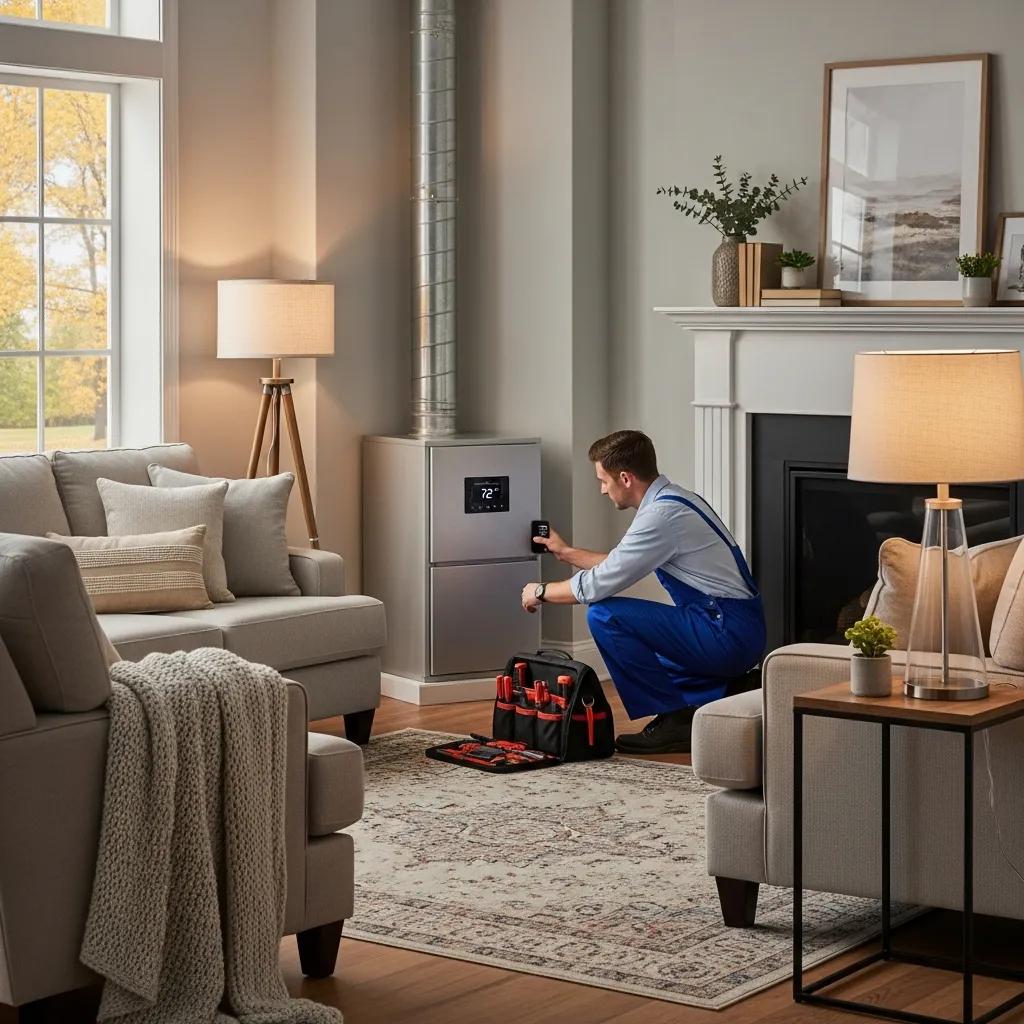
Furnace Installation Cost Guide 2026: What Homeowners Should Expect for Prices and Services
As homeowners prepare for the upcoming year, understanding the costs associated with furnace installation becomes crucial. In 2026, the landscape of HVAC systems is evolving, with various factors influencing pricing and service availability. This guide aims to provide a comprehensive overview of what to expect regarding furnace installation costs, including average prices, labor fees, and the impact of energy efficiency ratings. Homeowners often face challenges in budgeting for these essential systems, but with the right information, they can make informed decisions. This article will cover average installation prices, factors influencing costs, top furnace brands, the installation process, and where to find trusted local HVAC services.
What Are the Average Furnace Installation Prices in 2026?
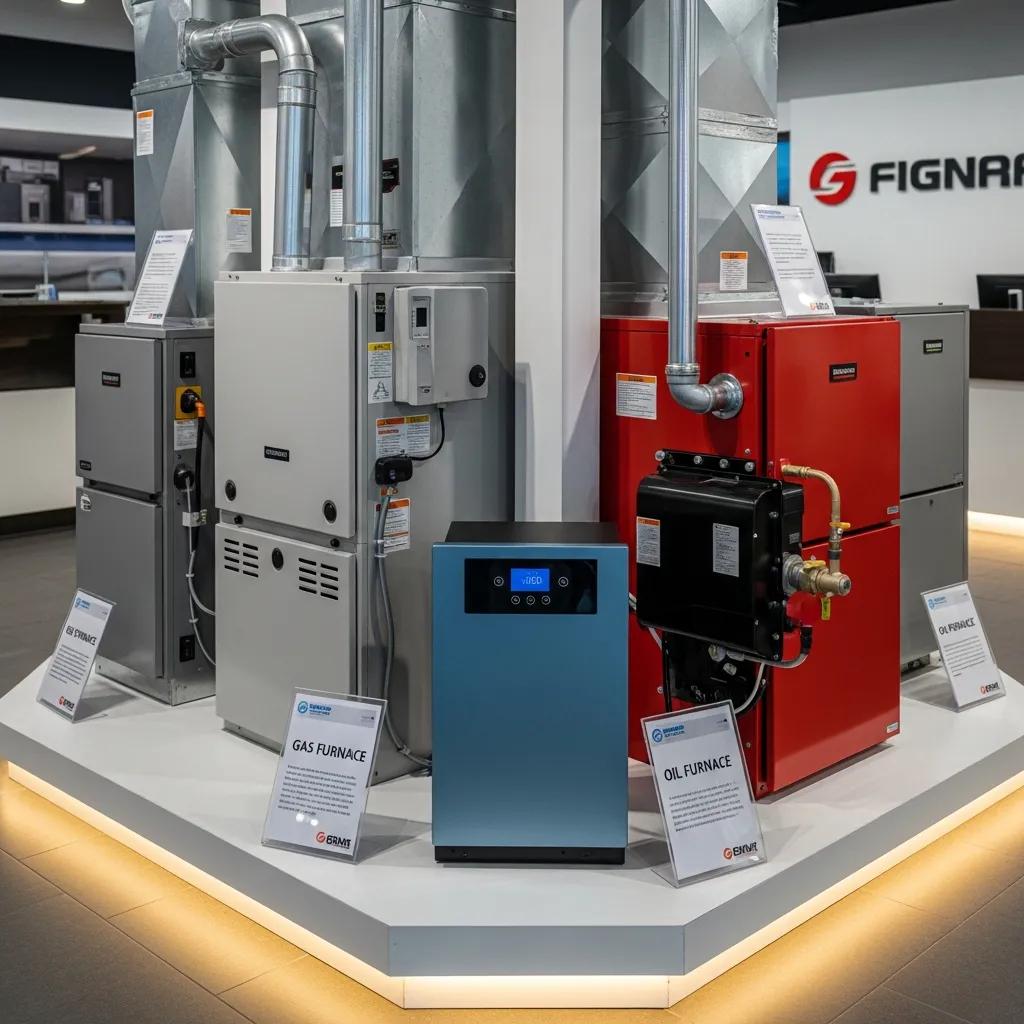
In 2026, the average costs for furnace installation vary significantly based on the type of furnace and additional factors such as labor and permits. Homeowners can expect to pay between $3,000 and $7,500 for a complete installation, depending on the furnace type and complexity of the installation.
How Do Costs Vary by Furnace Type: Gas, Electric, and Oil Models?
The costs associated with different furnace types can vary widely. Here’s a breakdown of average installation prices for each type:
- Gas Furnace: Typically ranges from $3,500 to $6,500, depending on the model and efficiency.
- Electric Furnace: Generally costs between $2,500 and $5,000, making it a more affordable option upfront.
- Oil Furnace: Installation costs can range from $4,000 to $7,500, often influenced by the need for additional components like oil tanks.
These price ranges reflect the initial investment required for each type of furnace, but homeowners should also consider long-term operating costs and energy efficiency.
What Are Typical Labor and Permit Fees Included in Installation?
Labor and permit fees are essential components of the overall installation cost. Homeowners should anticipate the following typical fees:
- Labor Costs: Installation labor can range from $1,000 to $3,000, depending on the complexity of the job and local labor rates.
- Permit Fees: These fees typically range from $50 to $500, depending on local regulations and the scope of the installation.
Understanding these costs helps homeowners budget effectively for their furnace installation.
2026 Furnace Installation Cost Guide: Prices, Labor & Services
Several factors can significantly influence the overall costs of furnace installation in North West Indiana.
How Does Location Affect Pricing and Service Availability?
Location plays a crucial role in determining installation costs. In North West Indiana, homeowners may experience variations in labor costs based on local demand and availability of skilled technicians. Additionally, geographic factors can affect the complexity of installation, particularly if ductwork modifications are necessary.
What Role Do Energy Efficiency Ratings and Furnace Brands Play?
Energy efficiency ratings, such as the Annual Fuel Utilization Efficiency (AFUE), can impact both the initial cost and long-term savings. Higher-rated furnaces may have a higher upfront cost but can lead to significant savings on energy bills over time. Additionally, the brand of the furnace can influence pricing, with well-known brands often commanding a premium due to their reputation for reliability and performance.
What Are the Top Furnace Brands and Their Energy Efficiency Ratings?
When selecting a furnace, homeowners should consider the top brands and their energy efficiency ratings.
How Do Carrier, Trane, and Lennox Compare in Price and Performance?
Carrier, Trane, and Lennox are among the leading furnace brands, each offering a range of models with varying prices and performance metrics.
- Carrier: Known for its reliability, Carrier furnaces typically range from $3,500 to $6,500, with high-efficiency models offering AFUE ratings up to 98.5%.
- Trane: Trane furnaces are priced similarly, often between $3,800 and $7,000, and are recognized for their durability and performance.
- Lennox: Lennox offers a range of models, with prices from $3,600 to $7,500, and is noted for its energy-efficient options, including models with AFUE ratings exceeding 98%.
What Are the Benefits of Choosing Energy Star Certified Furnaces?
Choosing Energy Star certified furnaces can provide several benefits, including:
- Energy Savings: These models are designed to use less energy, resulting in lower utility bills.
- Environmental Impact: Energy-efficient furnaces contribute to reduced greenhouse gas emissions.
- Rebates and Incentives: Homeowners may qualify for rebates or tax incentives when purchasing Energy Star certified models.
These benefits make Energy Star certified furnaces an attractive option for environmentally conscious homeowners.
How Does the Furnace Installation Process and Timeline Unfold?
Understanding the installation process can help homeowners prepare for the transition to a new heating system.
What Are the Step-by-Step Installation Procedures Homeowners Should Know?
The installation process typically involves several key steps:
- Initial Assessment: A technician evaluates the home’s heating needs and existing systems.
- Furnace Selection: Homeowners choose a furnace based on their budget and efficiency preferences.
- Installation: The technician removes the old unit and installs the new furnace, ensuring all connections are secure.
- Final Walkthrough: After installation, the technician reviews the system with the homeowner, explaining operation and maintenance.
How Long Does a Typical Furnace Installation Take?
A typical furnace installation can take anywhere from 4 to 10 hours, depending on the complexity of the job and any necessary modifications to existing ductwork or electrical systems. Homeowners should plan for potential disruptions during this time.
Where Can Homeowners Find Trusted Local HVAC Installation Services in North West Indiana?
Finding reliable HVAC installation services is crucial for ensuring a successful installation.
What Should You Look for in Local HVAC Providers and Contractors?
When selecting an HVAC provider, homeowners should consider the following criteria:
- Licensing and Insurance: Ensure the contractor is licensed and carries liability insurance.
- Experience and Expertise: Look for providers with a proven track record in furnace installation.
- Customer Reviews: Check online reviews and testimonials to gauge customer satisfaction.
Are Permits Required and How Do They Impact Installation?
Permits are often required for furnace installations to ensure compliance with local building codes. The process of obtaining permits can add time to the installation timeline, so homeowners should factor this into their planning. Additionally, failing to secure the necessary permits can lead to fines and complications down the line.
What Financing, Warranty, and Maintenance Options Are Available for New Furnaces?
Understanding financing and maintenance options can help homeowners manage the costs associated with a new furnace.
How Can Financing Plans Help Manage Installation Costs?
Many HVAC providers offer financing plans that allow homeowners to spread the cost of installation over time. This can make it easier to afford a high-efficiency furnace without a significant upfront investment. Homeowners should inquire about available financing options and promotional terms.
What Maintenance Tips Ensure Long-Term Furnace Efficiency?
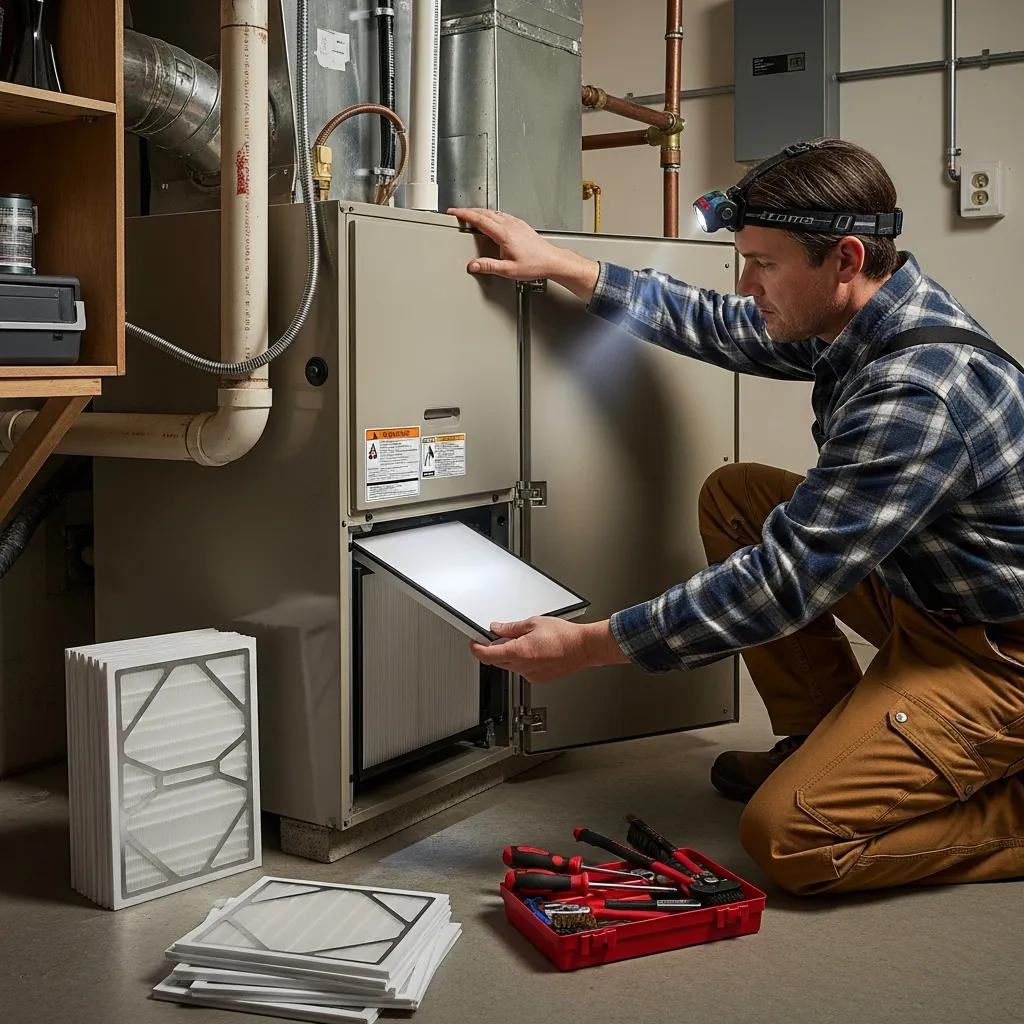
To maintain furnace efficiency and longevity, homeowners should follow these maintenance tips:
- Annual Professional Maintenance: Schedule regular inspections and tune-ups to keep the system running smoothly.
- Regular Filter Changes: Change air filters every 1-3 months to ensure optimal airflow and efficiency.
- Monitor for Signs of Wear: Be vigilant for unusual noises or performance issues, and address them promptly to prevent costly repairs.
By following these maintenance tips, homeowners can ensure their furnace operates efficiently for years to come.