Why Your Heating Bills Are Higher Than Your Neighbors': How to Lower Costs with Energy Efficient Heating Systems
Heating bills can vary significantly from one household to another, often leaving homeowners puzzled about why their costs are higher than their neighbors’. This article will explore the reasons behind these discrepancies and provide actionable strategies to lower your heating expenses through energy-efficient heating systems. Understanding the factors that contribute to higher heating bills is crucial for homeowners looking to save money and improve their home’s energy efficiency. We will discuss common causes of elevated heating costs, effective maintenance tips, and the benefits of upgrading to energy-efficient systems. By implementing these strategies, you can potentially reduce your heating bills and enhance your home’s comfort.
Research consistently highlights the importance of strategic approaches to optimize HVAC system performance and reduce energy consumption.
Cost-Effective HVAC Energy Reduction Strategies
The performance of HVAC systems can be improved through a cost-effective building operating strategy to reduce energy consumption. This strategy aims to optimize the heating, ventilating, and air conditioning (HVAC) system’s operation.
A cost‐effective operating strategy to reduce energy consumption in a
HVAC system, N Nassif, 2008
What Causes Higher Heating Bills Compared to Neighbors?
- HVAC Maintenance: Poorly maintained systems can operate inefficiently, leading to higher energy bills. Regular maintenance can improve efficiency and reduce costs.
- Energy-Efficient Upgrades: Homes without energy-efficient upgrades, such as high-efficiency furnaces or programmable thermostats, may incur higher heating costs compared to those that have made such investments.
- Air Sealing and Insulation: Lack of proper air sealing and insulation can lead to significant heat loss, increasing heating demands and costs.
- System Selection: An improperly sized or inefficient HVAC system can lead to higher energy consumption. Choosing the right system based on home size and heating needs is crucial.
- Thermostat Settings: Inefficient thermostat settings or lack of smart controls can result in unnecessary heating, contributing to higher bills.
- Home Characteristics: Factors such as home size, age, and insulation quality can also impact heating efficiency and costs.
These factors can lead to significant differences in heating bills between neighboring homes.
How Does Furnace Efficiency Impact Your Heating Costs?
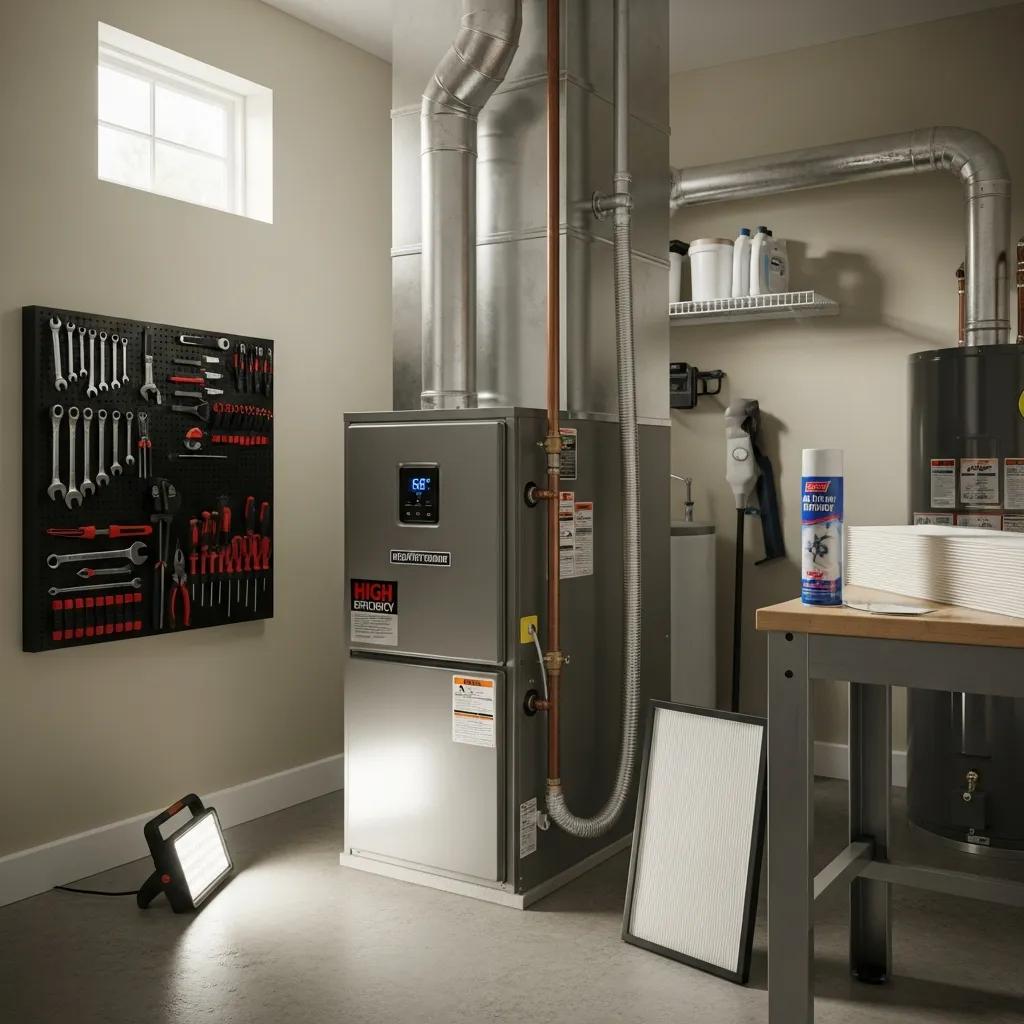
Furnace efficiency impacts heating costs significantly. Higher efficiency furnaces, such as those with an Annual Fuel Utilization Efficiency (AFUE) rating of 90% or above, convert more fuel into heat, resulting in lower fuel consumption and reduced heating costs. For example, upgrading from an 80% AFUE furnace to a 95% AFUE unit can lead to approximately 15-20% savings in fuel consumption for the same heat output. Additionally, well-maintained high-efficiency furnaces can reduce heating costs by up to 20% compared to older models. Therefore, investing in a more efficient furnace can lead to substantial savings on heating bills.
Indeed, the focus on improving furnace efficiency has been a long-standing goal in energy conservation efforts.
Energy Efficiency in Residential Furnaces
From the environmental policy maker’s point of view, the increase in energy prices has led to increased interest in energy conservation. In particular, increases in energy efficiency in industrial and residential furnaces have been a focus.
Energy Efficiency, fuel switching, and environmental emissions: the case of
High Efficiency Furnaces, YL Klein, 1992
What Role Does Local Climate in Porter County Play in Heating Expenses?
The local climate in Porter County significantly influences heating expenses. Colder winters require more heating, which can lead to higher energy bills. Homes in areas with extreme temperature fluctuations may also experience increased heating demands. Understanding the specific climate conditions can help homeowners make informed decisions about their heating systems and insulation needs, ultimately leading to more efficient energy use and cost savings.
Which Common Heating System Issues Lead to Increased Energy Bills?
- Dirty Air Filters: Clogged filters can restrict airflow, causing the system to work harder and consume more energy.
- Inefficient Thermostat Settings: Incorrect thermostat settings can lead to unnecessary heating or cooling, increasing energy usage.
- Poor Insulation and Air Sealing: Inadequate insulation and air leaks can result in heat loss, forcing the heating system to operate longer to maintain desired temperatures.
- Unusual Noises: Sounds indicating mechanical issues may suggest that the system is not operating efficiently, leading to higher energy consumption.
- Lack of Regular Maintenance: Neglecting routine maintenance can result in decreased efficiency and higher energy bills due to unresolved issues.
Addressing these issues through regular maintenance and proper system management can help reduce energy costs.
How Can Poor Furnace Maintenance Raise Your Heating Costs?
Poor furnace maintenance can raise heating costs by leading to energy inefficiencies and increased fuel consumption. A well-maintained system operates at peak efficiency, potentially reducing energy bills by up to 30%. Neglecting regular maintenance tasks, such as changing filters and cleaning coils, can result in a furnace that works harder to heat the home, thus consuming more energy and increasing costs. Additionally, failing to address minor issues can lead to more significant problems that require costly repairs, further driving up heating expenses.
When Should You Consider Heating System Repair or Replacement?
You should consider heating system repair or replacement if your system is not heating or cooling effectively, if you notice unusual noises, or if your energy bills are significantly higher than expected. Additionally, if your furnace is older and has a low Annual Fuel Utilization Efficiency (AFUE) rating, upgrading to a more efficient model could lead to substantial energy savings. Regular maintenance can also help identify potential issues before they escalate.
What Are Effective Furnace Maintenance Tips to Reduce Heating Bills?
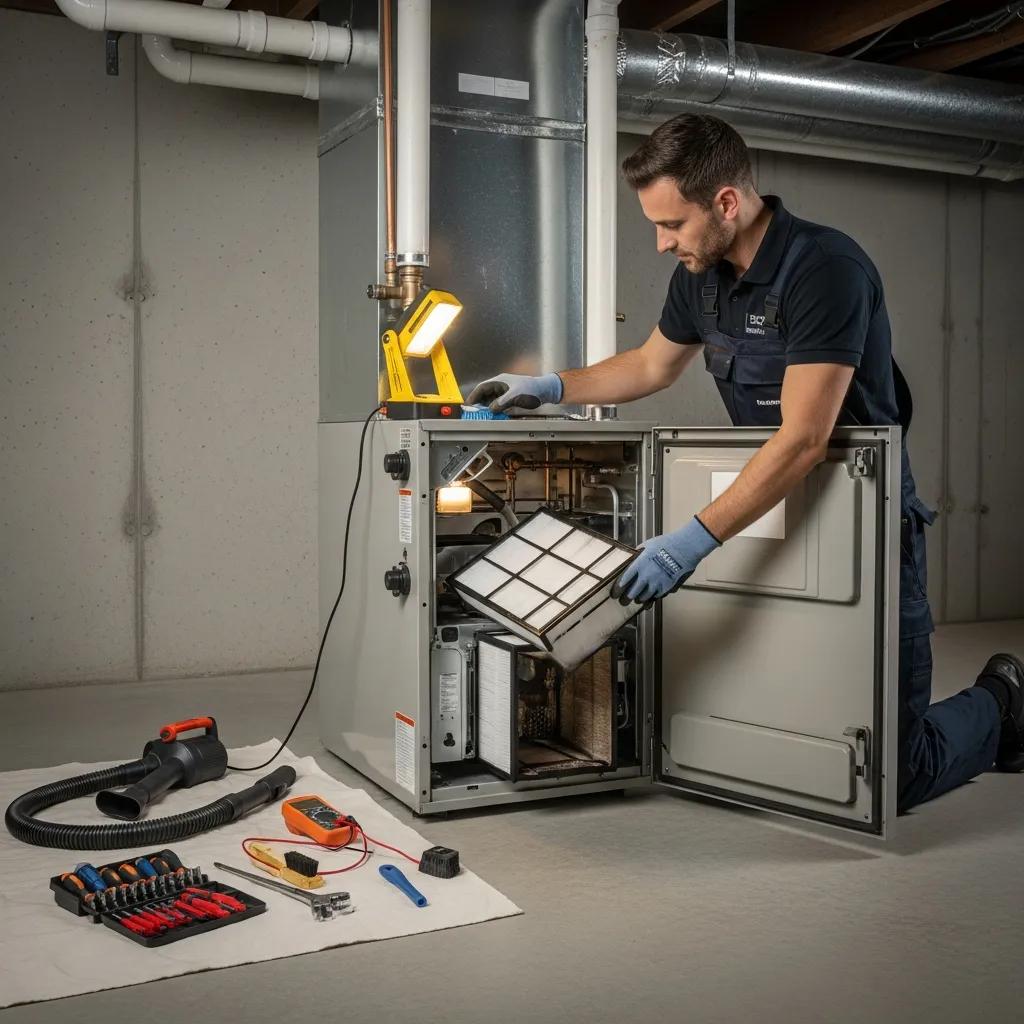
- Regular HVAC Maintenance: Schedule routine check-ups to identify potential issues early, which can prevent costly repairs and improve energy efficiency.
- Change Filters: Regularly change air filters to ensure optimal airflow and system performance.
- Clean Coils: Keep coils clean to enhance the efficiency of the heating system.
- Check Refrigerant Levels: Ensure refrigerant levels are adequate for optimal operation (applicable for heat pumps and HVAC systems that use refrigerant).
- Upgrade to High-Efficiency Furnaces: Consider upgrading to a high-efficiency furnace, which can reduce heating costs by up to 20% compared to older models.
- Install Programmable Thermostats: Use programmable thermostats to optimize heating schedules, further enhancing energy savings.
- Improve Insulation: Invest in better insulation to reduce heat loss and improve overall energy efficiency.
By implementing these tips, homeowners can significantly lower their heating bills.
Indeed, optimizing HVAC scheduling through techniques like programmable thermostats is a well-researched method for achieving significant energy and cost savings.
HVAC Scheduling for Energy & Cost Savings
This review focuses on heating, ventilation and air conditioning (HVAC) scheduling techniques for buildings towards energy-efficient and cost-effective operations. It examines the characteristics, as well as the energy and cost saving potential of various methods.
Review of HVAC scheduling techniques for buildings towards energy-efficient and cost-effective operations, H Selamat, 2013
How to Perform Regular Maintenance for Optimal Furnace Efficiency?
- Schedule routine check-ups to identify potential issues early.
- Change air filters regularly to ensure proper airflow.
- Clean coils and check refrigerant levels to enhance performance (for systems that use refrigerant).
- For condensing furnaces, periodically check the condensate trap and ensure the secondary heat exchanger is clean.
- Listen for unusual noises that may indicate problems needing attention.
These tasks can help maintain efficiency, extend the lifespan of the furnace, and potentially reduce energy bills.
What Are the Benefits of Professional HVAC Maintenance Services in Porter County?
- Longevity and Efficiency: Regular maintenance helps ensure the longevity and efficiency of heating and cooling systems.
- Cost Savings: A well-maintained system can operate at peak efficiency, potentially reducing energy bills by up to 30%.
- Early Issue Detection: Routine check-ups allow homeowners to identify potential issues before they escalate, preventing costly repairs.
- Enhanced Performance: Regular tasks like changing filters and cleaning coils can significantly enhance system performance and extend equipment lifespan.
How Can Energy Efficient Heating Systems Lower Your Monthly Bills?
Energy-efficient heating systems can lower your monthly bills by operating at peak efficiency, which can reduce energy bills by up to 30%. Upgrading to high-efficiency furnaces can cut heating costs by up to 20% compared to older models. Additionally, using programmable thermostats allows homeowners to optimize heating schedules, further enhancing energy savings. Proper insulation and air sealing also reduce heat loss, allowing heating systems to use less energy. Overall, these upgrades and practices lead to significant reductions in energy consumption and costs.
What Are the Advantages of ENERGY STAR Certified Furnaces?
- Higher Efficiency: ENERGY STAR certified furnaces typically have higher Annual Fuel Utilization Efficiency (AFUE) ratings, which means they convert a greater percentage of fuel into usable heat, leading to lower energy bills.
- Reduced Energy Consumption: By using less fuel for the same amount of heat, these furnaces contribute to significant energy savings, often reducing heating costs by up to 20% compared to older models.
- Lower Greenhouse Gas Emissions: Higher efficiency generally results in lower greenhouse gas emissions per unit of heat delivered, contributing to environmental sustainability.
- Potential for Incentives: Upgrading to an ENERGY STAR certified furnace may qualify homeowners for various government incentives, such as tax credits and rebates, making the initial investment more affordable.
- Enhanced Comfort: These furnaces often provide better heating performance and comfort in the home due to their efficient operation and advanced technology.
- Longer Lifespan: With proper maintenance, ENERGY STAR certified furnaces can have a longer operational lifespan, reducing the need for frequent replacements.
Overall, these benefits make ENERGY STAR certified furnaces a smart choice for homeowners looking to improve energy efficiency and reduce costs.
How Does Upgrading to a High-Efficiency Furnace Save Energy and Money?
Upgrading to a high-efficiency furnace can save energy and money by reducing heating costs by up to 20% compared to older models. This efficiency is achieved through advanced technology that optimizes fuel use, leading to lower energy consumption and, consequently, reduced energy bills. Additionally, pairing a high-efficiency furnace with a programmable thermostat can further enhance energy savings by allowing homeowners to optimize their heating schedules.
Why Your Heating Bills Outpace Neighbors: Energy-Efficient Solutions
Understanding typical heating system repair costs is essential for homeowners to budget effectively. Repair costs can vary based on the type of issue, the age of the system, and the specific components that need attention.
How Much Does Furnace Repair Usually Cost in Porter County?
In Porter County, the average cost of furnace repair typically ranges from $150 to $500, depending on the complexity of the issue. Common repairs, such as replacing a thermostat or fixing a pilot light, may cost less, while more extensive repairs, like replacing a heat exchanger, can be significantly higher.
When Is It More Cost-Effective to Replace Rather Than Repair Your Furnace?
It is more cost-effective to replace rather than repair your furnace when the repair costs are high relative to the age and efficiency of the furnace. Specifically, if your furnace has a low Annual Fuel Utilization Efficiency (AFUE) rating (below 80%) and is older, upgrading to a high-efficiency model (with an AFUE of 90-98%) can lead to significant savings on energy bills, potentially reducing heating costs by up to 20%. Additionally, if repairs are frequent and costly, or if the furnace is nearing the end of its expected lifespan, replacement may be the better financial decision.
How to Choose the Best HVAC Contractors in Porter County for Heating Cost Savings?
- Home Size and Needs: Assess your home’s size and specific heating requirements. Larger homes may need multi-zone systems, while smaller spaces might benefit from compact units.
- Professional Consultation: Consult with HVAC professionals to get tailored recommendations based on your individual heating and cooling needs.
- Energy-Efficient Upgrades: Look for contractors who offer high-efficiency furnaces, programmable thermostats, and insulation improvements, as these can significantly reduce heating costs.
- Maintenance Services: Choose contractors who provide regular maintenance services, as well-maintained systems can operate at peak efficiency, potentially reducing energy bills by up to 30%.
- Incentives and Rebates: Inquire about available government incentives and rebates for energy-efficient upgrades, which can help lower upfront costs.
By considering these factors, you can make an informed decision that maximizes comfort and minimizes heating costs.