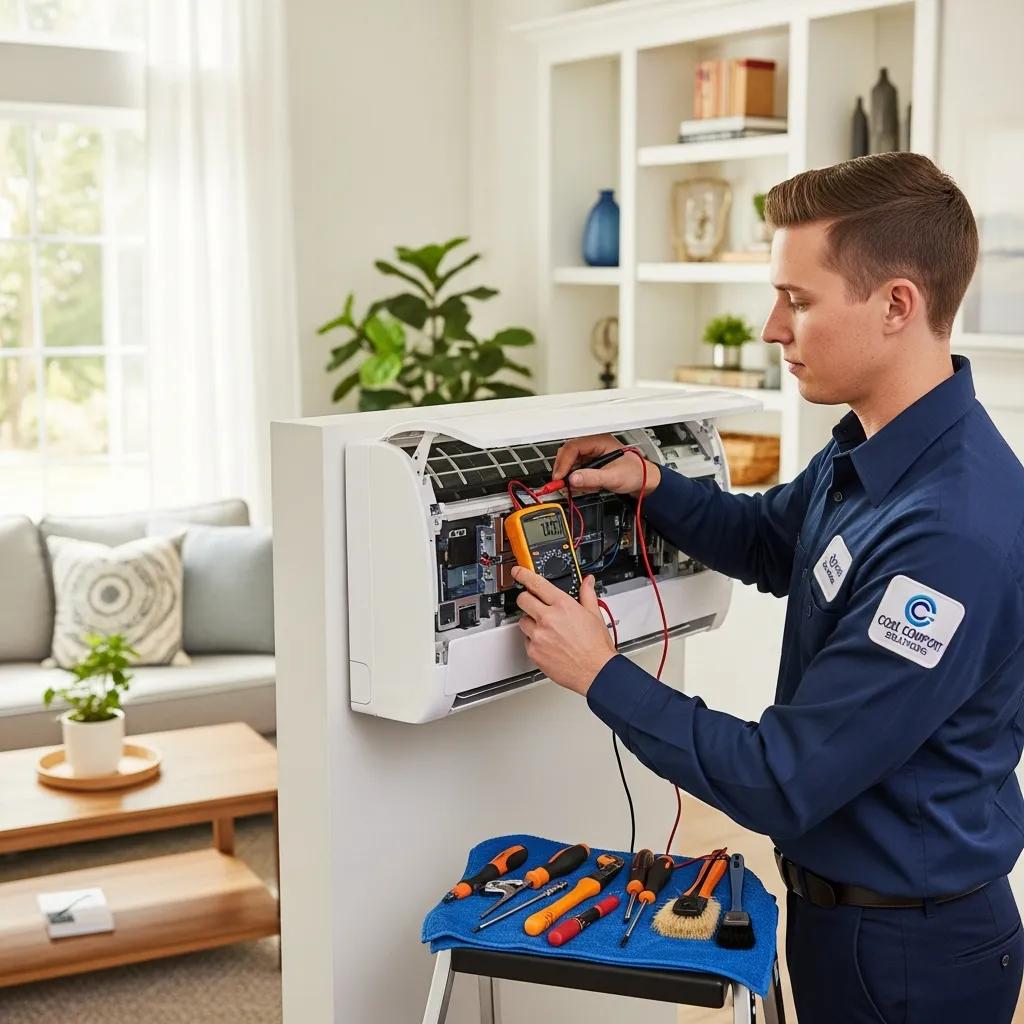
Why Your AC Will Fail When You Need It Most: Causes, Prevention, and Reliable Solutions
Your air conditioning (AC) system is essential for maintaining comfort during the hot summer months. However, many homeowners face unexpected AC failures when they need it most. This article explores the common causes of AC breakdowns, preventative measures to avoid these issues, and reliable solutions to ensure your system operates efficiently. By understanding the mechanisms behind AC failures, you can take proactive steps to maintain your system and avoid costly repairs. We will cover the most common causes of AC breakdowns, the importance of preventative maintenance, early warning signs of problems, and effective repair prevention strategies.
What Are the Most Common Causes of AC Breakdown?
AC breakdowns can occur due to various factors, often stemming from a lack of maintenance or unforeseen issues. Understanding these causes can help homeowners take preventative measures to avoid system failures.
- Dirty Air Filters: Clogged filters restrict airflow, leading to increased energy consumption and potential freezing of the evaporator coil or system strain.
- Refrigerant Leaks: Low refrigerant levels can cause the AC to work harder, resulting in inadequate cooling and potential compressor damage.
- Electrical Issues: Faulty wiring or electrical components can lead to system failures, often requiring professional intervention.
How Do Dirty Air Filters and Restricted Airflow Lead to AC Failure?
Dirty air filters significantly impact AC performance by restricting airflow. When filters are clogged, the system struggles to draw in air, leading to reduced cooling efficiency. This increased strain can cause the compressor to overheat or the evaporator coil to freeze, resulting in potential breakdowns. Regularly changing air filters is crucial for maintaining optimal airflow and energy efficiency.
What Role Do Refrigerant Leaks and Low Levels Play in AC Problems?
Refrigerant leaks and low levels can severely affect an AC system’s performance. When refrigerant is insufficient, the system cannot absorb heat effectively, leading to inadequate cooling. Homeowners may notice symptoms such as warm air blowing from vents or ice forming on the evaporator coils. Addressing refrigerant issues promptly is essential to prevent further damage to the system.
How Can Preventative AC Maintenance Help Avoid Unexpected Failures?
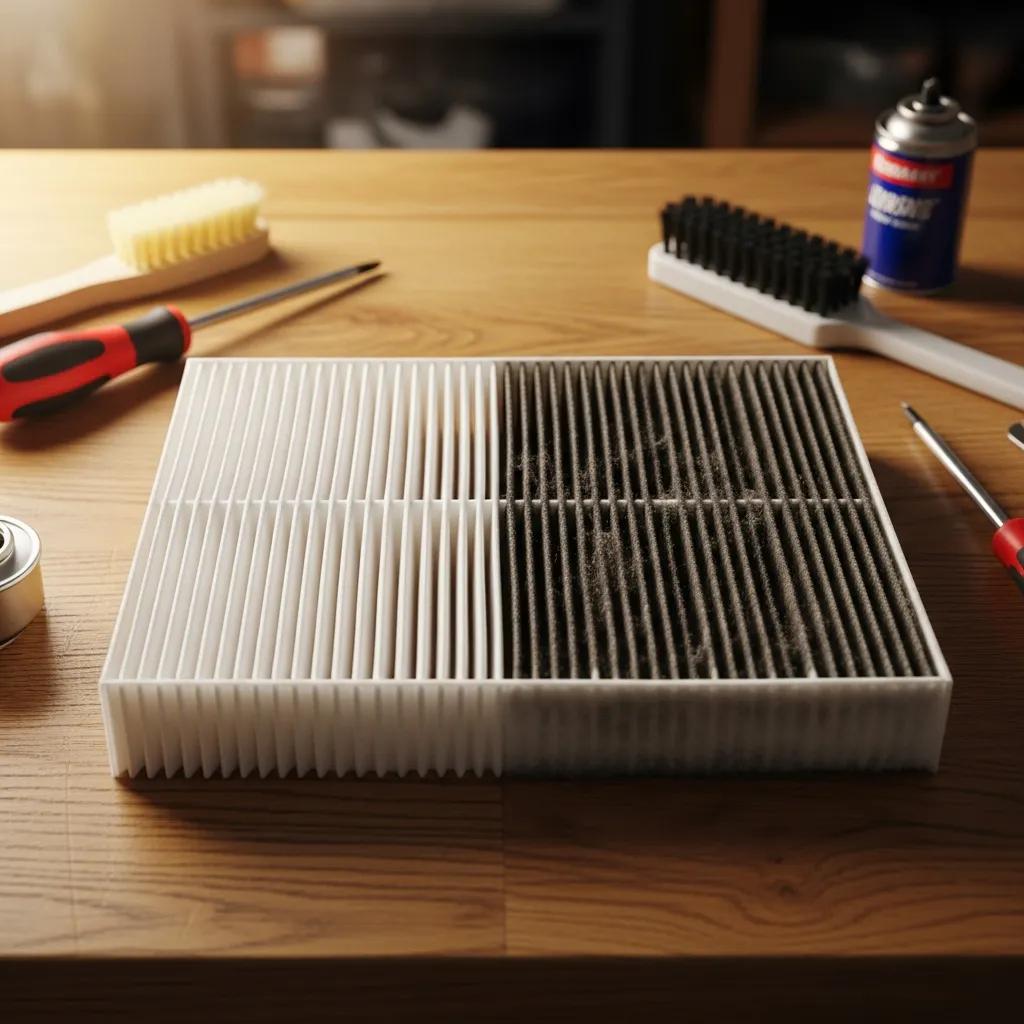
Preventative AC maintenance is vital for identifying potential issues before they escalate into costly repairs. Regular check-ups allow homeowners to detect problems early, ensuring the system operates efficiently and effectively.
Indeed, advanced methods like fault detection and diagnosis are crucial for identifying and addressing AC issues before they lead to complete system failures.
AC Fault Detection: Preventing Operational Failures
occupant comfort and causing complete operational failures. Fault detection and diagnosis (FDD) methods assist technicians in discovering and locating faults as early as possible,
Performance benchmarking of residential air conditioning systems using smart thermostat data, F Guo, 2023
- Early Detection of Issues: Routine maintenance helps identify minor problems before they become major failures.
- Cost Savings on Repairs: Preventative care can reduce the likelihood of expensive emergency repairs.
- Improved Energy Efficiency: Regular maintenance tasks, such as cleaning coils and changing filters, enhance system performance and reduce energy consumption.
What Are Essential DIY AC Maintenance Tips for Homeowners?
Essential DIY AC maintenance tips for homeowners include:
- Change Filters Regularly: Ensure air filters are clean to maintain airflow and efficiency.
- Clean Coils: Regularly clean the evaporator and condenser coils to enhance performance.
- Check Refrigerant Levels: While homeowners cannot legally add refrigerant themselves, monitoring for signs of low refrigerant and scheduling professional checks is important.
- Inspect Thermostat Settings: Ensure the thermostat is set correctly for effective heating and cooling.
- Listen for Unusual Noises: Pay attention to any strange sounds that may indicate a problem needing attention.
These tasks can help improve the efficiency and lifespan of your AC system.
Why Is Regular Professional AC Tune-Up Critical for System Reliability?
Regular professional AC tune-ups are critical for system reliability because they help identify potential issues before they escalate, which can lead to costly repairs and energy inefficiencies. Routine maintenance tasks, such as changing filters and cleaning coils, enhance performance and extend the lifespan of HVAC equipment. A well-maintained system can operate at peak efficiency, potentially reducing energy bills by 15-30%, depending on the system and usage.
What Are the Early Warning Signs of AC Problems to Watch For?
Recognizing early warning signs of AC problems can help homeowners address issues before they lead to system failures.
- Strange Noises: Unusual sounds, such as grinding or squealing, can indicate mechanical issues that require immediate attention.
- Reduced Cooling: If the system is not cooling effectively, it may be a sign of refrigerant leaks or airflow restrictions.
- Increased Energy Bills: A sudden spike in energy costs can indicate that the AC system is working harder than usual due to underlying issues.
How to Recognize Symptoms Like Strange Noises and Reduced Cooling?
To recognize symptoms like strange noises and reduced cooling in your HVAC system, homeowners should listen for unusual sounds, which can indicate problems that require immediate attention. Additionally, if the system is not cooling effectively, checking the thermostat settings and ensuring that air filters are clean can often resolve the issue. Regular maintenance and troubleshooting can help identify these symptoms early and prevent further damage.
When Should You Call a Professional HVAC Technician for Repairs?
You should call a professional HVAC technician for repairs when your HVAC system fails, when you notice unusual noises, or if your system is not heating or cooling effectively despite basic troubleshooting. Regular maintenance can help identify potential issues before they escalate, but if problems persist, professional help is necessary to prevent further damage.
How Does Seasonal AC Tune-Up Improve Performance and Energy Efficiency?
A seasonal AC tune-up improves performance and energy efficiency by ensuring that the system operates at peak efficiency. Regular maintenance tasks, such as changing filters, cleaning coils, and checking refrigerant levels, can significantly enhance the system’s performance and potentially reduce energy bills by 15-30%. By identifying and addressing potential issues before they escalate, homeowners can avoid costly repairs and energy inefficiencies, ultimately extending the lifespan of their HVAC equipment.
What Does a Comprehensive Seasonal Maintenance Checklist Include?
A comprehensive seasonal maintenance checklist includes the following tasks:
- Inspect and Clean Coils: Ensure both evaporator and condenser coils are clean to maximize heat exchange.
- Check Refrigerant Levels: Verify that refrigerant levels are adequate for optimal cooling performance.
- Test Thermostat Accuracy: Ensure the thermostat is functioning correctly and accurately reflects the desired temperature.
- Inspect Ductwork: Check for leaks or blockages in ductwork that could impede airflow.
- Lubricate Moving Parts: Apply lubricant to motors and bearings to reduce friction and wear.
These tasks are essential for maintaining system efficiency and preventing unexpected breakdowns.
How Can Smart Thermostats Optimize Your AC Usage and Prevent Failures?
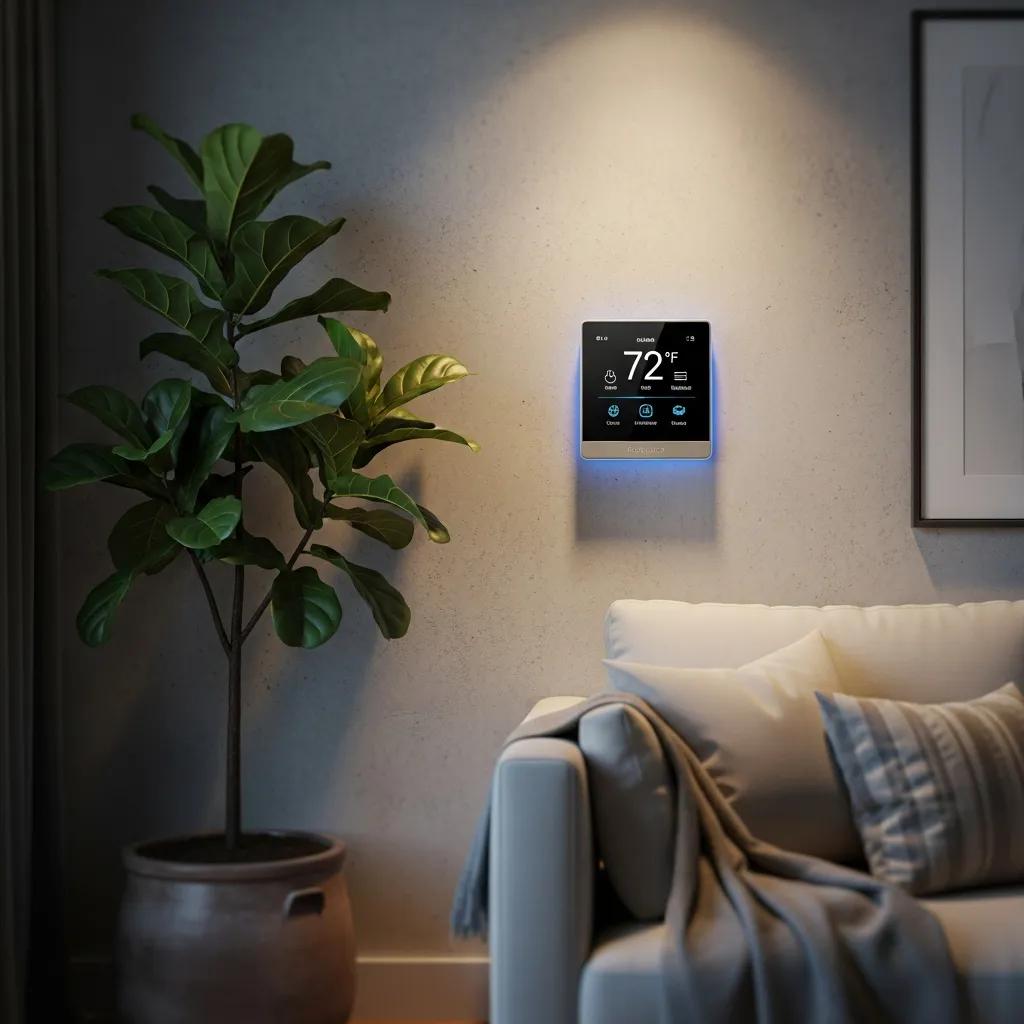
Smart thermostats optimize AC usage and prevent failures through several key features:
- Learning Algorithms: They adapt schedules and temperatures based on historical occupancy and behavior, reducing unnecessary runtime.
- Geofencing: Automatically adjusts setpoints when occupants leave or return, minimizing wasted energy.
- Remote Monitoring and App Control: Allows users to make quick adjustments and monitor energy use from anywhere, increasing awareness and enabling timely corrections.
- Zoning and Multi-Stage System Compatibility: Heats or cools only the necessary areas, lowering overall energy consumption.
These features contribute to energy savings and improved comfort, while also facilitating proactive maintenance and performance diagnostics, which can help prevent system failures.
Further enhancing these capabilities, the integration of machine learning algorithms offers a transformative approach to predictive maintenance in HVAC systems.
Predictive Maintenance for HVAC: ML for Reliability & Efficiency
This comprehensive research endeavors to explore the integration of machine learning algorithms as a transformative solution for predictive maintenance in Heating, Ventilation, and Air Conditioning (HVAC) systems. By predicting maintenance needs, these algorithms play a pivotal role in ensuring system reliability, optimizing energy efficiency, and contributing to substantial cost savings.
Machine learning algorithms for predictive maintenance in HVAC systems, 2023
What AC Repair Prevention Strategies Are Recommended for Northwest Indiana Homeowners?
The recommended AC repair prevention strategies for Northwest Indiana homeowners include:
- Regular HVAC Maintenance: Schedule routine check-ups to identify potential issues before they escalate, which can lead to costly repairs and energy inefficiencies.
- Change Filters and Clean Coils: Regularly changing air filters and cleaning coils can significantly enhance performance and extend the lifespan of HVAC equipment.
- Check Refrigerant Levels: Ensuring proper refrigerant levels is crucial for efficient operation.
- Basic Troubleshooting: Homeowners should check thermostat settings and clean air filters if the system is not heating or cooling effectively.
- Air Sealing: Target common leakage points in the home to reduce uncontrolled ventilation and lower heating and cooling bills.
- Invest in Energy-Efficient Upgrades: Consider high-efficiency furnaces, programmable thermostats, and improved insulation to lower energy consumption and costs.
- Smart Home Solutions: Utilize smart thermostats and zoning systems to optimize energy use and maintain comfort efficiently.
These strategies can help maintain the efficiency and longevity of HVAC systems.
How Does Furnace Exchange LLC Support Reliable AC Service and Maintenance?
Furnace Exchange LLC supports reliable AC service and maintenance by emphasizing the importance of regular HVAC maintenance, which helps ensure the longevity and efficiency of heating and cooling systems. They recommend scheduling routine check-ups to identify potential issues early, which can prevent costly repairs and improve energy efficiency. Regular maintenance tasks, such as changing filters and cleaning coils, are highlighted as essential for enhancing performance and extending the lifespan of HVAC equipment. Additionally, they provide troubleshooting tips for common HVAC issues, empowering homeowners to address minor problems before seeking professional help.
What Financing and Maintenance Plans Are Available to Protect Your Investment?
The available financing and maintenance plans to protect your investment include:
- Regular HVAC Maintenance: Scheduling routine check-ups to identify potential issues early, which can lead to cost savings and improved efficiency.
- Energy-Efficient Upgrades: Investing in high-efficiency furnaces, programmable thermostats, and improved insulation to lower energy consumption and costs.
- Government Incentives: In 2024 and beyond, incentives may include federal tax credits, state or provincial rebates, and utility point-of-sale incentives for heat pumps, geothermal systems, and envelope upgrades.
- Low-Interest Financing / PACE: Options for whole-home upgrades that allow costs to be spread over time through property-tied financing or utility programs.
These plans aim to enhance system performance, reduce energy bills, and make upgrades more affordable.