Why Portage Homes Struggle With Furnace Failures During Cold Snaps: Essential Insights and Solutions
As winter approaches, homeowners in Portage, Indiana, face the daunting challenge of ensuring their heating systems are reliable during cold snaps. Furnace failures can lead to uncomfortable living conditions and costly repairs. This article will explore the reasons behind furnace failures in Portage homes during extreme cold, provide troubleshooting tips for homeowners, and discuss preventative measures to avoid breakdowns. Understanding these factors is crucial for maintaining a warm and safe home environment. We will also highlight when to seek professional help and the importance of regular maintenance.
What Causes Furnace Failures in Portage Homes During Cold Weather?
Furnace failures during cold weather can be attributed to several factors that increase stress on HVAC systems. Cold snaps lead to longer run times for furnaces, which can exacerbate existing weaknesses in the system. Additionally, common issues such as dirty air filters and electrical problems can arise, particularly when maintenance is neglected. Understanding these causes is essential for homeowners to mitigate risks and ensure their heating systems function effectively.
How Do Cold Snaps Increase Stress on HVAC Systems?
Cold snaps significantly increase the demand on HVAC systems, leading to longer run times. As temperatures plummet, furnaces must work harder to maintain a comfortable indoor environment. This increased workload can reveal existing weaknesses in the system, such as worn-out components or inadequate maintenance. Homeowners may notice that their furnaces are running continuously, which can lead to overheating and potential failures if not addressed promptly.
What Are the Most Common Furnace Problems in Winter?
During winter, several common furnace problems can arise, including:
- Dirty Air Filters: Clogged filters restrict airflow, causing the furnace to work harder and potentially overheat.
- Ignition System Failures: Issues with the ignition system can prevent the furnace from starting, leaving homes without heat.
- Electrical Issues: Faulty wiring or tripped circuit breakers can disrupt the furnace‘s operation, leading to unexpected breakdowns.
Recognizing these issues early can help homeowners take proactive measures to avoid complete system failures.
How Can Homeowners Troubleshoot Furnace Issues During Cold Snaps?
Homeowners can take several immediate steps to troubleshoot furnace issues during cold snaps. These checks can help identify problems before they escalate into costly repairs.
What Immediate Checks Can You Perform on Your Furnace?
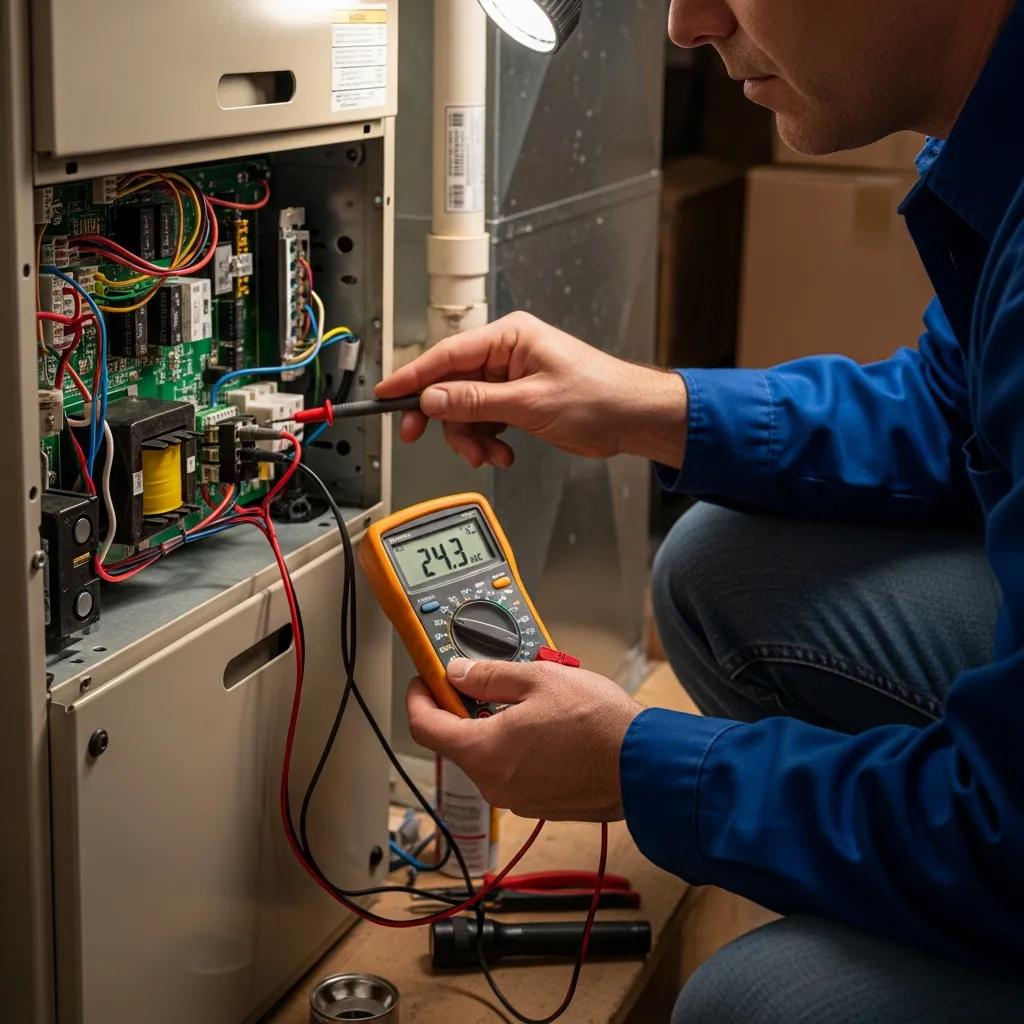
When experiencing furnace issues, homeowners should perform the following checks:
- Check Thermostat Settings: Ensure the thermostat is set to the desired temperature and is functioning correctly.
- Inspect Power Supply: Verify that the furnace is receiving power and that circuit breakers are not tripped.
- Look for Visible Issues: Check for any unusual noises or smells that may indicate a problem.
These simple checks can often resolve minor issues without the need for professional intervention.
How to Safely Inspect Thermostat, Power Supply, and Air Filters?
To safely inspect your furnace components, follow these guidelines:
- Turn Off Power Before Inspection: Always ensure the furnace is powered down to avoid electrical hazards.
- Use Proper Tools: Utilize appropriate tools for inspection, such as screwdrivers and multimeters.
- Know What to Look For: Familiarize yourself with common signs of wear or malfunction, such as frayed wires or dirty filters.
By following these safety precautions, homeowners can effectively troubleshoot their heating systems.
When Should You Call for Emergency Furnace Repair in Portage, Indiana?
Recognizing when to call for emergency furnace repair is crucial for maintaining a safe home environment. Certain warning signs indicate that professional help is needed.
What Are the Warning Signs of Serious Furnace Failures?
Homeowners should be alert to the following warning signs of serious furnace failures:
- Unusual Noises: Grinding or banging sounds can indicate mechanical issues within the furnace.
- Inconsistent Heating: If some rooms are warm while others are cold, it may signal a problem with the system.
- Foul Odors: Strange smells, particularly gas odors, should be addressed immediately as they can indicate dangerous leaks.
If any of these signs are present, it is essential to contact a professional for emergency repairs.
How Does Carbon Monoxide Risk Affect Emergency Decisions?
Carbon monoxide (CO) is a colorless, odorless gas that can be produced by malfunctioning furnaces. Symptoms of carbon monoxide poisoning include headaches, dizziness, and nausea. Homeowners should ensure that CO detectors are installed and functioning. If CO is suspected, evacuate the premises immediately and call for emergency assistance. The risk of carbon monoxide exposure makes it imperative to act quickly when furnace issues arise.
Why Furnace Failures Spike in Portage Homes During Cold Snaps
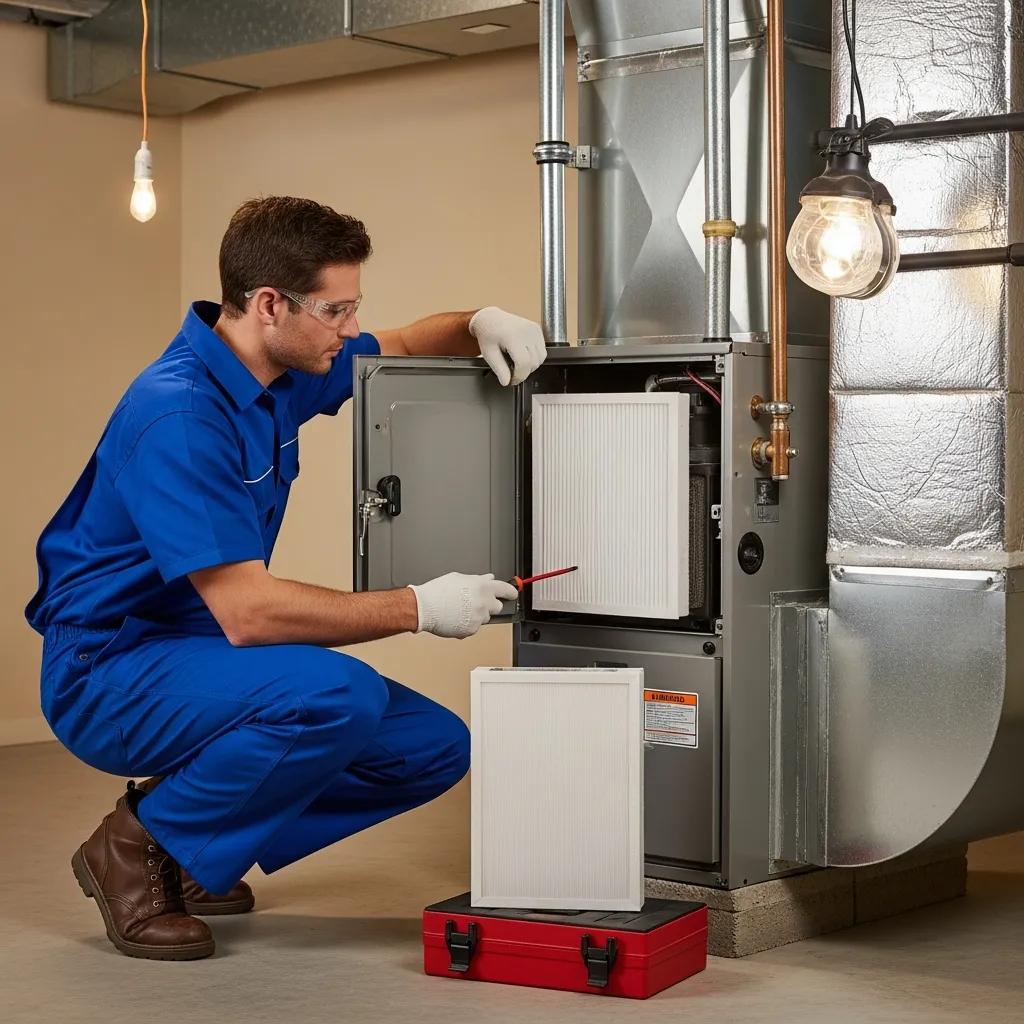
Preventative maintenance is key to avoiding furnace breakdowns during cold weather. Homeowners can take several steps to ensure their heating systems remain reliable.
Why Is Annual Maintenance Crucial for Portage Homes?
Annual maintenance is essential for several reasons:
- Prevents Unexpected Breakdowns: Regular inspections can identify potential issues before they lead to failures.
- Extends the Lifespan of the Furnace: Proper maintenance can prolong the life of the heating system, saving homeowners money in the long run.
Investing in annual maintenance can significantly enhance the reliability of heating systems during the harsh winter months.
Further emphasizing the importance of proactive care, research highlights the broader implications of effective heating system maintenance in urban environments.
Urban Heating System Maintenance Analysis
The directions of the enhancement of the processes of the heating systems maintenance in the modern urban environment in its constant development are considered in the article. The author determines the directions of the technical-and-economic analysis of the maintenance of this type of facilities in the urban environment, which will allow filling the gap between the level of maintenance properties of the heating systems, demanded in the modern conditions, and the actual level.
Technical-and-economic aspects of the analysis of the heating systems maintenance in the conditions of urban environment, 2017
How Do Regular Filter Changes and Home Insulation Improve Furnace Reliability?
Regular filter changes and proper home insulation play a vital role in furnace reliability. Clean filters improve airflow, allowing the furnace to operate efficiently. Additionally, adequate insulation reduces heat loss, enabling the system to maintain desired temperatures without overworking. Homeowners should aim to change filters every 1-3 months depending on usage and filter type, and ensure their homes are well-insulated to support their heating systems.
| Preventative Measure | Description | Benefit |
|---|---|---|
| Annual Maintenance | Regular inspections and servicing | Prevents breakdowns and extends lifespan |
| Filter Changes | Replacing dirty filters regularly | Improves airflow and efficiency |
| Home Insulation | Ensuring proper insulation throughout the home | Reduces heat loss and workload on the furnace |
This table highlights the importance of preventative measures in maintaining furnace reliability during cold weather.
By understanding the causes of furnace failures and implementing effective troubleshooting and preventative strategies, homeowners in Portage can ensure their heating systems remain functional and efficient throughout the winter months. For those needing assistance, Furnace Exchange LLC offers reliable HVAC services, including installation, repair, and maintenance, to keep your home warm and comfortable.
Frequently Asked Questions
What should I do if my furnace is blowing cold air?
If your furnace is blowing cold air, first check the thermostat settings to ensure it is set to “heat” and the desired temperature. Next, inspect the air filters; a clogged filter can restrict airflow and cause the furnace to malfunction. Additionally, verify that the power supply is intact and that circuit breakers are not tripped. If these steps do not resolve the issue, it may be time to call a professional for further diagnosis and repair.
How can I improve my furnace's energy efficiency?
Improving your furnace‘s energy efficiency can be achieved through several methods. Regular maintenance, including annual inspections and filter changes, ensures optimal performance. Additionally, sealing any drafts in your home and improving insulation can reduce heat loss, allowing your furnace to operate more efficiently. Consider upgrading to a programmable thermostat to better manage heating schedules, which can also lead to energy savings over time.
What is the average lifespan of a furnace?
The average lifespan of a furnace typically ranges from 15 to 30 years, depending on the type and how well it has been maintained. Gas furnaces generally last longer than electric ones. Regular maintenance, including annual inspections and timely repairs, can significantly extend the life of your heating system. If your furnace is approaching the end of its expected lifespan and requires frequent repairs, it may be time to consider a replacement.
How often should I change my furnace filter?
Furnace filters should generally be changed every 1 to 3 months, depending on usage and the type of filter. If you have pets or allergies, more frequent changes may be necessary to maintain good air quality and system efficiency. Regularly checking the filter for dirt and debris can help you determine the best schedule for your specific situation, ensuring your furnace operates smoothly and efficiently.
What are the benefits of installing a carbon monoxide detector?
Installing a carbon monoxide (CO) detector is crucial for safety, especially in homes with gas furnaces. CO is a colorless, odorless gas that can be deadly in high concentrations. A CO detector alerts you to dangerous levels of this gas, allowing for timely evacuation and emergency response. Regularly testing and maintaining your CO detectors ensures they function properly, providing peace of mind and enhancing home safety.
Can I perform furnace maintenance myself?
While some basic maintenance tasks can be performed by homeowners, such as changing filters and checking thermostat settings, more complex tasks should be left to professionals. DIY maintenance can help keep your furnace running efficiently, but safety is paramount. Always turn off power before inspecting components, and if you encounter issues beyond your expertise, it’s best to contact a qualified HVAC technician to avoid potential hazards or further damage.
Conclusion
Understanding the causes of furnace failures and implementing effective troubleshooting and preventative strategies can significantly enhance the reliability of heating systems in Portage homes during winter. Regular maintenance, timely repairs, and proper insulation are essential for ensuring a warm and comfortable living environment. For homeowners seeking expert assistance, Furnace Exchange LLC provides reliable HVAC services tailored to meet your needs. Take the proactive step today to safeguard your home’s heating system and ensure your comfort this winter.