2026 Winter Tips to Cut NIPSCO Heating Costs in Northwest Indiana
As 2026 begins, many Northwest Indiana homeowners face higher heating costs. This guide offers practical billing tips and energy-saving steps — from HVAC maintenance and efficient furnaces to smart thermostats and simple home fixes — to help lower bills and keep your home comfortable all winter.
How Can Regular HVAC Maintenance Reduce Your 2026 Heating Bills?
Regular
HVAC maintenance keeps systems running efficiently and can cut energy use and repair bills. Routine checks catch small issues early and help extend equipment life.
The energy consumption of HVAC systems is a major contributor to overall building energy use, so efficiency matters.
HVAC Systems: Key to Building Energy Efficiency
Heating, ventilation and air-conditioning (HVAC) systems account for approximately half of all energy usage in the operational phase of a building’s lifecycle.
Improving energy efficiency of HVAC systems in buildings: a review of best practices, 2022
What Are the Essential Furnace Maintenance Tasks for Winter Efficiency?
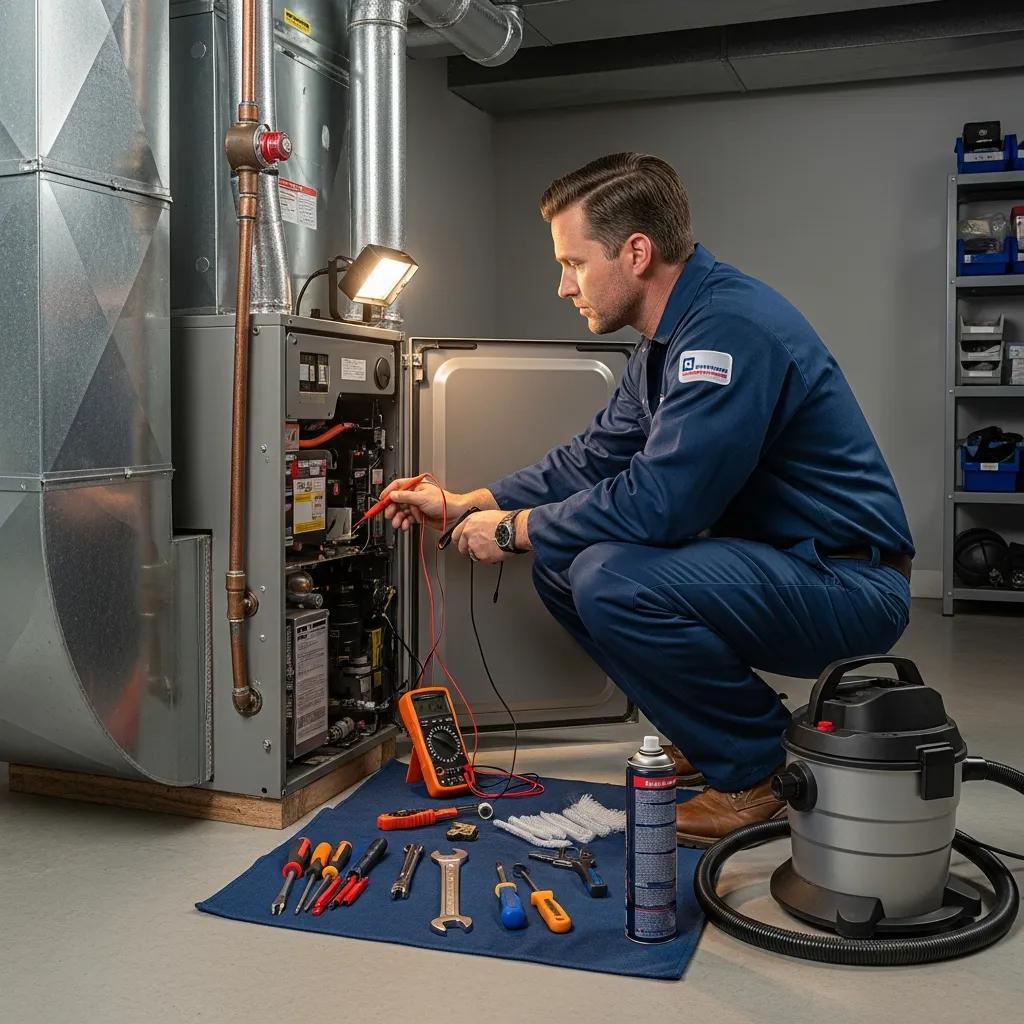
Key winter maintenance helps keep furnaces efficient and reliable.
- Changing Filters
: Replace filters on schedule to keep airflow strong and reduce strain.
- Cleaning Ducts
: Remove debris to prevent blockages and improve circulation.
- Checking Thermostat Settings
: Verify controls and schedules to avoid wasted heating.
When Should Northwest Indiana Homeowners Schedule Professional HVAC Tune-Ups?
Schedule a professional tune-up at least once a year, preferably before winter. A pre-winter inspection prepares the system for colder weather, reduces breakdown risk, and maintains peak efficiency.
What Are the Benefits of Upgrading to an Energy-Efficient Furnace in 2026?
An energy-efficient furnace uses less fuel for the same comfort, lowering bills and cutting environmental impact over time.
How Do AFUE and SEER Ratings Impact Your Heating Savings?
AFUE (Annual Fuel Utilization Efficiency) shows how well a furnace converts fuel to heat; higher AFUE means lower fuel use. SEER applies to cooling efficiency. Choosing high-rated equipment reduces overall energy use.
Which York, Guardian, and Bosch Furnaces Offer the Best Energy Savings?
Reputable brands such as York, Guardian, and Bosch offer high-efficiency models. Compare AFUE ratings, warranties, and installation quality to find the best fit for your home and budget.
How Can Smart Thermostats Help You Save on Heating Costs in 2026?
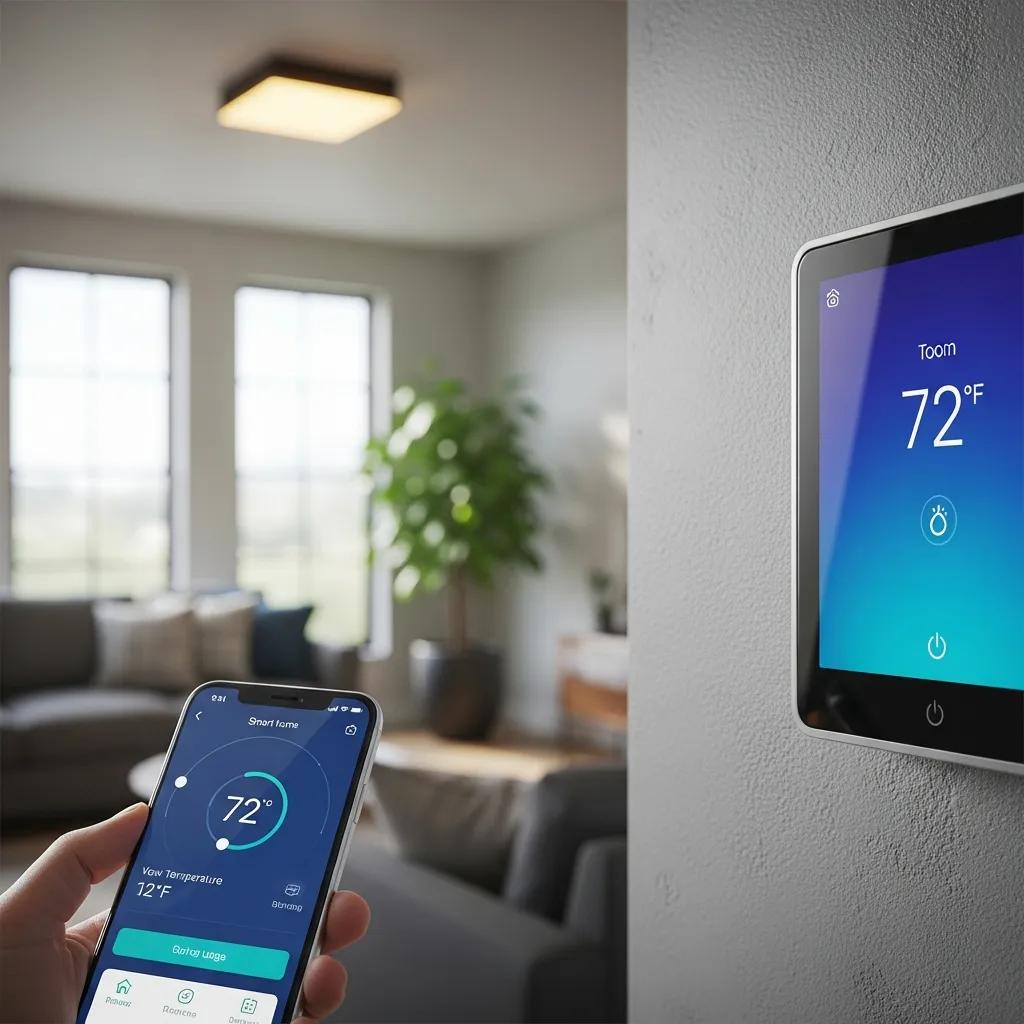
Smart thermostats provide precise control and scheduling so you heat only when needed, which cuts unnecessary consumption.
What Are the Best Practices for Using Programmable and Smart Thermostats?
- Setting Schedules
: Lower setpoints at night or when the house is empty.
- Utilizing Energy-Saving Modes
: Enable eco modes and setback features.
- Monitoring Usage
: Review reports and tweak schedules to improve savings.
Are There Rebates or Incentives for Smart Thermostat Installation in Indiana?
Indiana homeowners may qualify for rebates from local utilities. Check with NIPSCO and other providers for current programs and eligibility.
What Home Improvements Can Lower Your Heating Bills This Winter?
Targeted home upgrades — insulation, air sealing, and small weatherproofing projects — reduce heat loss and lower heating demand.
How Does Proper Insulation and Air Sealing Reduce Heat Loss?
Insulation slows heat transfer through walls, ceilings, and floors. Air sealing stops drafts so warm air stays inside, together producing noticeable energy savings.
What DIY Tips Can Help Seal Air Leaks and Improve Energy Efficiency?
- Weatherstripping
: Install around doors and windows to block drafts.
- Caulking
: Seal gaps and cracks, especially around frames.
- Insulating Outlets
: Add foam gaskets behind outlets and switch plates.
These straightforward steps help tighten the building envelope and reduce heating costs.
| Furnace Model | AFUE Rating | Estimated Annual Savings |
|---|---|---|
| York Affinity | 98% | $400 – $500 |
| Guardian Eco | 95% | $350 – $450 |
| Bosch Greenstar | 95% – 96% | $400 – $475 |
Table: example savings for high-AFUE furnaces — a useful comparison when choosing a replacement.
Adopting targeted maintenance, efficient equipment, smart controls, and modest home upgrades can noticeably reduce heating expenses in 2026.
Frequently Asked Questions
What are the signs that my HVAC system needs maintenance?
Look for unusual noises, uneven temperatures, higher energy bills, poor airflow, frequent cycling, or odd smells. These signs warrant a professional inspection.
How can I improve my home's insulation without professional help?
Add attic insulation, seal gaps, use weatherstripping on doors and windows, and insulate exposed pipes or the water heater to reduce heat loss.
What is the average lifespan of a furnace, and when should I consider replacing it?
Furnaces commonly last 15–30 years. Consider replacement if your unit is older, needs frequent repairs, or shows declining efficiency.
Are there specific energy-saving tips for renters in Northwest Indiana?
Renters can use heavy curtains, seal windows, use zonal heating (space heaters) safely, and ask landlords about upgrades like better insulation or efficient appliances.
How do I choose the right smart thermostat for my home?
Choose a model compatible with your HVAC system that offers scheduling, remote control, and energy reports. Look for available rebates to offset cost.
What are the environmental benefits of upgrading to an energy-efficient furnace?
Efficient furnaces use less fuel, lower greenhouse gas emissions, and shrink your household carbon footprint while reducing heating costs.
Conclusion
By combining regular maintenance, efficient equipment, smart controls, and basic home improvements, homeowners in Northwest Indiana can reduce heating bills in 2026 while improving comfort and sustainability. Start with a tune-up, check rebates, and prioritize high-impact changes for the best savings.