Comprehensive Guide to Air Heating Cooling Systems: Energy Efficient HVAC Solutions and Installation
Air heating and cooling systems, commonly referred to as HVAC systems, play a crucial role in maintaining comfortable indoor environments. These systems not only regulate temperature but also improve air quality and energy efficiency. In this comprehensive guide, we will explore the various types of HVAC systems, their mechanisms, and the benefits they offer. Many homeowners and businesses face challenges in selecting the right system that balances comfort and energy savings. This article aims to provide insights into how different HVAC solutions can meet these needs effectively. We will cover essential topics, including heat pumps, ductless mini-split systems, energy efficiency, and maintenance practices, ensuring you have a well-rounded understanding of air heating and cooling systems.
Indeed, the importance of energy-efficient HVAC solutions is underscored by their significant impact on overall energy consumption, particularly in larger structures.
Energy Efficient HVAC Design for Commercial Buildings
Because HVAC systems are the single biggest consumer of electricity within a commercial building, an innovative and energy efficient air conditioning system would
Influences of green star rating tool on HVAC system design, 2009
What Are the Main Types of HVAC Systems for Air Heating and Cooling?
There are several types of HVAC systems designed to provide efficient heating and cooling solutions. Understanding these systems is essential for making informed decisions about installation and maintenance.
- Central Air Conditioning Systems: These systems use a network of ducts to distribute cooled air throughout a building. They are effective for larger spaces and provide consistent temperature control.
- Heat Pumps: Heat pumps can both heat and cool spaces by transferring heat from one place to another. They are known for their energy efficiency and can significantly reduce energy costs.
- Ductless Mini-Split Systems: These systems consist of an outdoor compressor and one or more indoor air-handling units. They are ideal for homes without ductwork and offer zoned temperature control.
- Window Units: These are self-contained air conditioning units that can be installed in windows. They are suitable for cooling single rooms and are often more affordable than central systems.
Understanding the various HVAC systems available allows homeowners to choose the best option for their specific needs and budget.
How Do Heat Pumps Provide Both Heating and Cooling?
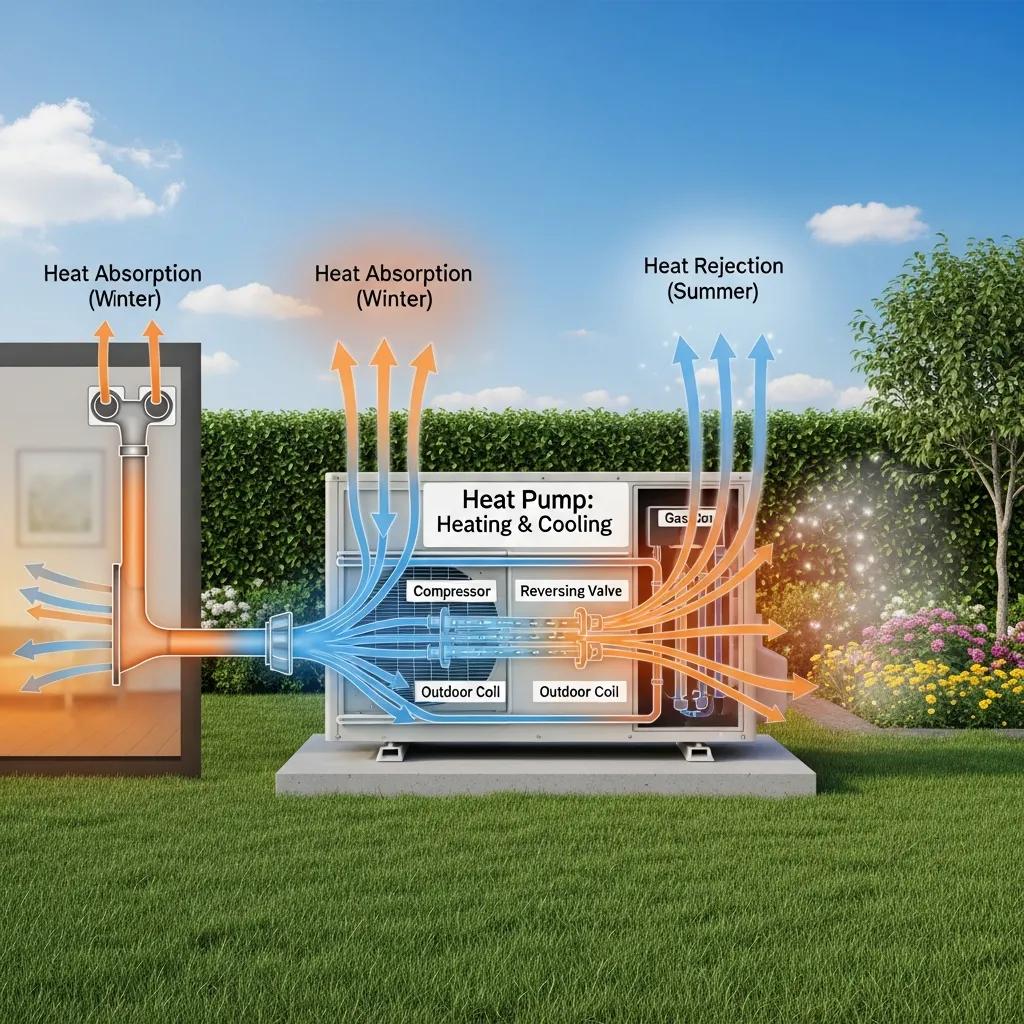
Heat pumps operate on the principle of heat transfer, utilizing a refrigeration cycle to move heat from one location to another. In heating mode, they extract heat from the outside air and transfer it indoors, while in cooling mode, they reverse the process, removing heat from the indoor air and releasing it outside. This dual functionality makes heat pumps an energy-efficient choice for year-round climate control.
Heat pumps are particularly effective in moderate climates, where they can provide significant energy savings compared to traditional heating systems. Their ability to maintain comfortable indoor temperatures while consuming less energy is a key advantage. For those considering installation, it is essential to work with professionals who understand the specific requirements and best practices for heat pump systems.
What Are the Benefits of Ductless Mini Split Systems?
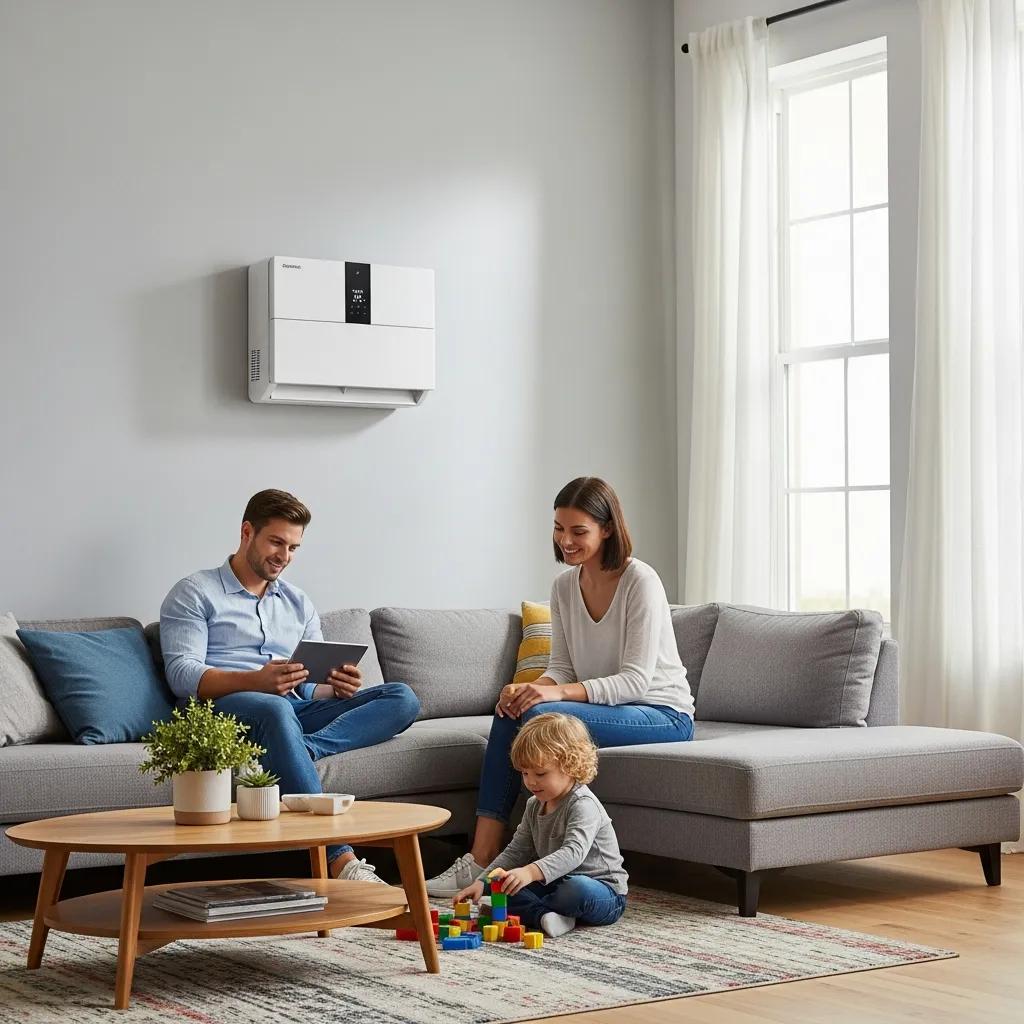
Ductless mini-split systems offer several advantages that make them an attractive option for many homeowners:
- Energy Efficiency: These systems are highly efficient, often achieving higher SEER (Seasonal Energy Efficiency Ratio) ratings than traditional systems, leading to lower energy bills.
- Zoned Control: Ductless systems allow for individual temperature control in different rooms, enhancing comfort and reducing energy waste.
- Easy Installation: Without the need for ductwork, installation is typically quicker and less invasive, making it a convenient option for retrofitting existing homes.
Further research supports the growing adoption of ductless mini-split systems due to their inherent advantages over conventional HVAC setups.
Ductless Mini-Split HVAC Advantages & Popularity
the ductless mini split system is gaining popularity in the market. Ductless mini splits can have several advantages over conventional systems including
A review of ductless mini split HVAC system, N Fumo, 2022
The flexibility and efficiency of ductless mini-split systems make them a popular choice for both residential and commercial applications.
After discussing the benefits of ductless systems, it’s important to consider the role of regular maintenance in ensuring their optimal performance.
How Can Energy Efficient Heating and Cooling Save You Money?
Investing in energy-efficient HVAC systems can lead to substantial cost savings over time. These systems are designed to reduce energy consumption while maintaining comfort levels. Here are some key ways energy-efficient heating and cooling can save you money:
- Lower Utility Bills: Energy-efficient systems consume less electricity, resulting in lower monthly energy bills.
- Tax Incentives: Many energy-efficient systems qualify for tax credits or rebates, providing immediate financial benefits upon installation.
- Increased Property Value: Homes equipped with energy-efficient HVAC systems often have higher resale values, making them a wise investment.
| HVAC System Type | Energy Efficiency Rating | Average Annual Savings |
|---|---|---|
| Central Air Conditioning | 14-21 SEER | $300-$500 |
| Heat Pumps | 15-20 HSPF | $400-$600 |
| Ductless Mini-Splits | 18-30 SEER | $200-$400 |
This table illustrates the potential savings associated with different HVAC systems, highlighting the financial benefits of choosing energy-efficient options.
Studies have further explored strategies to maximize these energy savings, particularly with ductless mini-split heat pumps in various residential applications.
Maximizing Ductless Mini-Split Heat Pump Energy Savings
In the residential retrofit application, ductless mini-split heat pumps (DHP) are often reported to hold high-energy savings potential, depending on the system they are supplementing or replacing. However, of late, there have been a number of studies and analyses indicating these energy savings are not being achieved. The primary goal of this project was to determine the most cost effective (lowest cost for the most energy saved) and persistent (e.g. automated, hard to change, etc.) solution for controlling a ductless heat pump in an existing home with central forced air furnace. Various control strategies were tested at the Pacific Northwest National Laboratory Lab Homes to compare the energy savings between the different energy efficient control strategies. A maximum of 40% energy savings was realized by using the ductless mini-split as the primary heat source with the central air conditioning unit as the secondary source.
Maximizing the Use of Ductless Mini-Splits in Homes with Existing Central or Zonal Heating and Cooling Equipment, JT Kolln, 2020
What Are Energy Star Ratings and Their Importance?
Energy Star ratings are a crucial indicator of a product’s energy efficiency. These ratings are assigned by the Environmental Protection Agency (EPA) and signify that a product meets strict energy efficiency guidelines. The importance of Energy Star ratings includes:
- Consumer Guidance: They help consumers identify products that will save energy and reduce utility costs.
- Environmental Impact: Choosing Energy Star-rated products contributes to reducing greenhouse gas emissions and conserving energy resources.
- Incentives: Many utility companies offer rebates for purchasing Energy Star-rated HVAC systems, further enhancing their affordability.
Understanding Energy Star ratings can guide consumers in making environmentally responsible and cost-effective choices.
How Do Zoned Climate Controls Improve Efficiency?
Zoned climate control systems allow for customized heating and cooling in different areas of a home or building. This technology enhances energy efficiency by ensuring that only occupied spaces are conditioned, leading to significant energy savings. The benefits of zoned climate controls include:
- Personalized Comfort: Different family members can set their preferred temperatures in various zones, enhancing overall comfort.
- Energy Savings: By conditioning only the necessary areas, homeowners can reduce energy consumption and lower utility bills.
- Reduced Wear on Systems: Efficiently managing temperature in specific zones can extend the lifespan of HVAC equipment by reducing the workload.
Zoned climate controls represent a modern approach to HVAC management, aligning comfort with energy efficiency.
What Are the Best Practices for Heat Pump Installation?
Proper installation of heat pumps is critical to their performance and longevity. Here are some best practices to consider:
- Professional Assessment: Engage a qualified HVAC technician to assess your home’s heating and cooling needs before installation.
- Correct Sizing: Ensure the heat pump is appropriately sized for your space to avoid inefficiencies and excessive wear.
- Optimal Placement: Position the outdoor unit in a location that allows for adequate airflow and minimizes exposure to extreme weather conditions.
Following these best practices can help maximize the efficiency and effectiveness of heat pump systems.
Common Installation Challenges and How to Overcome Them
Installing HVAC systems can present various challenges. Here are some common issues and solutions:
- Ductwork Issues: Poorly designed or leaky ductwork can reduce system efficiency. Conducting a thorough inspection and sealing leaks can mitigate this problem.
- Insufficient Insulation: Inadequate insulation can lead to energy loss. Upgrading insulation in attics and walls can improve overall system performance.
- Electrical Problems: Ensuring proper electrical connections and circuit sizing is essential for safe and efficient operation.
Addressing these challenges proactively can lead to a smoother installation process and better long-term performance.
How Do Central Air Units Work and What Are Their Advantages?
Central air conditioning units work by circulating cooled air through a system of ducts. The process begins with the compressor, which pumps refrigerant through the system, absorbing heat from the indoor air and releasing it outside. The advantages of central air units include:
- Consistent Temperature Control: They provide uniform cooling throughout the home, ensuring comfort in all rooms.
- Improved Air Quality: Central systems often include filters that remove dust, allergens, and pollutants from the air.
- Quiet Operation: Most components are located outside the home, resulting in quieter indoor environments.
Central air units are a reliable choice for comprehensive cooling solutions in larger spaces.
Maintenance Tips for Optimal Central Air Performance
Regular maintenance is essential for ensuring the longevity and efficiency of central air conditioning systems. Here are some key maintenance tips:
- Change Filters Regularly: Replace air filters every 1-3 months to maintain airflow and improve indoor air quality.
- Schedule Annual Inspections: Have a professional technician inspect and service the system annually to identify potential issues before they escalate.
- Clean Coils and Fins: Ensure that the evaporator and condenser coils are clean to maximize heat exchange efficiency.
Implementing these maintenance practices can help keep central air systems running smoothly and efficiently.
What Are Smart HVAC Controls and How Do They Enhance Comfort?
Smart HVAC controls allow homeowners to manage their heating and cooling systems remotely through smartphones or other devices. These systems enhance comfort by providing features such as:
- Programmable Scheduling: Users can set schedules for heating and cooling based on their routines, optimizing energy use.
- Real-Time Monitoring: Smart controls provide insights into energy consumption and system performance, allowing for informed adjustments.
- Integration with Home Automation: Many smart HVAC systems can integrate with other smart home devices, creating a cohesive and efficient home environment.
The convenience and efficiency of smart HVAC controls make them an appealing option for modern homeowners.
Integration of Smart Thermostats with HVAC Systems
Smart thermostats are a key component of modern HVAC systems, offering advanced features that enhance energy efficiency and comfort. These devices can learn user preferences and adjust settings automatically, optimizing energy use. Key considerations for integrating smart thermostats include:
- Compatibility: Ensure the thermostat is compatible with your existing HVAC system for seamless operation.
- Installation: Professional installation may be required to ensure proper setup and functionality.
- User Training: Familiarize yourself with the thermostat’s features to maximize its benefits.
Integrating smart thermostats can significantly improve the efficiency of HVAC systems, leading to lower energy costs.
Benefits of Automated Temperature Regulation
Automated temperature regulation systems provide numerous benefits for homeowners, including:
- Energy Savings: By adjusting temperatures based on occupancy and time of day, these systems can significantly reduce energy consumption.
- Enhanced Comfort: Automated systems ensure that indoor temperatures remain consistent, adapting to changes in weather and occupancy.
- Convenience: Homeowners can control their HVAC systems remotely, providing flexibility and ease of use.
The advantages of automated temperature regulation make it a valuable addition to any HVAC system.
How Often Should Air Heating and Cooling Systems Be Serviced?
Regular servicing of air heating and cooling systems is crucial for maintaining efficiency and performance. It is generally recommended to have HVAC systems serviced at least once a year. Key factors influencing service frequency include:
- System Age: Older systems may require more frequent servicing to address wear and tear.
- Usage Patterns: Systems that are used heavily may need more regular maintenance to ensure optimal performance.
- Manufacturer Recommendations: Always follow the manufacturer’s guidelines for servicing to maintain warranty coverage.
Adhering to a regular servicing schedule can help prevent costly repairs and extend the lifespan of HVAC systems.
Routine Maintenance Tasks for HVAC Longevity
To ensure the longevity of HVAC systems, homeowners should perform routine maintenance tasks, including:
- Changing Air Filters: Regularly replacing filters helps maintain airflow and indoor air quality.
- Cleaning Condenser Coils: Keeping coils clean improves energy efficiency and system performance.
- Checking Refrigerant Levels: Ensuring proper refrigerant levels is essential for optimal cooling performance.
These routine tasks can significantly enhance the efficiency and lifespan of HVAC systems.
Signs You Need Professional HVAC Servicing
Recognizing the signs that your HVAC system requires professional servicing is crucial for maintaining comfort and efficiency. Common indicators include:
- Unusual Noises: Sounds such as grinding or squealing may indicate mechanical issues that need attention.
- Inconsistent Temperatures: If certain areas of your home are not cooling or heating properly, it may signal a problem with the system.
- Increased Energy Bills: A sudden spike in energy costs can indicate that your HVAC system is working harder than it should be.
If you notice any of these signs, it is advisable to contact a professional HVAC technician for an assessment.