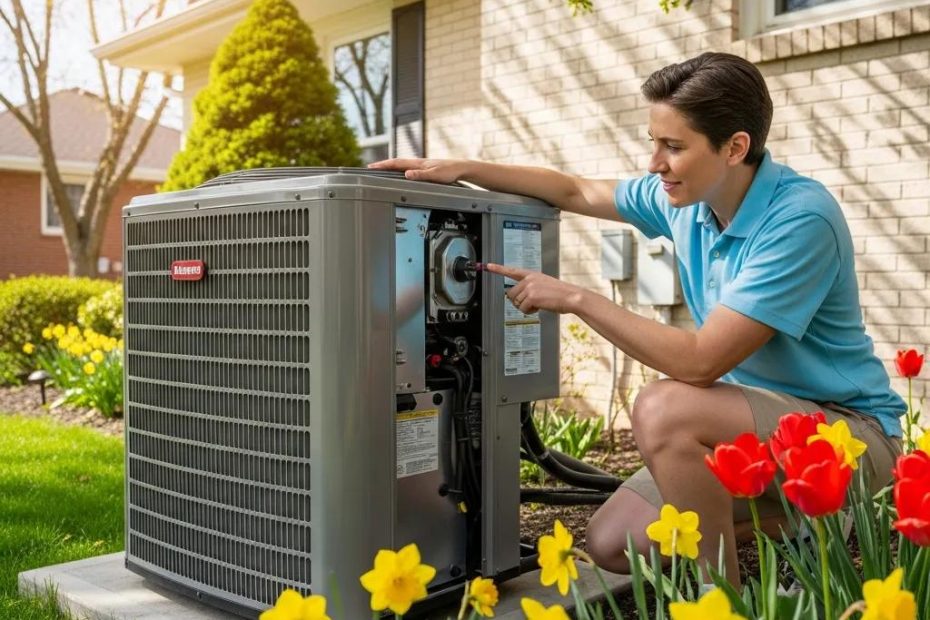
Beat the Rush: The Smart Homeowner’s Guide to Spring HVAC Checkups
Get your HVAC system ready for spring with essential tips every homeowner should know. Boost efficiency and avoid last-minute rushes this season.
Get your HVAC system ready for spring with essential tips every homeowner should know. Boost efficiency and avoid last-minute rushes this season.

Ensure your home is ready for fall with essential furnace maintenance tips. Prevent failures and keep your family cozy all season long with our expert advice.
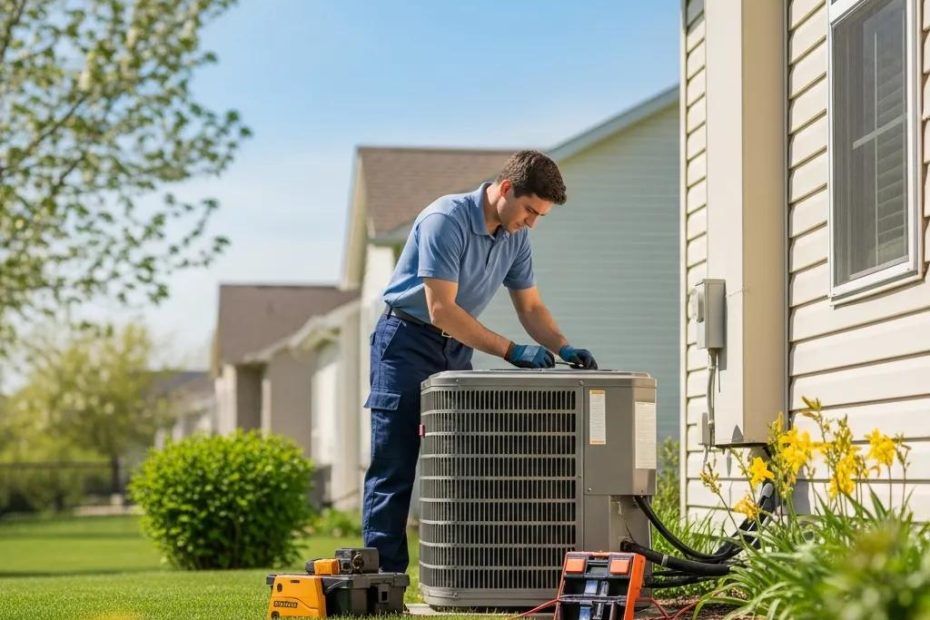
Prepare your AC for summer with our expert tune-up services. Save money and avoid stress by ensuring your system runs efficiently when you need it most!
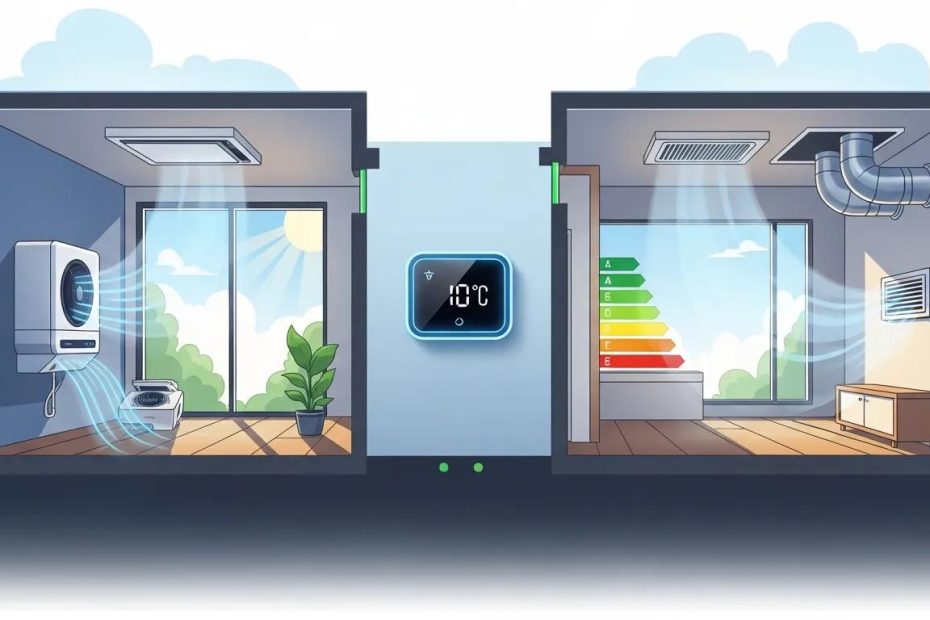
Upgrade your home’s efficiency with the latest energy-efficient furnaces for 2026. Learn about smart thermostat technology and HVAC trends shaping the future!

Lower your NIPSCO bill today! Use these effective tips to save on heating costs while maintaining comfort. Start saving energy and money now!

Struggling with heating system problems? Learn to identify furnace issues and get expert tips for efficient repair in Chesterton and Hobart. Stay warm!

Beat the cold with effective furnace troubleshooting tips for Portage homes. Learn how to quickly identify issues and get your heating back on track today!

Facing furnace issues in Valparaiso? Learn the top repair problems and expert heating services to get your furnace working efficiently again. Call us today!
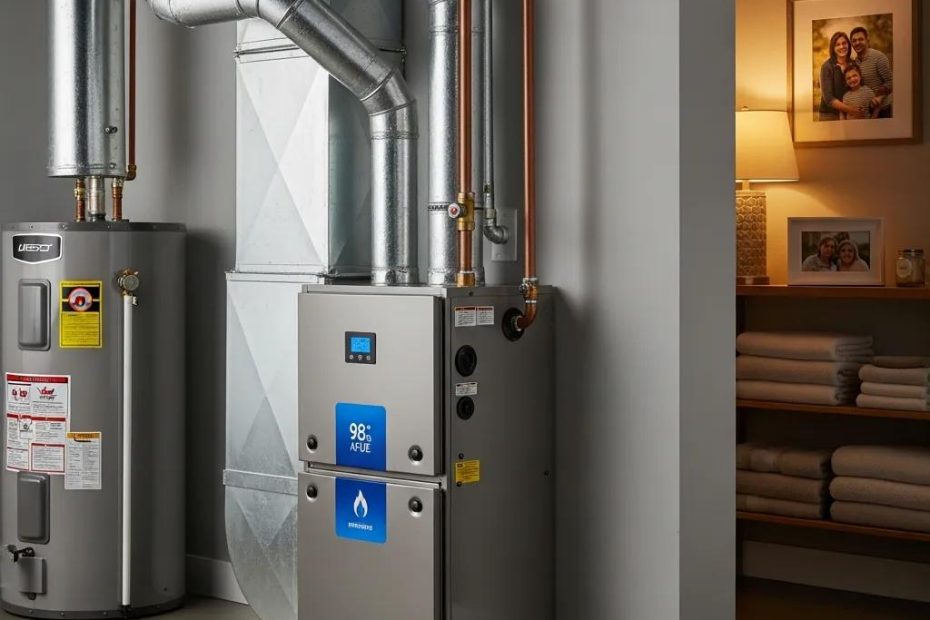
Maximize your savings on high efficiency furnace installation costs. Learn essential budgeting tips to ensure an efficient and affordable upgrade for your home.

Improve your furnace’s airflow by fixing blocked vents today. Follow our expert HVAC troubleshooting tips for better comfort and energy efficiency in your home.