Top 7 Furnace Repair Problems Homeowners Face in Valparaiso, IN
Furnaces are essential for maintaining comfort in homes, especially during the cold months in Valparaiso, IN. Understanding common furnace issues can help homeowners address problems quickly and effectively. This article explores the top seven furnace repair problems that homeowners face, providing insights into their causes and solutions. By recognizing these issues early, you can prevent costly repairs and ensure your heating system operates efficiently. We will cover problems such as heating failures, noisy operations, frequent cycling, and more, along with practical troubleshooting tips and when to seek professional help.
Why Is My Furnace Not Heating Properly in Valparaiso?
A furnace that fails to heat properly can be a significant concern for homeowners. This issue often arises from various factors, including thermostat malfunctions, dirty filters, or mechanical failures. Understanding the symptoms and potential causes can help you troubleshoot effectively. For more information, visit our blog.
What Are the Common Symptoms of Furnace Not Heating?
Common symptoms indicating that your furnace is not heating properly include:
- Cold Air from Vents: If you feel cold air blowing from the vents, it may indicate a malfunction.
- Thermostat Not Responding: A thermostat that does not adjust the temperature can prevent the furnace from operating correctly.
- Inconsistent Heating: If some rooms are warm while others remain cold, there may be an issue with airflow or ductwork.
Recognizing these symptoms early can help you take action before the problem worsens.
How Can Homeowners Troubleshoot Furnace Heating Issues Safely?
Homeowners can take several steps to troubleshoot heating issues safely:
- Check Thermostat Settings: Ensure the thermostat is set to “heat” and the desired temperature is higher than the current room temperature.
- Inspect Air Filters: Dirty air filters can restrict airflow, leading to heating problems. Replace or clean filters regularly.
- Examine Vents: Ensure that all vents are open and unobstructed to allow proper airflow throughout the home.
If these steps do not resolve the issue, it may be time to call a professional for further assistance.
What Causes Noisy Furnaces and How Can They Be Fixed?
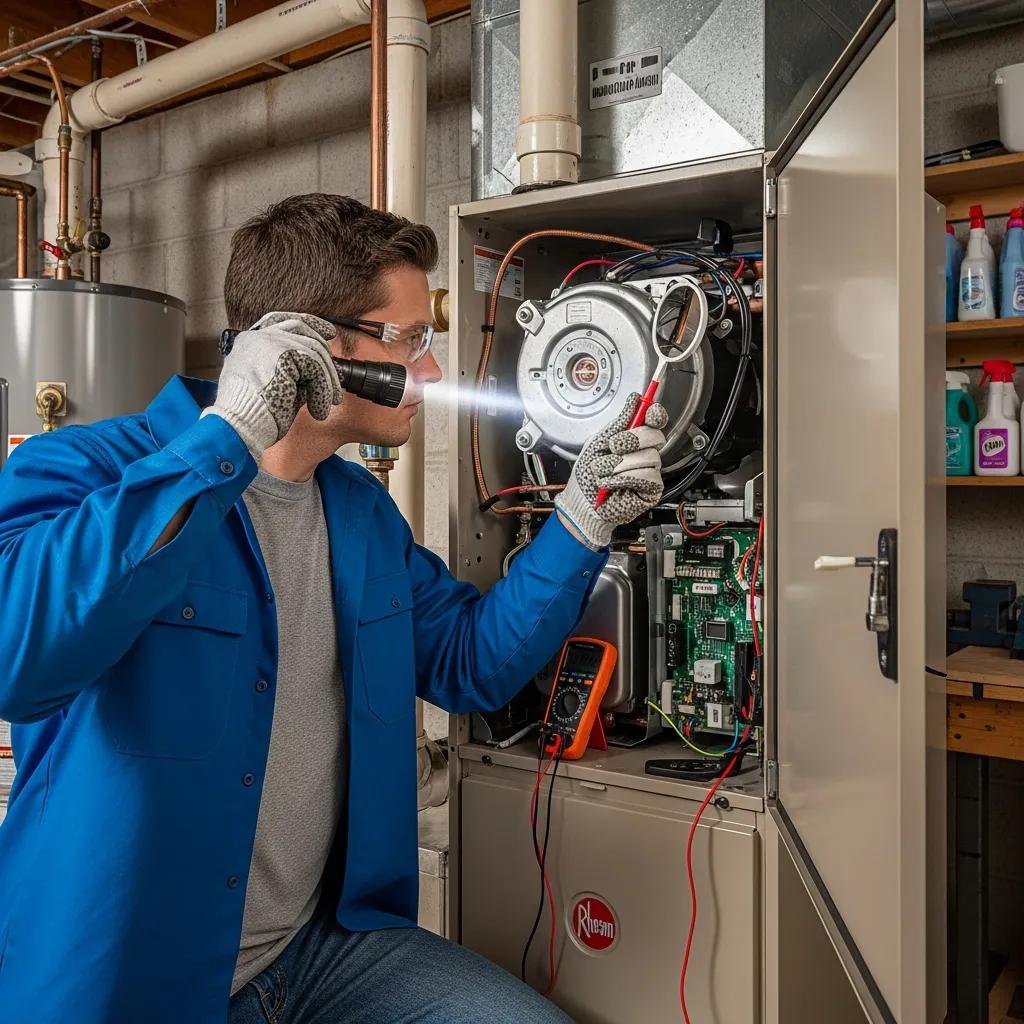
Noisy furnaces can be a source of frustration for homeowners. Various sounds can indicate different problems, and understanding these noises can help in diagnosing the issue.
Which Strange Noises Indicate Furnace Problems?
Common noises that may indicate furnace problems include:
- Banging Sounds: This may suggest delayed ignition or expansion and contraction of metal parts.
- Squealing Noises: Often caused by worn-out blower motor belts or bearings that need lubrication or replacement.
- Rattling Sounds: This could indicate loose panels or debris in the blower compartment.
Identifying the type of noise can help in determining the necessary repairs.
What Are Effective Solutions for Noisy Furnace Repairs?
To address noisy furnace issues, homeowners can consider the following solutions:
- Tightening Loose Parts: Inspect and tighten any loose screws or panels that may be causing rattling.
- Replacing Worn Components: If belts or bearings are worn, replacing them can eliminate squealing noises.
- Calling a Professional: If the noise persists, it may be best to consult a technician for a thorough inspection.
Addressing these noises promptly can prevent further damage to the furnace.
How to Address Frequent Furnace Cycling in Valparaiso Homes?
Frequent cycling, where the furnace turns on and off repeatedly, can lead to increased energy bills and wear on the system. Understanding the causes can help homeowners mitigate this issue.
What Causes a Furnace to Cycle On and Off Frequently?
Several factors can cause a furnace to cycle frequently: our blog
- Thermostat Issues: A malfunctioning thermostat may cause the furnace to misread the temperature.
- Dirty Filters: Clogged filters can restrict airflow, causing the furnace to overheat and shut off.
- Improperly Sized Furnace: A furnace that is too large for the home can lead to short cycling; a furnace that is too small may run continuously but is less likely to short cycle.
Identifying the root cause is essential for effective resolution.
When Should You Call a Professional for Furnace Cycling Issues?
Homeowners should consider calling a professional if:
- Persistent Cycling: If the furnace continues to cycle despite troubleshooting efforts, it may indicate a more serious issue.
- Increased Energy Bills: A noticeable spike in energy costs can signal inefficiency due to cycling.
- Unusual Noises: If cycling is accompanied by strange noises, it’s best to seek expert help.
A technician can provide a comprehensive assessment and recommend necessary repairs.
What Does a Yellow Pilot Light Mean and How to Respond?
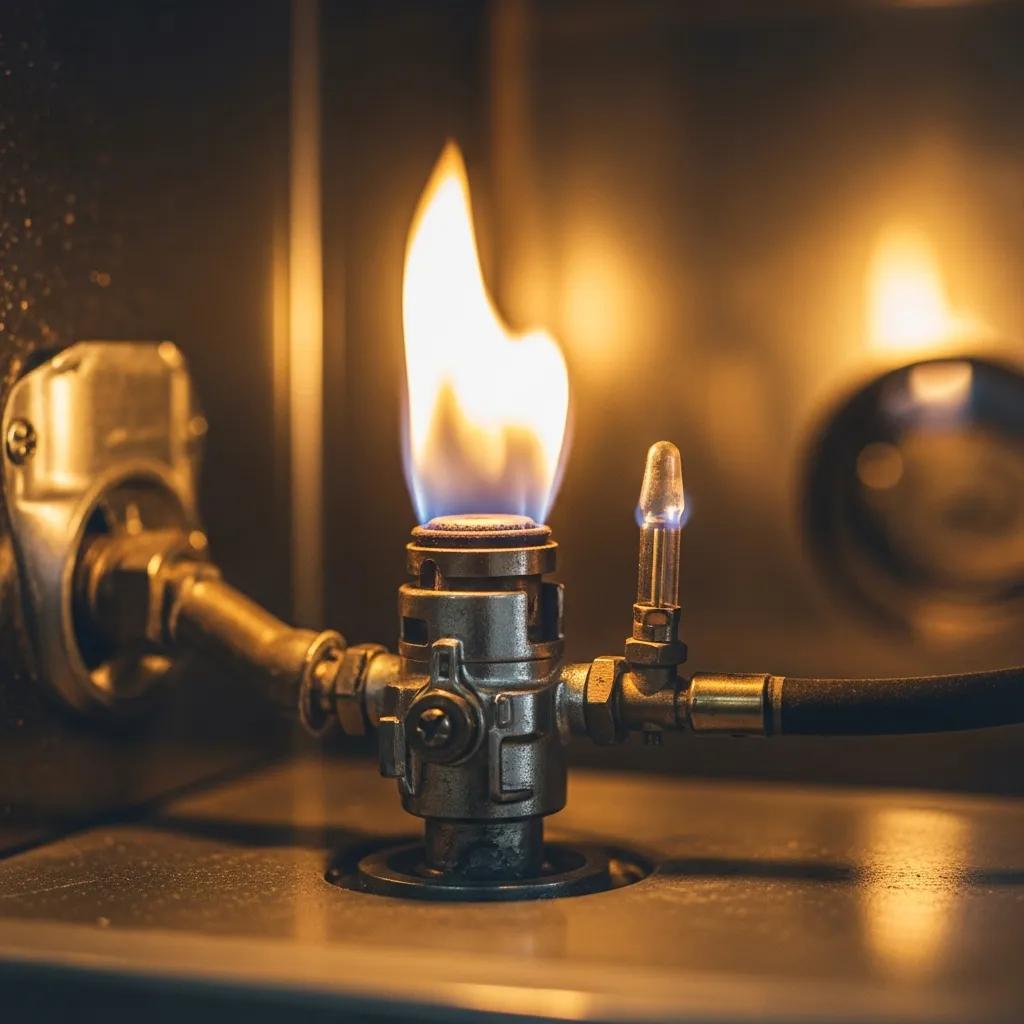
A yellow pilot light can indicate potential safety issues with your furnace. Understanding its significance is crucial for maintaining a safe home environment.
Why Is a Yellow or Flickering Pilot Light a Safety Concern?
A yellow or flickering pilot light may suggest: our blog
- Carbon Monoxide Production: This can occur due to incomplete combustion, posing a serious health risk.
- Dirty Burner: A dirty burner can affect combustion efficiency, leading to a yellow flame.
- Ventilation Issues: Poor ventilation can cause improper airflow, resulting in a yellow pilot light.
Recognizing these signs is vital for ensuring safety.
What Steps Should Homeowners Take for Yellow Pilot Light Problems?
If you notice a yellow pilot light, take the following steps:
- Turn Off the Furnace: Immediately turn off the furnace to prevent any potential hazards.
- Call a Technician: Contact a professional to inspect the furnace and address any underlying issues.
- Install Carbon Monoxide Detectors: Ensure that carbon monoxide detectors are installed and functioning in your home for added safety.
Taking these precautions can help protect your household from potential dangers.
Conclusion
Understanding common furnace repair problems empowers homeowners in Valparaiso, IN, to maintain a comfortable and safe living environment. By recognizing issues such as heating failures, noisy operations, and frequent cycling, you can take proactive steps to ensure your heating system runs efficiently. Don’t hesitate to reach out to a professional for assistance when needed, as timely intervention can save you from costly repairs. Explore our resources for more tips and expert advice on furnace maintenance today.