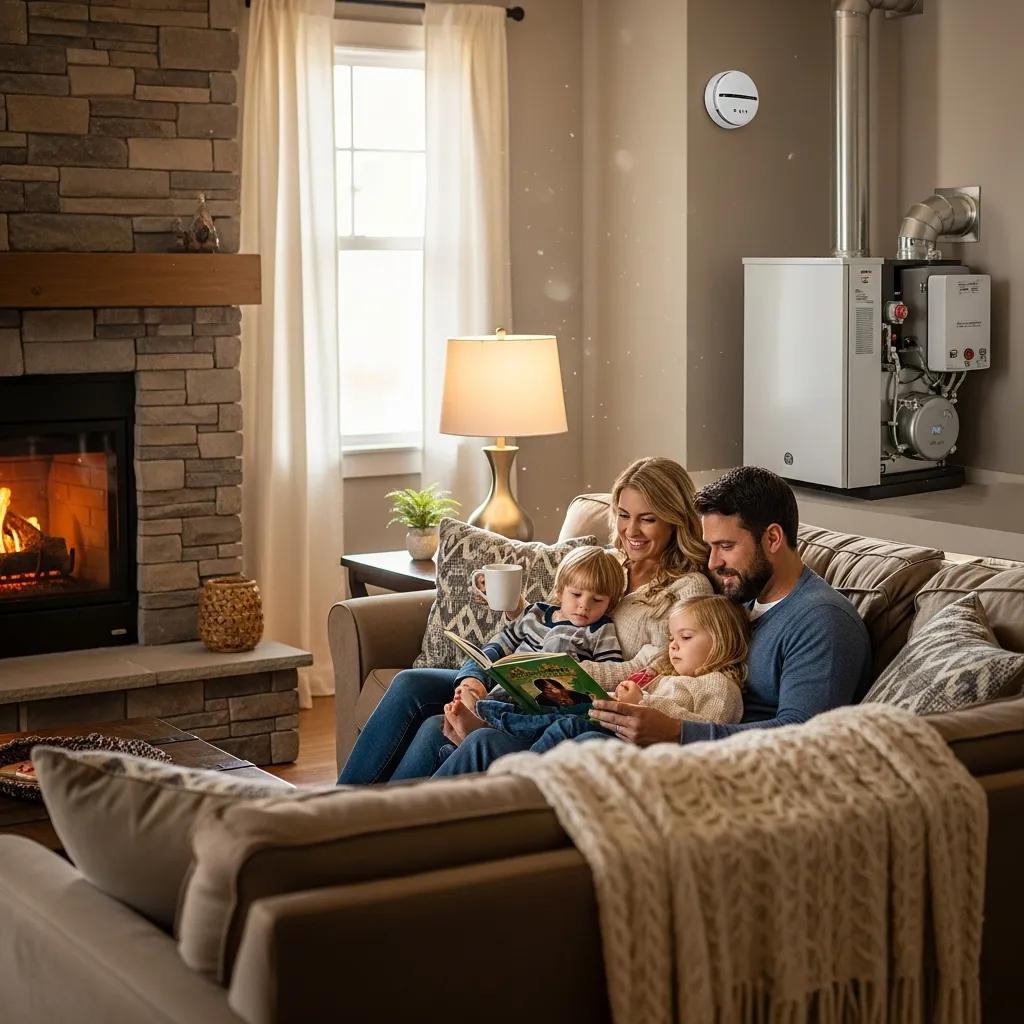
The Hidden Dangers of Neglected Furnaces: Carbon Monoxide and Safety Issues Indiana Homeowners Need to Know
Neglected furnaces pose significant risks to homeowners, particularly through the silent threat of carbon monoxide (CO). This colorless, odorless gas can lead to severe health issues and even fatalities if not properly managed. In this article, we will explore the dangers associated with carbon monoxide, the importance of regular furnace maintenance, and the safety measures Indiana homeowners should implement to protect themselves and their families. Understanding these risks and solutions is crucial for maintaining a safe living environment. We will cover the properties of carbon monoxide, the role of annual furnace maintenance, Indiana’s detector requirements, emergency procedures during a CO leak, and additional furnace hazards.
What Is Carbon Monoxide and Why Is it a Silent Killer in Indiana Homes?
Carbon monoxide is a toxic gas produced by the incomplete combustion of fossil fuels, commonly found in residential heating systems. It is particularly dangerous because it is colorless and odorless, making it difficult for homeowners to detect without proper equipment. The gas can accumulate in enclosed spaces, leading to poisoning and potentially fatal outcomes. Understanding the sources and health effects of carbon monoxide is essential for Indiana homeowners to mitigate these risks effectively.
What Are the Properties and Sources of Carbon Monoxide in Residential Furnaces?
Carbon monoxide is a byproduct of burning fuels such as natural gas, propane, and oil. Common sources in residential settings include malfunctioning furnaces, gas stoves, and water heaters. When these appliances are not properly maintained, they can produce dangerous levels of CO. Regular inspections and maintenance are crucial to ensure that these systems operate efficiently and safely, preventing the buildup of this harmful gas.
How Does Carbon Monoxide Affect Health and What Are Poisoning Symptoms?
Exposure to carbon monoxide can lead to serious health issues, including headaches, dizziness, confusion, and even loss of consciousness. Symptoms of CO poisoning can mimic those of the flu, making it difficult to diagnose without proper testing. Prolonged exposure can result in severe neurological damage or death. It is vital for homeowners to recognize these symptoms and take immediate action if they suspect a CO leak.
How Can Annual Furnace Maintenance Prevent Carbon Monoxide Leaks?
Regular furnace maintenance is essential for preventing carbon monoxide leaks and ensuring the safe operation of heating systems. Homeowners should schedule annual inspections with qualified HVAC professionals to identify potential issues before they escalate. This proactive approach not only enhances safety but also improves the efficiency and longevity of the heating system.
Studies underscore the profound impact of consistent upkeep on both safety and system longevity.
Importance of Regular Furnace Maintenance and Annual Inspections
to and facilitators of regular furnace maintenance or how often consumers perform such maintenance. The study also explored perceptions of a properly working furnace, and several compared an annual furnace inspection to regularly scheduled vehicle maintenance.
Risk and protective behaviours for residential carbon monoxide poisoning, JA Poehlman, 2013
What Does a Professional HVAC Safety Inspection in Indiana Include?
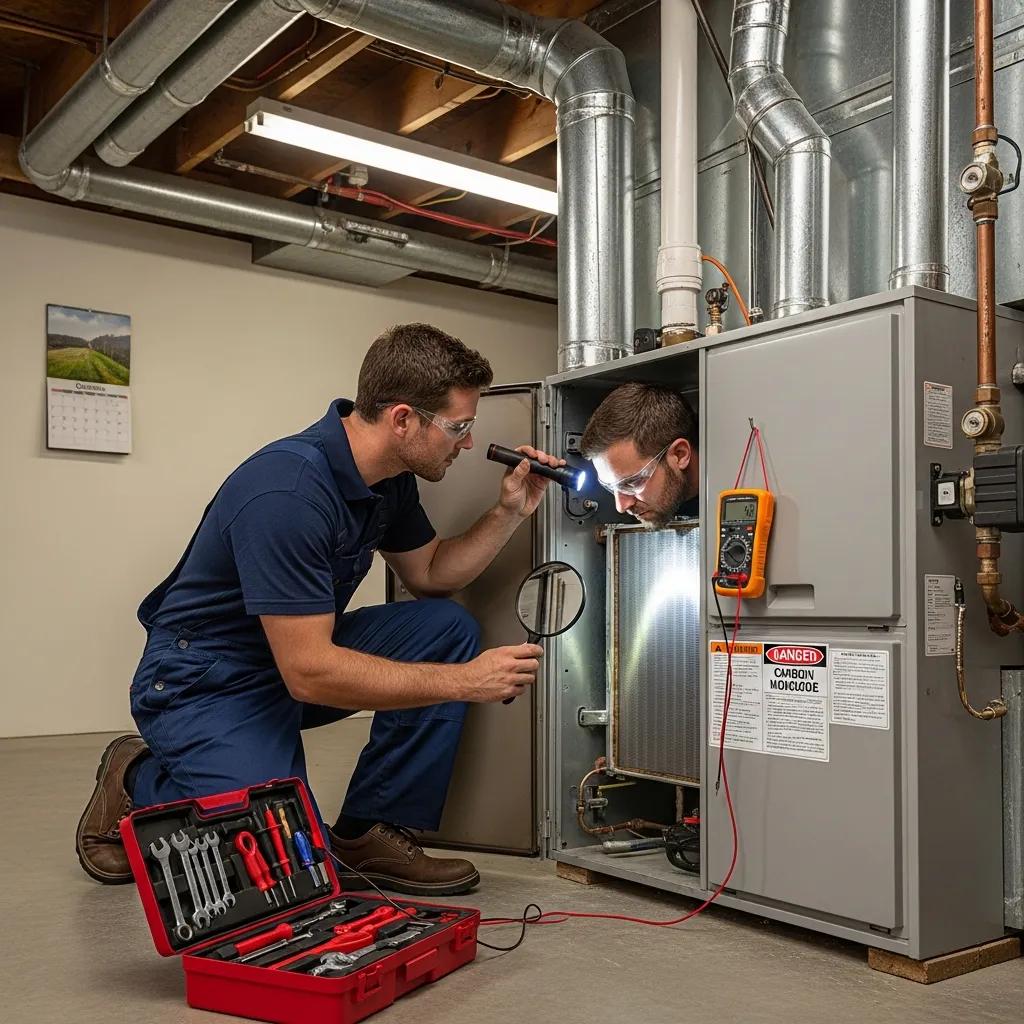
A professional HVAC safety inspection typically includes a thorough examination of the furnace, checking for signs of wear and tear, and ensuring that all components are functioning correctly. Technicians will inspect the heat exchanger, flue pipes, and ventilation systems to ensure they are free from blockages and leaks. Regular inspections help identify potential hazards early, allowing for timely repairs and maintenance.
Why Is Regular Filter Replacement and Heat Exchanger Check Critical?
Regular filter replacement and heat exchanger checks are critical for maintaining the efficiency and safety of HVAC systems. Clean filters ensure optimal airflow and system performance, while checking the heat exchanger helps prevent cracks or damage that could lead to carbon monoxide leaks. Regular maintenance tasks, including these checks, can significantly enhance performance and extend the lifespan of HVAC equipment.
Understanding the integrity of components like the heat exchanger is paramount, as research delves into the specific vulnerabilities that can arise.
Root Causes of Cracked Heat Exchangers in Boilers
Primary heat exchanger cracks in gas wall-mounted boilers are a significant concern. This study investigates the root causes of cracking in the heat exchanger of gas wall-hung boilers, aiming to understand the causes of these cracks.
Root cause analysis of a cracked primary heat exchanger in a gas wall-mounted boiler, 2023
What Are Indiana’s Carbon Monoxide Detector Requirements and Best Placement Practices?
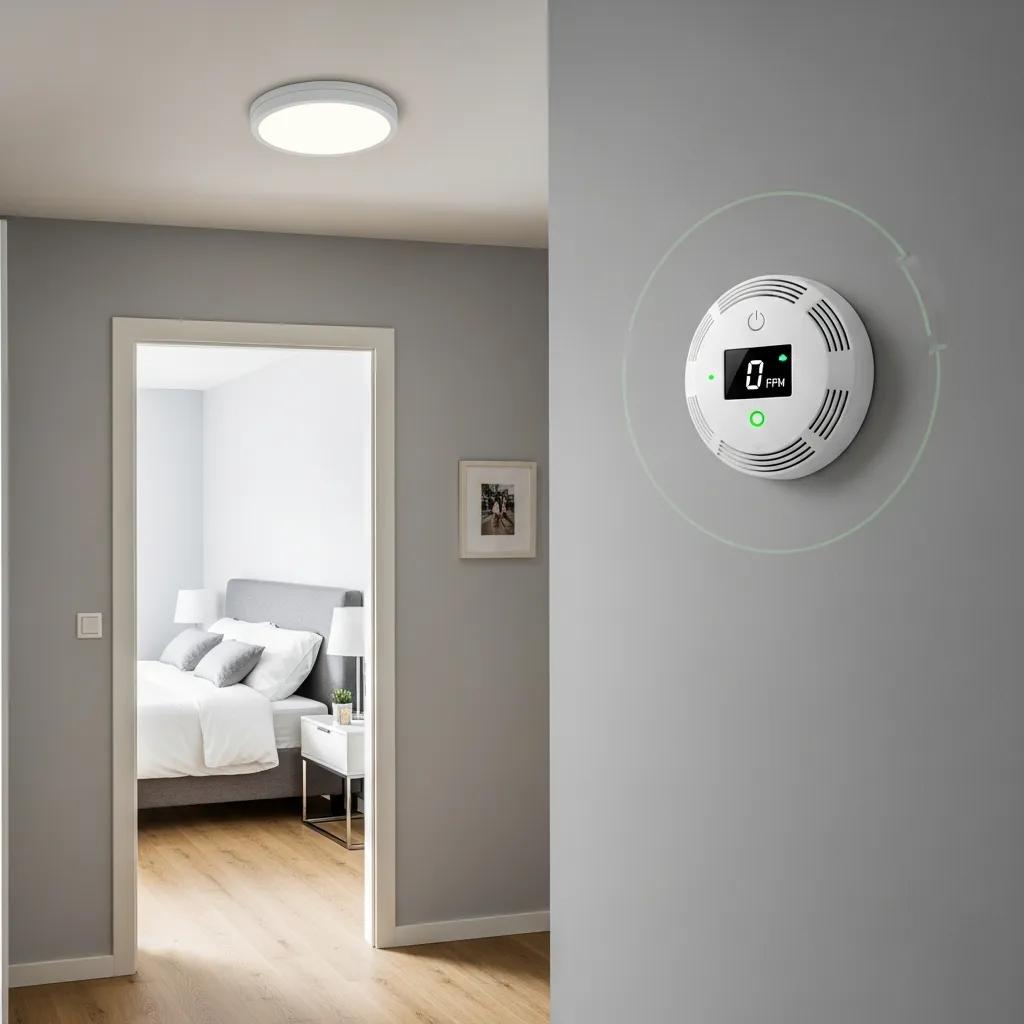
Indiana law mandates that all homes with fuel-burning appliances must have carbon monoxide detectors installed. These devices are essential for alerting residents to the presence of CO, providing an early warning that can save lives. Understanding the legal requirements and best practices for detector placement is crucial for ensuring home safety.
Research consistently highlights the critical role of these alarms in safeguarding lives.
Home Carbon Monoxide Alarms Prevent Fatal Exposures
Most CO exposures occur at home. Carbon monoxide alarms can effectively prevent many fatal and nonfatal CO exposures. During a 2002 power outage in North Carolina, most of the CO exposures were related to alternative heating sources.
Residential carbon monoxide alarm prevalence and ordinance awareness, S Saha, 2002
What Does the Indiana Residential Code Mandate for CO Alarm Installation?
The Indiana Residential Code requires that carbon monoxide alarms be installed outside of each sleeping area and on every level of the home. These alarms must be powered by a battery or be hardwired into the home’s electrical system with battery backup. Compliance with these regulations is essential for protecting residents from the dangers of carbon monoxide exposure.
Where Should Carbon Monoxide Detectors Be Installed for Optimal Home Safety?
For optimal safety, carbon monoxide detectors should be installed in key locations throughout the home. Recommended placements include:
- Outside each sleeping area
- On every level of the home, including basements
- Near fuel-burning appliances
Regular testing and maintenance of these detectors are also crucial to ensure they function correctly when needed.
What Should Indiana Homeowners Do During a Carbon Monoxide Emergency?
In the event of a carbon monoxide emergency, homeowners must act quickly to protect themselves and their families. Recognizing the signs of a CO leak and knowing the appropriate steps to take can be lifesaving.
How to Recognize Carbon Monoxide Leak Signs and Symptoms Quickly?
Common signs of a carbon monoxide leak include:
- Unexplained headaches or dizziness
- Nausea or vomiting
- Confusion or disorientation
- Unusual behavior in pets
If any of these symptoms are present, it is crucial to evacuate the premises immediately and seek fresh air.
What Immediate Actions Should Be Taken and When to Contact HVAC Professionals?
Immediate actions to take for HVAC issues include turning off the furnace, opening windows and doors to ventilate the area, and evacuating the home. After reaching a safe location, call emergency services or the gas company to report the suspected CO leak. Contact HVAC professionals to inspect and repair the furnace before re-entering the home. Regular maintenance is also recommended to prevent issues from escalating.
Beyond Carbon Monoxide: What Other Furnace Hazards Should Indiana Homeowners Know?
While carbon monoxide is a significant concern, other hazards associated with neglected furnaces can also pose risks to homeowners. Understanding these additional dangers is essential for comprehensive home safety.
How to Identify and Prevent Fire Hazards Related to Neglected Furnaces?
To identify and prevent fire hazards related to neglected furnaces, homeowners should focus on regular HVAC maintenance. This includes:
- Routine Check-ups: Schedule regular inspections to identify potential issues before they escalate.
- Filter Changes: Regularly change air filters to prevent blockages that can lead to overheating.
- Cleaning: Keep the furnace and its components clean, including the heat exchanger and condensate traps, to ensure efficient operation and reduce fire risks.
- Check Venting: Ensure that venting systems are clear and functioning properly to prevent flue gas buildup.
- Listen for Unusual Noises: Be attentive to any strange sounds that may indicate mechanical issues requiring immediate attention.
By following these maintenance tips, homeowners can significantly reduce the risk of fire hazards associated with neglected furnaces.
What Are Gas Leak Risks and Indoor Air Quality Solutions for Safer Homes?
Gas leaks can also pose serious risks to homeowners, leading to potential explosions and health hazards. To mitigate these risks, homeowners should:
- Install gas leak detectors in key areas of the home.
- Ensure proper ventilation in areas with gas appliances.
- Schedule regular inspections of gas lines and appliances.
Improving indoor air quality through regular maintenance and the use of air purifiers can also help create a safer living environment.
Why Choose Furnace Exchange LLC for Furnace Safety and Carbon Monoxide Prevention in Northwest Indiana?
Furnace Exchange LLC is a dedicated HVAC service provider based in Northwest Indiana, offering comprehensive heating and cooling solutions. Their services include furnace installation, AC replacement, HVAC repairs, and system maintenance, catering to homeowners in Hebron, Chesterton, Crown Point, Valparaiso, Portage, and all of Porter and Lake Counties. The company prides itself on over 20 years of industry experience and is an authorized dealer for trusted brands like York, Guardian, and Bosch.
What Comprehensive HVAC Services Does Furnace Exchange LLC Offer for Home Safety?
Furnace Exchange LLC offers comprehensive HVAC services that include regular maintenance, energy-efficient upgrades, troubleshooting tips, and assistance in choosing the right HVAC system for home safety. Regular maintenance helps identify potential issues early, ensuring system longevity and efficiency. Energy-efficient upgrades can lower energy consumption and costs, while troubleshooting tips empower homeowners to address minor issues. Additionally, selecting the appropriate HVAC system tailored to the home’s needs maximizes comfort and efficiency.
How Do Experienced Technicians Ensure Reliable and Energy-Efficient Furnace Operation?
Experienced technicians ensure reliable and energy-efficient furnace operation through regular HVAC maintenance, which includes tasks like changing filters, cleaning coils, and checking refrigerant levels. They also recommend energy-efficient upgrades, such as high-efficiency furnaces and programmable thermostats, which can significantly reduce energy consumption. Additionally, they may utilize smart home heating solutions to optimize energy use, enhance performance, and detect issues proactively. Proper installation and maintenance of condensing furnaces, including checking condensate traps and ensuring clean heat exchangers, are also crucial for maintaining efficiency and longevity.