Complete Guide to Home HVAC Systems & Energy Efficiency: Installation, Maintenance, and Performance Optimization
Home HVAC systems control indoor comfort and costs. This guide summarizes the main energy-efficient system types, the advantages of variable-speed equipment, why ENERGY STAR matters, typical installation cost drivers, and a concise maintenance checklist to help homeowners make practical, cost-aware decisions.
What Are the Key Types of Energy Efficient HVAC Systems?
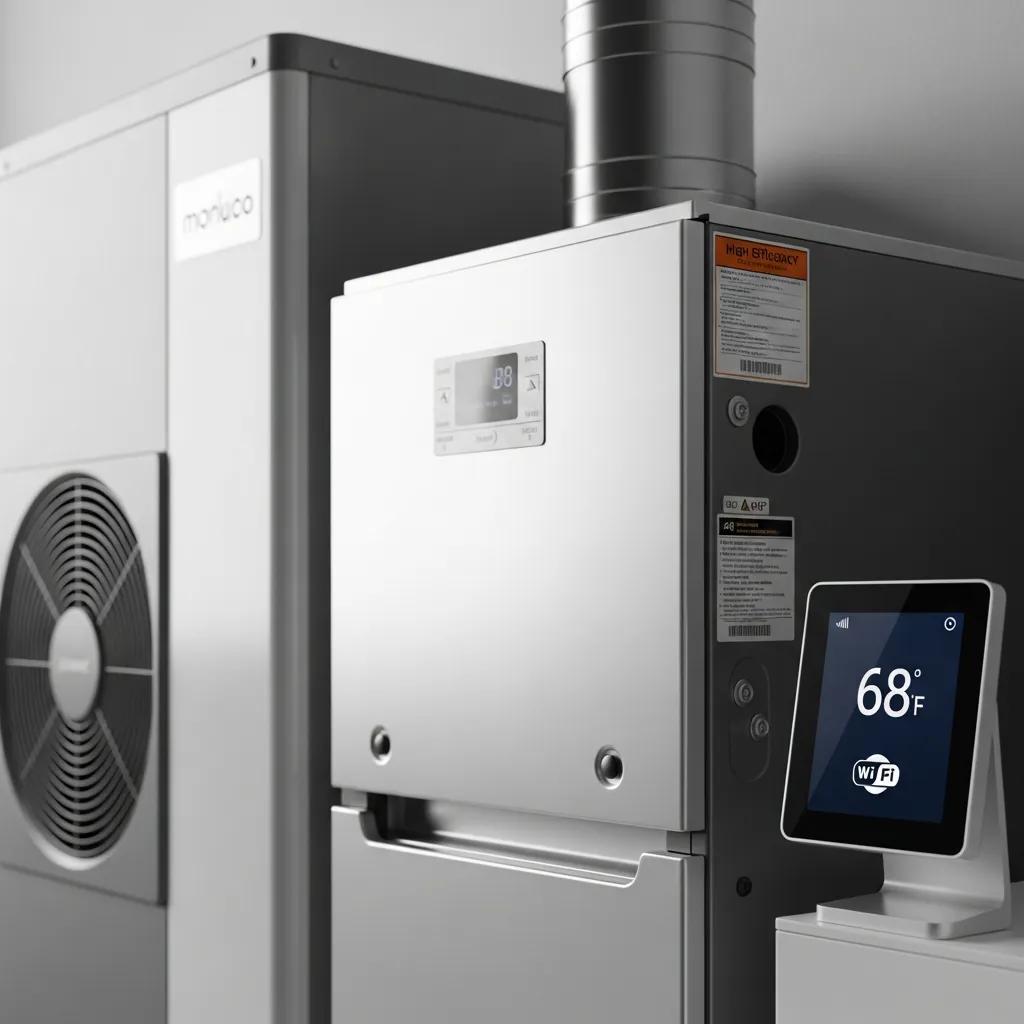
Energy-efficient HVAC options focus on reduced energy use and improved comfort. The primary choices are:
- High-Efficiency Furnaces : Modern furnaces reach high AFUE ratings (often >90%), converting more fuel to usable heat.
- Heat Pumps : Heat pumps move heat instead of creating it, providing efficient heating and cooling in many climates.
- Smart Thermostats : Smart controls learn schedules and reduce runtime by optimizing setpoints and setbacks.
Choosing between these depends on climate, fuel availability, and budget.
How Do Variable Speed HVAC Systems Improve Energy Savings?
Variable-speed equipment varies blower and compressor output to hold temperature tightly and run longer at lower power, which reduces cycling losses and overall energy consumption.
- Precise Temperature Control : Slower, continuous operation keeps indoor temperatures steadier.
- Reduced Energy Consumption : Lower-speed operation uses less energy than frequent full-capacity cycles.
- Improved Efficiency : Systems can modulate to match load, improving comfort and efficiency.
In practice, variable-speed systems tend to lower bills and improve comfort compared with single-speed units.
What Role Do ENERGY STAR Certified Systems Play in Efficiency?
ENERGY STAR identifies higher-efficiency HVAC models that meet strict performance criteria; choosing certified equipment often yields lower usage and better environmental outcomes.
- Lower Energy Use : Certified systems generally consume less energy for equivalent comfort.
- Utility Rebates : Many utilities offer rebates, reducing upfront cost for qualifying units.
- Environmental Impact : Reduced consumption lowers greenhouse gas emissions.
Selecting ENERGY STAR equipment is a practical way to combine long-term savings and sustainability.
Research further supports the effectiveness of rebate programs in encouraging adoption of energy-efficient appliances.
ENERGY STAR Rebates: Boosting Sales of Energy-Efficient HVAC & Appliances
We estimate the impact of rebate policies in various US states on the sales share of ENERGY STAR household appliances. We use annual ENERGY STAR sales data for clothes washers, dishwashers, refrigerators and air conditioners from 2001 to 2006 and the variation in the coverage of rebates across US states and over time to identify the impact of rebate policies. Results suggest that rebate policies increase the sales share of ENERGY STAR household appliances by 3.3 to 6.6 percentage points, and this represents an impact of 9 to 18 % on the mean level of the sales share of ENERGY STAR household appliances in the US between 2001 and 2006. We conclude that rebates on ENERGY STAR appliances increase the uptake of energy-efficient appliances.
Analysing the impact of ENERGY STAR rebate policies in the US, S Datta, 2001
How Much Does HVAC Installation Cost in North West Indiana?
Typical residential HVAC installation costs in North West Indiana commonly fall between $3,500 and $7,500, depending on equipment and labor.
- Type of System : Higher-efficiency or multi-stage systems cost more upfront but save operating dollars.
- Installation Complexity : Ductwork, structural access, or additional components increase labor and material costs.
- Local Labor Rates : Regional labor and permit costs affect the final price.
Understanding these drivers helps homeowners set realistic budgets and compare bids.
To help ensure quality and proper sizing, choose a licensed provider with local experience. Furnace Exchange specializes in residential installation, repair, and maintenance.
For installations, follow established guidelines for proper high-efficiency furnace retrofits to avoid common pitfalls.
High-Efficiency Gas Furnace Installation Guide for HVAC Retrofits
ABSTRACT: This measure guideline covers installation of high-efficiency gas furnaces, including: when to install a high-efficiency gas furnace as a retrofit measure; how to identify and address risks; and the steps to be used in the selection and installation process. The guideline is written for Building America practitioners and HVAC contractors and installers. It includes a compilation of information provided by manufacturers, researchers, and the Department of Energy as well as recent research results from the Partnership for Advanced Residential Retrofit (PARR) Building America team.
Measure guideline: High efficiency natural gas furnaces, 2012
What Factors Influence HVAC Installation Pricing?
Several core factors determine installation pricing:
- Type of System : Furnaces, heat pumps, and central AC vary widely in cost.
- Energy Efficiency Ratings : Higher-efficiency models typically cost more but reduce operating expenses.
- Local Labor Rates : Labor and permitting vary by area and influence total cost.
Compare equipment SEER/AFUE ratings, installation scope, and warranties when evaluating quotes.
How Does Local Climate Affect Installation Choices and Costs?
Climate affects system selection and sizing; colder regions usually need more robust heating solutions while moderate climates can often rely on heat pumps.
- Temperature Variations : Extreme climates may require larger or zoned systems.
- Heating Degree Days : Higher heating demand increases emphasis on efficient heating.
- Local Regulations : Codes and incentives influence allowable equipment and installations.
Match equipment capacity and control strategies to local weather patterns and building envelope quality.
What Is the Essential HVAC Maintenance Checklist for Homeowners?
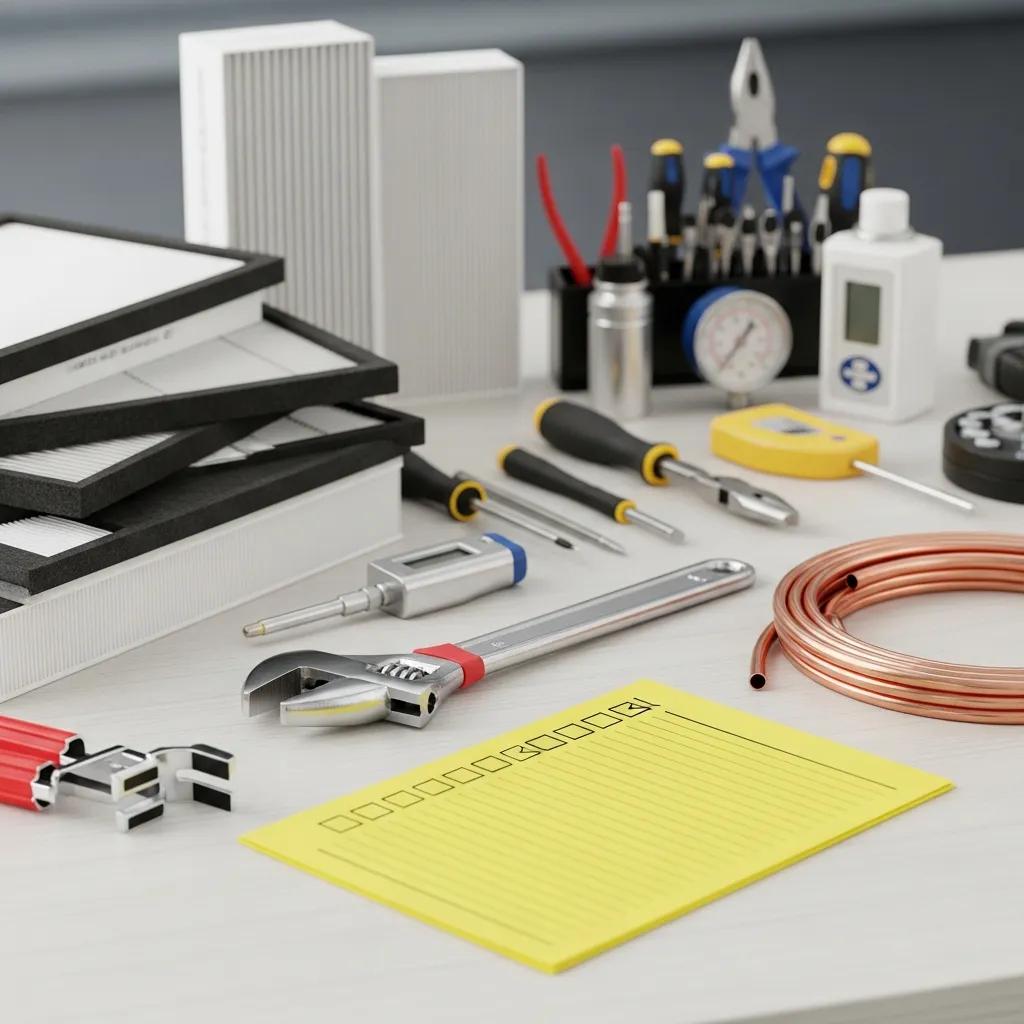
Regular maintenance preserves efficiency and prevents failures. Key tasks include:
- Change Air Filters : Replace filters every 1–3 months based on usage to keep airflow steady.
- Inspect Ductwork : Look for visible leaks, disconnected sections, or heavy buildup.
- Check Thermostat Settings : Verify schedules and sensor performance; consider a smart thermostat for savings.
These simple actions reduce wear, improve comfort, and can lower energy use.
How Often Should HVAC Systems Be Serviced for Optimal Performance?
Recommended service includes an annual professional inspection, filter changes quarterly for typical use, and tune-ups every 1–2 years for older or high-use systems.
What Are the Benefits of Regular Duct Cleaning and Sealing?
Cleaning and sealing ducts improves indoor air quality, reduces distribution losses, and helps the system deliver conditioned air more efficiently.
- Improved Air Quality : Removes dust and allergens that circulate through the home.
- Enhanced System Efficiency : Sealing prevents conditioned air loss in unconditioned spaces.
- Energy Savings : Efficient air distribution reduces runtime and energy use.
What Are the Common Signs of HVAC System Failure to Watch For?
Watch for warning signs so you can act before a small issue becomes major:
- Unusual Noises : Grinding, squealing, or banging indicate mechanical problems.
- Inconsistent Heating or Cooling : Uneven rooms or frequent cycling signal performance issues.
- Rising Energy Bills : Unexpected increases often mean reduced efficiency or failing components.
Early detection and repair generally cost less than full component replacement.
How Can Homeowners Identify When to Replace Their HVAC System?
Consider replacement when age, repair frequency, or performance declines make continued operation uneconomical.
- Age of the System : Systems near or past their expected lifespan (15–25 years) often justify replacement.
- Frequent Repairs : Repeated failures suggest a new system may be more cost-effective.
- Visible Damage : Rust, corrosion, or major leaks are indicators to evaluate replacement.
Follow retrofit best practices to ensure efficient, code-compliant upgrades.
When considering a replacement or upgrade, adhere to residential HVAC retrofit best practices to maximize efficiency gains.
Residential HVAC Retrofit Best Practices for Energy Efficiency
ABSTRACT: This best practices guide for residential HVAC system retrofits is aimed at contractors who want guidance on delivering energy efficient, cost effective and innovative products. It has been developed around the idea of having packages of changes to the building HVAC system and building envelope that are climate and house construction dependent. These packages include materials, procedures and equipment and are designed to remove some of the guesswork from a builder, contractor, installer or homeowner decisions about how best to carry out HVAC changes. The packages are not meant to be taken as rigid requirements–instead they are systems engineered guidelines that form the basis for energy efficient retrofits. Similar approaches have been taken previously for new construction to develop extremely energy efficient homes that are comfortable safe and durable, and often cost less than standard construction. This is best epitomized by the Building America program whose partners have built t
Best practices guide for residential HVAC Retrofits, IS Walker, 2003
What Are the Impacts of Neglecting HVAC Repair and Maintenance?
Skipping maintenance increases energy use, leads to more breakdowns, and can worsen indoor air quality.
- Increased Energy Bills : Inefficient or clogged equipment uses more power.
- Frequent Breakdowns : Deferred maintenance often results in unplanned failures.
- Poor Indoor Air Quality : Dirty filters and ducts circulate pollutants and allergens.
Regular servicing prevents many common problems and extends equipment life.
Frequently Asked Questions
What is the average lifespan of an HVAC system?
Most residential HVAC systems last about 15–25 years; proper maintenance and prompt repairs can extend useful life.
How can I improve the energy efficiency of my existing HVAC system?
Change filters regularly, seal ducts, improve insulation, and add a programmable or smart thermostat; consider variable-speed components when replacing major parts.
What are the benefits of using a smart thermostat?
Smart thermostats reduce runtime by learning schedules and enabling setbacks, offer remote control, and provide usage data that helps cut energy costs.
Are there any government incentives for upgrading to energy-efficient HVAC systems?
Many jurisdictions and utilities offer tax credits or rebates for qualifying equipment; check local programs and ENERGY STAR listings for eligible models.
What should I do if my HVAC system is making unusual noises?
Stop using the system if noises are severe, then schedule a professional inspection—noises often point to loose parts or failing motors that benefit from timely repair.
How can I ensure my HVAC system is environmentally friendly?
Choose high-efficiency or ENERGY STAR-rated equipment, maintain it regularly, seal the building envelope, and consider pairing systems with renewable energy when feasible.
Conclusion
Upgrading to and maintaining an energy-efficient HVAC system reduces energy use, improves comfort, and cuts long-term costs. Use this guide to evaluate options, compare quotes, and maintain equipment for reliable, efficient performance.