Spring HVAC Maintenance: Essential Air Conditioner Tune-Up and Energy Efficiency Tips for Homeowners
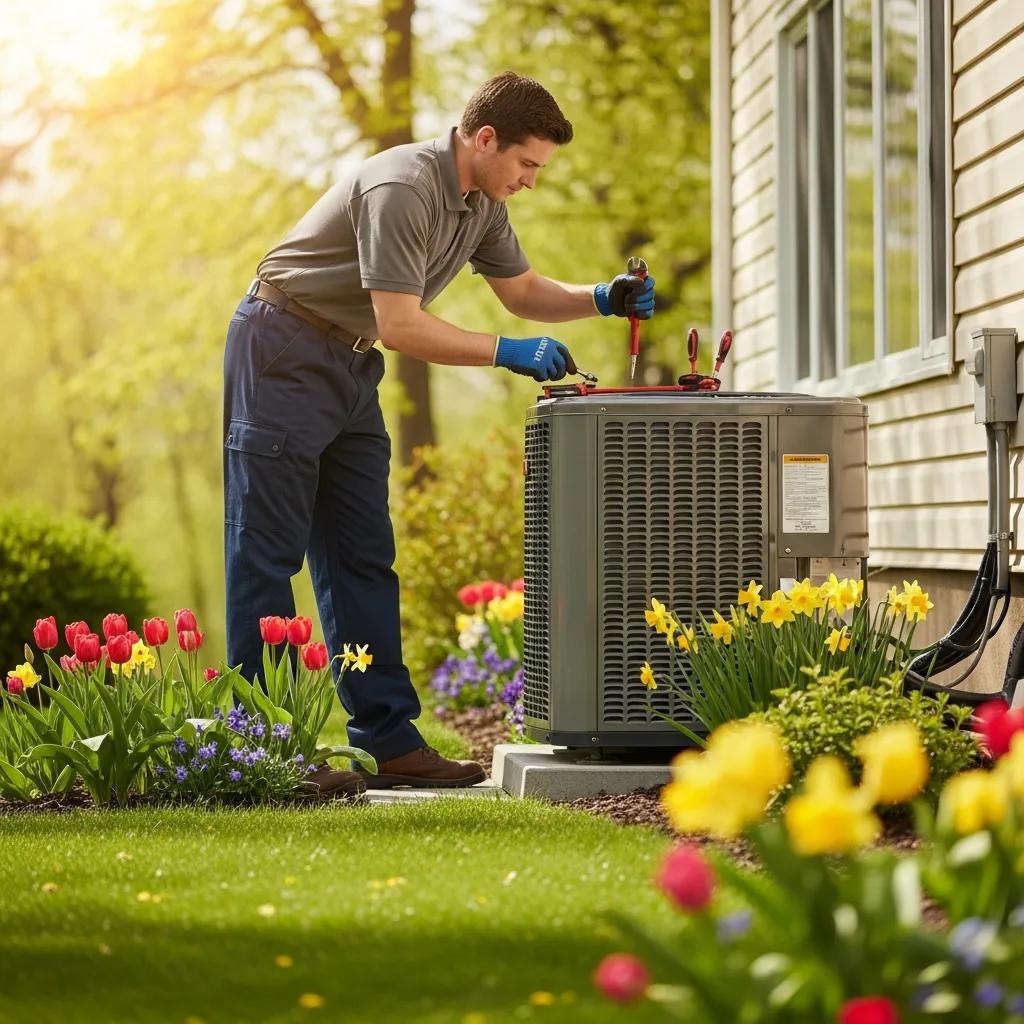
As the winter chill fades and spring approaches, homeowners are reminded of the importance of preparing their HVAC systems for the warmer months ahead. Spring is an ideal time for HVAC maintenance, as it allows homeowners to ensure their air conditioning units are functioning optimally before the heat of summer sets in. This article will explore the significance of spring HVAC maintenance, the benefits of a thorough tune-up, and essential tips for enhancing energy efficiency in your home. By understanding the critical tasks involved in HVAC maintenance, homeowners can prevent costly repairs and improve their overall comfort.
In this guide, we will cover why spring is the best time for HVAC maintenance, how seasonal changes affect HVAC systems, the benefits of a spring tune-up, and a comprehensive checklist for homeowners. Additionally, we will discuss how to choose energy-efficient air conditioning systems and the importance of regular maintenance to maximize energy savings.
Why is Spring the Best Time for HVAC Maintenance?
Spring is the perfect season for HVAC maintenance due to several key factors. First, it allows homeowners to prepare their systems for the upcoming summer heat, ensuring that air conditioning units are ready to perform efficiently. Second, spring maintenance helps identify potential issues before they escalate into costly repairs, allowing for timely interventions. Lastly, regular maintenance during this season can significantly improve the efficiency of HVAC systems, leading to lower energy bills and enhanced comfort.
By scheduling maintenance in the spring, homeowners can take advantage of the milder weather, making it easier for technicians to perform necessary inspections and repairs. This proactive approach not only extends the lifespan of HVAC systems but also ensures that they operate at peak performance when they are needed most.
How Does Seasonal Change Affect HVAC Systems?
Seasonal changes can have a significant impact on the performance and efficiency of HVAC systems. As temperatures fluctuate, HVAC systems must work harder to maintain comfortable indoor conditions. This increased workload can lead to wear and tear on components, making regular maintenance essential.
During the transition from winter to spring, homeowners should be aware of the specific maintenance routines required to prepare their systems for the warmer months. For instance, air conditioning units may require cleaning and inspection to ensure they are free of debris and functioning correctly. Additionally, seasonal changes can affect energy consumption patterns, making it crucial to optimize HVAC systems for efficiency.
Regular inspections during seasonal transitions help identify any necessary repairs or adjustments, ensuring that HVAC systems operate smoothly throughout the year.
What Are the Benefits of a Spring HVAC Tune-Up?
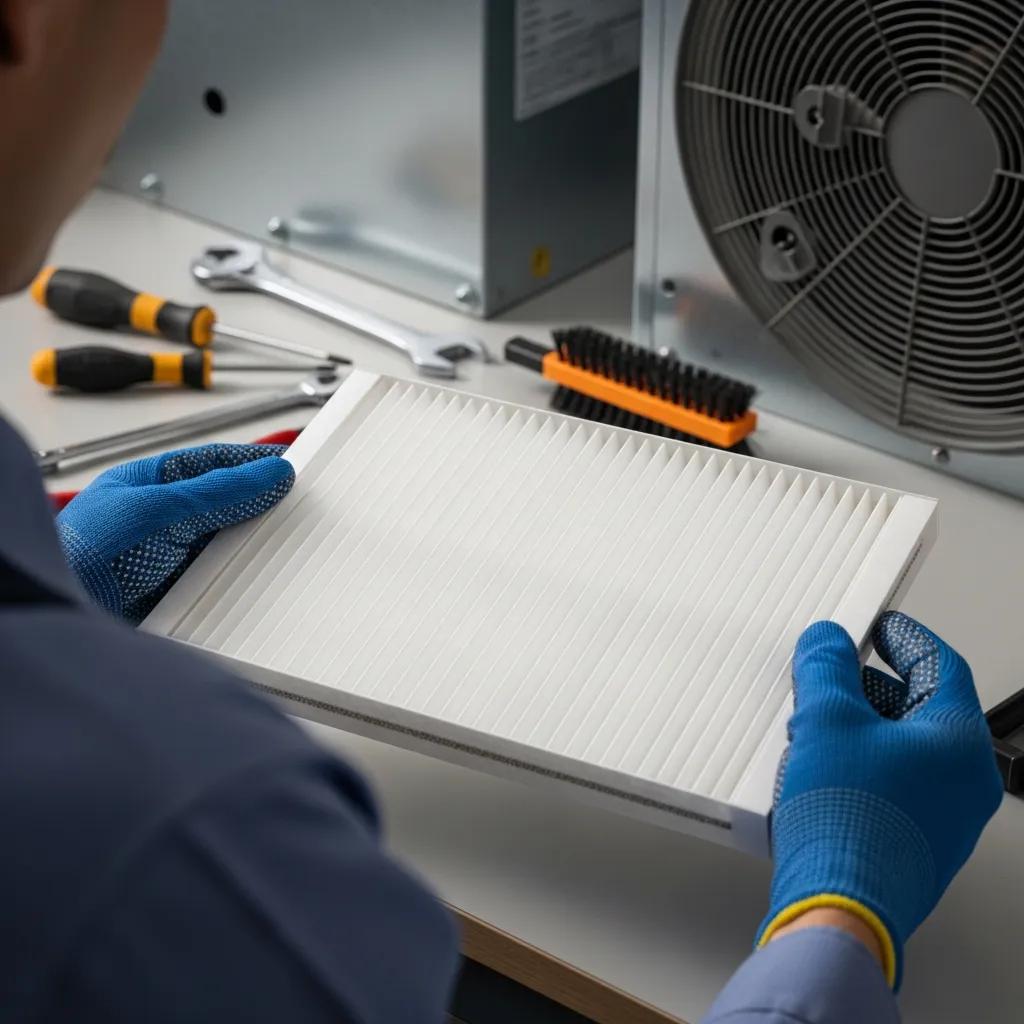
Scheduling a spring HVAC tune-up offers numerous benefits for homeowners. Here are some key advantages:
- Identifying Potential Issues: A thorough inspection can uncover hidden problems that may lead to costly repairs if left unaddressed.
- Improved Efficiency: Regular maintenance ensures that HVAC systems operate at peak efficiency, reducing energy consumption and lowering utility bills.
- Cost Savings: By preventing major breakdowns and extending the lifespan of HVAC systems, homeowners can save money on repairs and replacements.
These benefits highlight the importance of investing in a spring HVAC tune-up, as it not only enhances comfort but also contributes to long-term savings.
Indeed, studies confirm that regular HVAC tune-ups are among the most effective strategies for achieving significant energy savings.
Cost-Effective Energy Savings with HVAC Tune-Ups
energy savings resulting from this effort can be expected to be between 5-15%. The building tune-up process is one of the most cost-effective energy efficiency measures available for existing buildings. Using Custom Programs to Enhance Building Tune-up Efforts, 2020
| Benefit | Description | Impact Level |
|---|---|---|
| Identifying Potential Issues | Early detection of problems can prevent costly repairs. | High |
| Improved Efficiency | Regular maintenance optimizes system performance. | High |
| Cost Savings | Extends the lifespan of HVAC systems, reducing replacement costs. | Medium |
What Does a Comprehensive Spring HVAC Checklist Include?
A comprehensive spring HVAC checklist is essential for ensuring that all necessary maintenance tasks are completed. Homeowners should consider the following key items:
- Inspect and Clean AirFilters: Dirty filters can restrict airflow and reduce efficiency. Regular cleaning or replacement is crucial.
- Check ThermostatSettings: Ensure that the thermostat is functioning correctly and set to the desired temperature.
- Inspect Ductwork: Look for any leaks or blockages in the ductwork that could affect airflow.
By following a detailed checklist, homeowners can ensure that their HVAC systems are well-maintained and ready for the warmer months.
Which Tasks Are Critical for Air Conditioner Tune-Up?
Several critical tasks should be performed during an air conditioner tune-up to ensure optimal performance:
- Changing AirFilters: Regularly changing air filters helps maintain airflow and efficiency.
- Cleaning Coils: Dirty coils can hinder heat exchange, reducing system efficiency.
- Checking RefrigerantLevels: Ensuring proper refrigerant levels is essential for effective cooling.
These tasks are vital for maintaining the efficiency and longevity of air conditioning systems.
How Often Should HVAC Filters and Ducts Be Replaced or Cleaned?
The frequency of HVAC filter and duct maintenance depends on several factors, including usage and environmental conditions. Generally, homeowners should:
- Replace AirFilters: Every 1-3 months, depending on usage and filter type.
- Clean Ducts: Every 3-5 years, or more frequently if there are signs of dust buildup or allergens.
Regular maintenance of filters and ducts is crucial for ensuring optimal airflow and indoor air quality.
How to Choose Energy Efficient Air Conditioning for Spring and Summer?
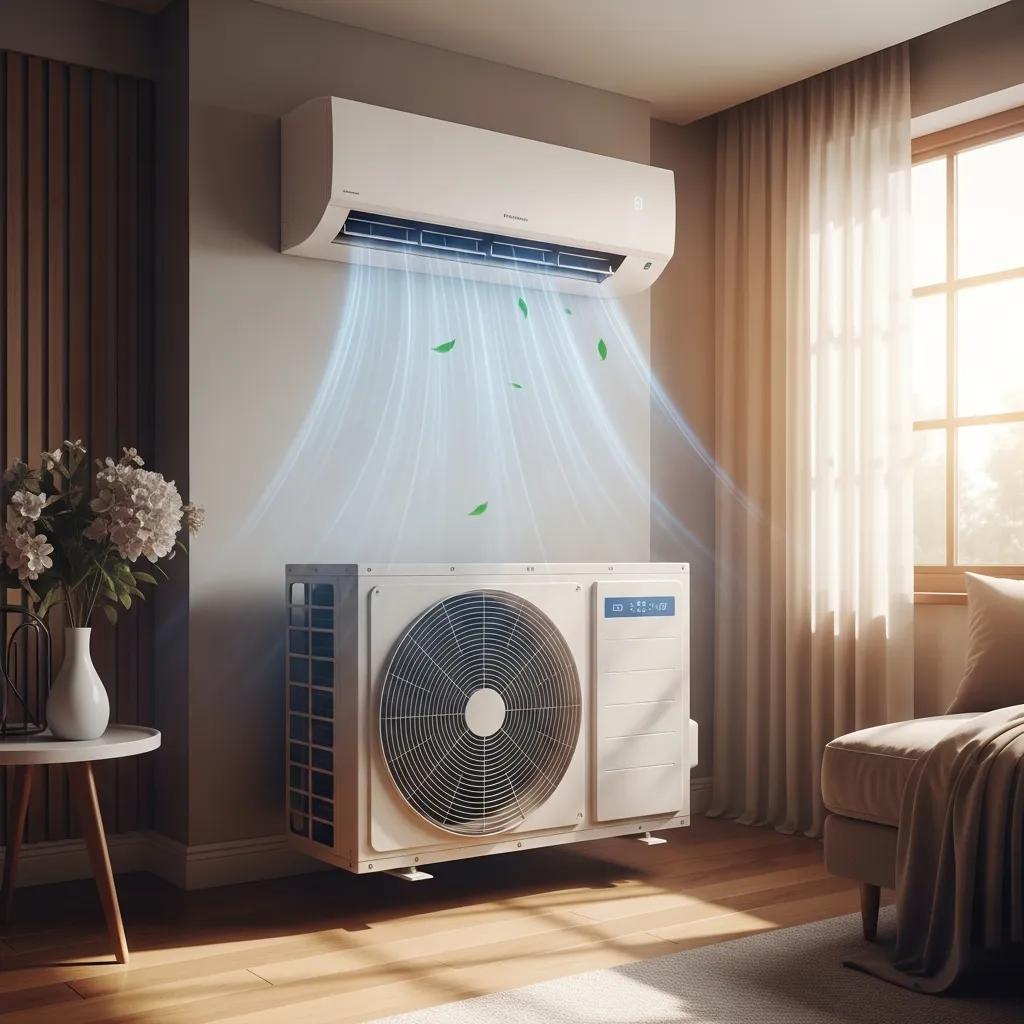
Choosing an energy-efficient air conditioning system is essential for maximizing comfort and minimizing energy costs. Homeowners should consider the following tips:
- Understand SEER Ratings: Look for systems with a high Seasonal Energy Efficiency Ratio (SEER) rating, which indicates better energy efficiency.
- Regular MaintenanceImportance: Ensure that the chosen system can be easily maintained to sustain efficiency over time.
- Upgrading Components: Consider upgrading to smart thermostats or variable speed compressors for enhanced efficiency.
By selecting an energy-efficient air conditioning system, homeowners can enjoy significant savings on their energy bills while maintaining a comfortable indoor environment.
What Features Define Energy Efficient Air Conditioners?
Energy-efficient air conditioners typically possess several key features that enhance their performance:
- High SEER Ratings: Systems with higher SEER ratings consume less energy while providing the same cooling output.
- Variable Speed Compressors: These compressors adjust their speed based on cooling demand, improving efficiency.
- Smart ThermostatIntegration: Smart thermostats allow for better temperature control and energy management.
These features contribute to the overall efficiency and effectiveness of air conditioning systems, making them a worthwhile investment for homeowners.
Understanding the different types of air conditioning systems available, particularly those with variable speed compressors, is crucial for making informed decisions about energy efficiency.
Residential HVAC Systems: Efficiency & Comfort
Homeowners in the United States can generally choose among three types of air conditioning systems: fixed-speed compressor systems that cycle on and off to deliver an average cooling capacity; fixed-speed / multi-capacity compressor systems with reduced cycling; and variable speed compressor systems that match the cooling load of the household, thereby delivering better temperature and humidity control with higher efficiency and comfort levels. While HVAC systems account for about 45% of the energy consumption in U.S. homes and variable speed compressor systems can achieve significantly higher efficiency, they only account for 10% of the market and systems installed in new buildings mostly remain single speed.
Seasonal energy efficiency rating improvement of residential HVAC systems using a low power inverter with a PSC compressor, N Salts, 2018
How Can Energy Savings Impact Your Home Budget?
Investing in energy-efficient HVAC systems can have a significant positive impact on a homeowner’s budget. Here are some key insights:
- Potential Savings on Utility Bills: Energy-efficient systems can reduce monthly energy costs, leading to substantial savings over time.
- Rebates and Incentives: Many utility companies offer rebates for upgrading to energy-efficient systems, further enhancing savings.
By prioritizing energy efficiency, homeowners can enjoy a more comfortable living environment while also benefiting financially.
When and How to Schedule HVAC Repair Services in North West Indiana?
Scheduling HVAC repair services in North West Indiana requires careful consideration. Homeowners should:
- Contact Local Providers: Research and reach out to trusted HVAC service providers in the area.
- Provide ServiceDetails: Clearly communicate the issues being experienced to ensure accurate assessments.
- Request Estimates: Obtain estimates from multiple providers to compare pricing and services.
By following these steps, homeowners can ensure they receive quality service and fair pricing for their HVAC repair needs.
What Are Common Spring HVAC Repair Issues?
As spring approaches, homeowners may encounter several common HVAC repair issues, including:
- ThermostatSettings: Incorrect thermostat settings can lead to inefficient cooling.
- AirFilter Maintenance: Neglecting to change air filters can result in reduced airflow and system strain.
- RefrigerantLevel Checks: Low refrigerant levels can hinder cooling performance.
Being aware of these issues allows homeowners to address them promptly and maintain optimal HVAC performance.
How to Find Trusted Local HVAC Repair Services?
Finding reliable HVAC repair services is crucial for ensuring quality maintenance and repairs. Homeowners should consider the following tips:
- Researching Online: Utilize online resources to find local HVAC providers and read customer reviews.
- Checking Credentials: Verify that the service provider is licensed and insured.
- Reading Customer Reviews: Look for feedback from previous customers to gauge the quality of service.
By following these steps, homeowners can find trusted HVAC repair services that meet their needs.
What Are Practical Summer Cooling Tips After Spring HVAC Preparation?
After preparing HVAC systems for spring, homeowners can implement several practical tips for summer cooling:
- Adjust Indoor AirflowSettings: Optimize airflow by adjusting vents and registers.
- Using Fans: Ceiling fans can help circulate cool air and reduce reliance on air conditioning.
- Implementing Window Treatments: Use shades or curtains to block out heat during the hottest parts of the day.
These tips can help homeowners maintain a comfortable indoor environment while minimizing energy consumption.
How Do Air Coolers Complement Your HVAC System?
Air coolers can serve as a valuable complement to HVAC systems, particularly during the warmer months. They work by:
- Improving AirCirculation: Air coolers enhance airflow, helping to distribute cool air more evenly throughout the home.
- Reducing Reliance on AC: By using air coolers in conjunction with HVAC systems, homeowners can reduce the load on their air conditioning units, leading to energy savings.
Incorporating air coolers into the overall cooling strategy can enhance comfort and efficiency.
What Maintenance Steps Ensure Optimal Summer Cooling?
To ensure optimal summer cooling, homeowners should follow these maintenance steps:
- Inspecting and Cleaning Filters: Regularly check and clean air filters to maintain airflow.
- Checking RefrigerantLevels: Ensure that refrigerant levels are adequate for effective cooling.
- Scheduling Professional Maintenance: Consider scheduling a professional maintenance check to address any potential issues.
By following these steps, homeowners can enjoy a cool and comfortable summer while maximizing the efficiency of their HVAC systems.
For more information on maintaining your HVAC system and ensuring it’s ready for spring, visit Furnace Exchange. They offer a range of services to help you keep your system running smoothly.
Frequently Asked Questions
What should I do if my HVAC system is not cooling properly after spring maintenance?
If your HVAC system is not cooling effectively after spring maintenance, first check the thermostat settings to ensure they are correct. Next, inspect the air filters; dirty filters can restrict airflow and reduce cooling efficiency. Additionally, verify that the outdoor unit is free of debris and that the refrigerant levels are adequate. If these steps do not resolve the issue, it may be time to contact a professional HVAC technician for a thorough inspection and repair.
How can I improve indoor air quality during the spring and summer months?
Improving indoor air quality during the warmer months involves several strategies. Regularly changing or cleaning air filters is crucial, as it helps maintain airflow and reduces allergens. Additionally, consider using air purifiers to filter out pollutants and allergens. Keeping windows closed during high pollen seasons and using exhaust fans in kitchens and bathrooms can also help. Lastly, ensure proper ventilation throughout your home to promote fresh air circulation.
Are there any DIY maintenance tasks I can perform on my HVAC system?
Yes, homeowners can perform several DIY maintenance tasks to keep their HVAC systems running efficiently. Regularly check and replace air filters, clean the outdoor unit by removing debris, and ensure that vents are unobstructed. You can also inspect the thermostat settings and calibrate them if necessary. However, for more complex tasks, such as checking refrigerant levels or electrical components, it’s best to consult a professional technician.
What are the signs that my HVAC system needs repair?
Common signs that your HVAC system may need repair include unusual noises, such as banging or hissing, which can indicate mechanical issues. Additionally, if you notice inconsistent temperatures throughout your home or an increase in energy bills without a change in usage, these may be signs of inefficiency. Lastly, if the system frequently cycles on and off or fails to cool or heat effectively, it’s time to schedule a professional inspection.
How can I maximize energy efficiency during the summer months?
To maximize energy efficiency during summer, consider setting your thermostat to a higher temperature when you are not home. Use ceiling fans to help circulate cool air and reduce reliance on the air conditioning system. Additionally, close blinds or curtains during the hottest parts of the day to block out heat. Regular maintenance, such as cleaning filters and ensuring proper refrigerant levels, will also help your HVAC system operate more efficiently.
What are the benefits of using a programmable thermostat?
Using a programmable thermostat offers several benefits, including enhanced energy efficiency and convenience. These devices allow you to set specific temperatures for different times of the day, ensuring that your HVAC system operates only when needed. This can lead to significant savings on energy bills. Additionally, many programmable thermostats can be controlled remotely via smartphone apps, allowing you to adjust settings even when you are not at home.
How often should I schedule professional HVAC maintenance?
It is recommended to schedule professional HVAC maintenance at least once a year, ideally in the spring before the cooling season begins. This annual check-up allows technicians to perform thorough inspections, clean components, and identify potential issues before they escalate. For homes with heavy usage or specific concerns, such as pets or allergies, more frequent maintenance may be beneficial. Regular professional care helps ensure optimal performance and longevity of your HVAC system.
Conclusion
Spring HVAC maintenance is essential for ensuring your air conditioning system operates efficiently and effectively throughout the warmer months. By investing in a thorough tune-up, homeowners can identify potential issues, improve energy efficiency, and save on costly repairs. Prioritize your comfort and savings by scheduling your HVAC maintenance today. Explore our expert services to keep your home cool and comfortable all summer long.