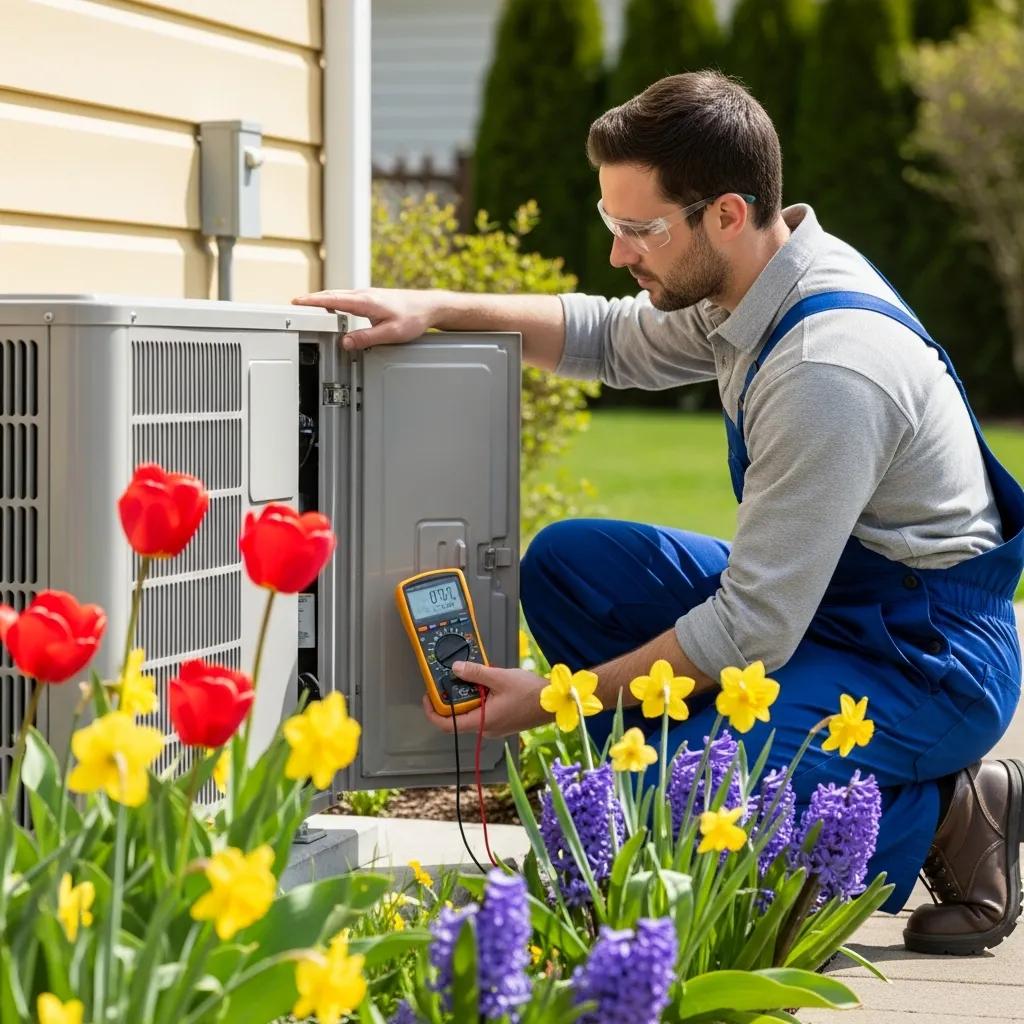
Spring Tune Up: Essential HVAC Maintenance for Reliable Heating and Cooling
A spring tune-up prepares heating and cooling systems for seasonal use, improves efficiency, and helps prevent unexpected repairs. Below are the core tune-up tasks, suggested schedules, and the main benefits homeowners should expect.
Key Tasks Involved:
A spring tune-up focuses on a few critical actions to keep systems running well:
- Inspecting and Cleaning Air Filters : Replace or clean filters to maintain airflow and reduce energy use.
- Checking Thermostat Settings : Verify thermostat operation and program settings to avoid wasted runtime.
- Inspecting Ductwork : Look for leaks or blockages and seal or clear ducts as needed.
These basic tasks have the biggest immediate impact on comfort and efficiency.
Further advancements in HVAC diagnostics and improvement tools continue to evolve, offering more sophisticated ways to enhance system performance.
Comprehensive HVAC Diagnostic & Improvement Tools
Proctor Engineering Group, Ltd. (PEG) and Carrier-Aeroseal LLP performed an investigation of opportunities for improving air conditioning and heating system performance in existing light commercial buildings. Comprehensive diagnostic and improvement tools were created to address equipment performance parameters (including airflow, refrigerant charge, and economizer operation), duct-system performance (including duct leakage, zonal flows and thermal-energy delivery), and combustion appliance safety within these buildings. This investigation, sponsored by the National Energy Technology Laboratory, a division of the U.S. Department of Energy, involved collaboration between PEG and Aeroseal in order to refine three technologies previously developed for the residential market: (1) an aerosol-based duct sealing technology that allows the ducts to be sealed remotely (i.e., without removing the ceiling tiles), (2) a computer-driven diagnostic and improvement-tracking tool for residential duct
Comprehensive Diagnostic and Improvement Tools for HVAC-System Installations in Light Commercial Buildings, 2004
Recommended Schedules for Maintenance:
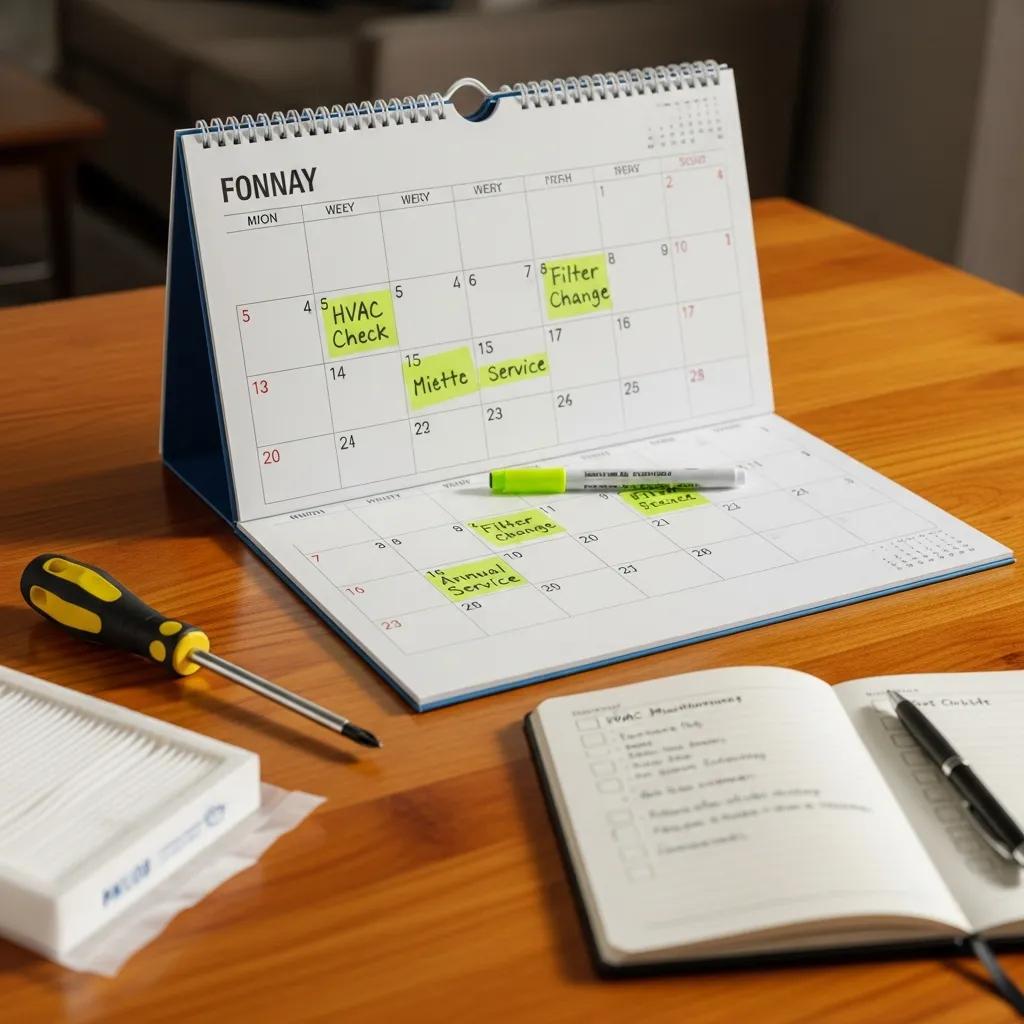
Set a simple schedule and stick to it; below is a practical recommendation:
| Service Type | Frequency | Benefits |
|---|---|---|
| Inspect air filters | Monthly | Ensures airflow and efficiency |
| Replace air filters | Every 1-3 months | Reduces system strain and improves air quality |
| Clean ducts | Every 3-5 years* | Improves delivery and indoor air |
Following this schedule helps avoid repairs and keeps systems running smoothly.
*Depending on usage and local conditions.
Potential Benefits of Regular HVAC Upkeep:
Regular maintenance delivers measurable benefits beyond comfort, including:
- Improved Efficiency : Systems run closer to peak performance, lowering energy use.
- Cost Savings : Preventative work reduces the chance of expensive repairs.
- Identifying Potential Issues : Early detection prevents breakdowns during peak seasons.
For homeowners in Northwest Indiana, Furnace Exchange LLC provides local HVAC services to keep systems maintained and efficient.
What Does a Comprehensive Spring Tune Up Include?
A complete tune-up covers inspections, a checklist of checks, and testing key components for safe, reliable operation.
- Visual Inspections : Scan components for wear or obvious faults.
- Multi-Point Checklist : Follow a checklist to verify system functions.
- Key Components Checked : Inspect compressor, coils, electrical connections, and controls.
How Is Furnace Inspection Performed During a Tune Up?
Furnace inspection follows a step-by-step check of safety and performance items, including the heat exchanger, burners, ignition, and controls.
- Visual Inspections : Look for corrosion, leaks, or soot.
- Multi-Point Checklist : Confirm safety switches and airflow.
- Key Components Checked : Test ignition, safety controls, and venting.
What Are the Key Steps in Air Conditioner Service?
AC service targets airflow, heat transfer, and refrigerant levels to restore cooling capacity and efficiency.
- Changing Air Filters : Maintain proper airflow.
- Cleaning Coils : Improve heat exchange.
- Checking Refrigerant Levels : Verify charge and look for leaks.
Why Is Regular HVAC Maintenance Important for Energy Efficiency?
Routine maintenance keeps components clean and calibrated so systems use less energy and last longer, which lowers utility costs and delays replacement.
How Does System Cleaning Improve HVAC Performance?
Removing dust and debris from coils, fans, and ducts improves airflow and heat transfer, increasing efficiency and indoor air quality.
What Are the Benefits of Seasonal Heating System Tune Up?

Seasonal tune-ups can improve reliability and comfort while reducing operating costs when done consistently.
However, research suggests that the efficiency gains from some heating system tune-ups may not always meet expectations.
Heating System Tune-Up Efficiency Evaluation
Oak Ridge National Laboratory conducted a two-year field test involving over 300 homes to evaluate the US Department of Energy Weatherization Assistance Program for low-income fuel-oil-heated houses. One conclusion was that houses receiving oil-burner clean and tune-ups did not increase in system steady-state efficiency any more than a similar group of weatherized and control houses not receiving clean and tune-ups. A set of oil-burner performance goals proposed by the Alliance to Save Energy were not attained by most of the tuned-up oil systems, thereby not achieving a major benefit of heating-system programs from current implementation methods.
Are heating-system retrofit and tune-up programs really increasing the efficiency of oil-fired systems?, MP Ternes, 1994
- Improved Efficiency : Proper checks help systems deliver expected performance.
- Cost Savings : Preventative work can lower bills and repair costs.
- Enhanced Performance : Consistent maintenance supports even heating and comfort.
How Often Should You Schedule a Spring Tune Up for Your HVAC System?
Schedule a spring tune-up at least once a year, ideally before the cooling season, to ensure reliable performance when demand rises.
What Factors Affect HVAC Maintenance Frequency?
Frequency depends on system age, household usage, and manufacturer recommendations; older or heavily used systems typically need more frequent attention.
How to Plan Your HVAC Service Schedule in Northwest Indiana?
Plan around seasons, choose reputable local providers, and keep a simple checklist to track completed tasks and dates.
- Identify Seasonal Timing : Book service before peak use.
- Select Local Service Providers : Pick licensed, reviewed technicians.
- Create a Maintenance Checklist : Note tasks, dates, and findings.
What Are the Typical Costs and Scheduling Options for Spring Tune Up Services?
Tune-ups commonly cost between $75 and $200 depending on scope; many providers offer one-time visits or annual plans for ongoing savings.
How to Get a Free Estimate for HVAC Maintenance?
Contact local companies that advertise free estimates, provide system details, and schedule an assessment to receive a no-cost quote.
- Identify Service Providers : Research local options.
- Contact the Provider : Request an on-site assessment.
- Prepare Necessary Information : Have system model and service history ready.
What Should You Expect During a Professional Tune Up Appointment?
Appointments usually include a systematic inspection, basic maintenance tasks, and a brief report on findings; most visits last one to two hours.
- Specific Tasks Performed : Inspection, filter change, and basic adjustments.
- Duration of the Service : Typically 1–2 hours depending on issues.
- Preparatory Steps Homeowners Should Take : Clear access to the unit and note any recent issues.
Frequently Asked Questions
What are the signs that my HVAC system needs maintenance?
Look for odd noises, uneven temperatures, higher bills, weak airflow, or unfamiliar odors — any of these warrant an inspection.
Can I perform HVAC maintenance myself?
Homeowners can handle simple tasks like filter changes and vent cleaning; for inspections, refrigerant work, or electrical repairs, hire a licensed technician.
How can I improve indoor air quality through HVAC maintenance?
Change filters regularly, clean ducts as needed, and consider professional cleanings or air-purifying additions for persistent issues.
What should I do if my HVAC system breaks down?
Turn the system off, check power and thermostat settings, then contact a licensed technician and provide recent service history if available.
Are there any energy-efficient upgrades I can make to my HVAC system?
Consider a programmable thermostat, high-efficiency filters, duct sealing, added insulation, or replacing old equipment with a higher-efficiency unit.
How can I find a reliable HVAC service provider?
Ask for local recommendations, review online ratings, confirm licensing and insurance, and compare multiple quotes.
What is the best time of year to schedule HVAC maintenance?
Schedule service in spring and fall before peak cooling or heating seasons for the most effective preventive care.
Conclusion
Regular spring tune-ups are a cost-effective way to keep HVAC systems efficient, safe, and reliable. Schedule annual service, follow a simple maintenance routine, and partner with a qualified provider to protect comfort and reduce long-term costs.