Essential HVAC Maintenance Checklist for Homeowners: How to Keep Your System Efficient and Reliable
By Furance Excahnge, Furnace Exchange
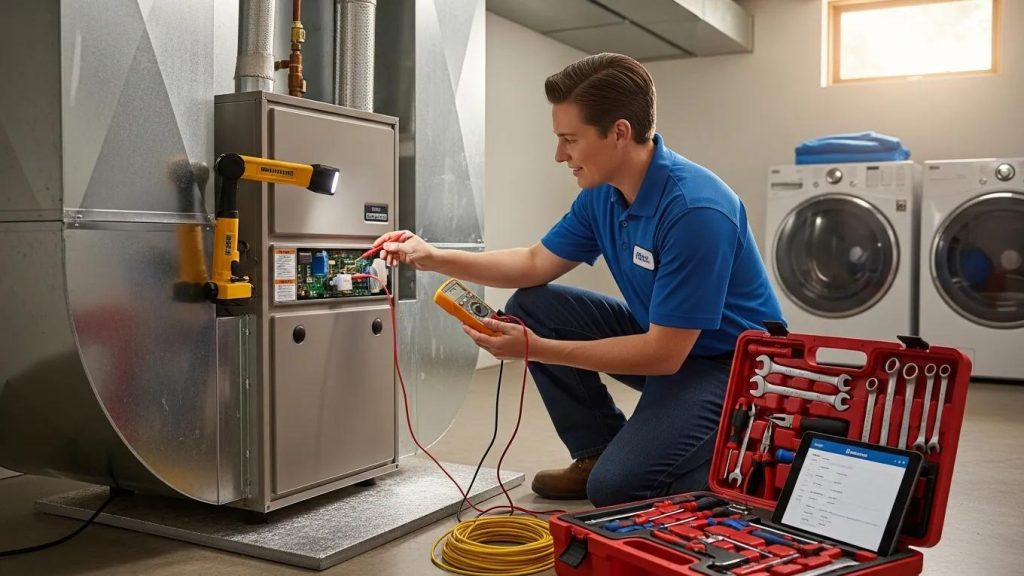
An efficient HVAC system keeps your home comfortable and lowers energy costs. This checklist condenses the key maintenance tasks, service frequencies, troubleshooting tips, repair signs, and benefits of professional care so homeowners can act proactively to protect their systems.
Proactive maintenance and diagnostics increasingly outperform reactive repairs by detecting issues early.
Proactive HVAC Diagnostics for Homeowners
We present a new monitoring and diagnostics model for residential Heating, Ventilation, and Air Conditioning (HVAC) systems. This model will provide a new diagnostics technology system that leverages the latest technology advancements. The model benefits from the cloud computing advantages and offers continuous diagnostic capabilities. Relevant information is then shared with home owners and contractors via e-mail & portals. In this paper we explain the system in more detail by providing actual case studies which demonstrate the value in a proactive maintenance and repair model as supported by time-series data. This contrasts the reactive model that exists today.
HVAC system cloud based diagnostics model, FM Alsaleem, 2014
Key Maintenance Tasks
Focus on a few high-impact tasks you can do yourself or hire a technician to perform:
- Change Air Filters Regularly: Replace every 1–3 months depending on use and indoor conditions.
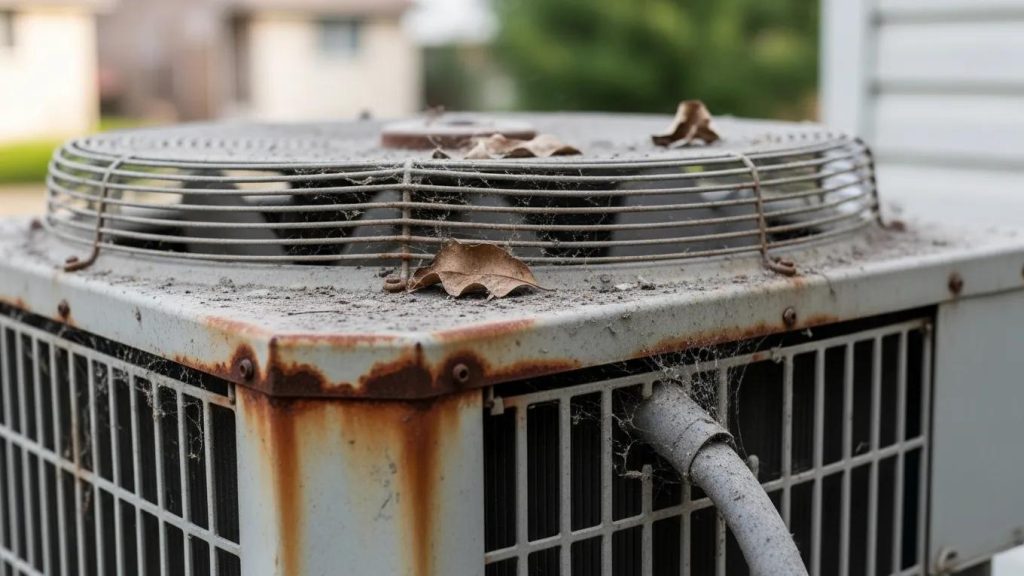
- Clean Condenser Coils: Remove debris and dust at least once a year to keep heat exchange efficient.
- Check Refrigerant Levels: Low refrigerant reduces cooling performance and risks compressor damage; have levels checked if cooling is weak.
These basics preserve airflow, efficiency, and equipment life.
Recommended Service Frequency
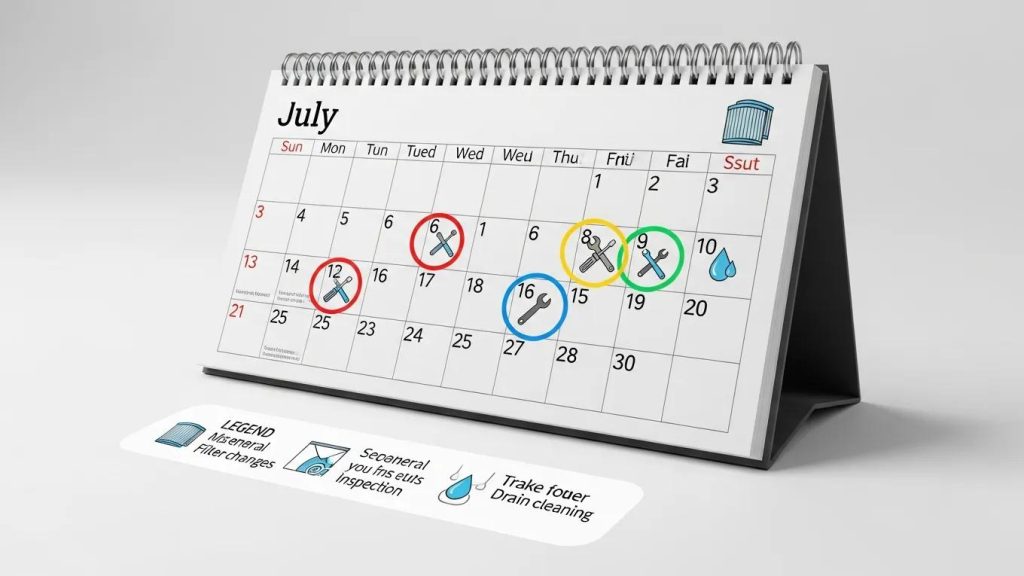
Maintain a simple schedule to avoid surprises. Below is a concise frequency guide:
| Task | Frequency | Importance |
|---|---|---|
| Change air filters | Monthly | Maintains airflow and efficiency |
| Duct inspections | Quarterly | Reduces buildup and improves air quality |
| Professional inspections | Annually | Full system check for safety and performance |
Local providers, such as Furnace Exchange LLC in Northwest Indiana, can perform annual inspections and seasonal tune-ups.
Troubleshooting Tips for Common Issues
Quick checks can resolve many routine problems:
- Listen for Unusual Noises: Grinding or squealing suggests mechanical wear—shut down and call a pro if noises are severe.
- Check for Inconsistent Temperatures: Uneven rooms often point to airflow or duct issues.
- Monitor Energy Bills: A sudden spike often means the system is working harder due to dirty filters, low refrigerant, or failing components.
Addressing small issues early prevents costly repairs.
Signs Your HVAC System Needs Repair
Watch for these clear indicators that professional service is needed:
- Frequent Breakdowns: Repeated failures often mean components are nearing end of life.
- Rising Energy Bills: Inefficiency shows up on your utility bill.
- Strange Odors: Burning smells or musty odors can indicate electrical issues or mold.
If you notice any of the above, schedule a technician inspection.
Benefits of Professional HVAC Maintenance
Professional service provides measurable value:
- Improved Energy Efficiency: Tuned systems use less energy.
- Extended System Lifespan: Early repairs prevent larger failures.
- Enhanced Indoor Air Quality: Proper filtration and cleaning reduce allergens.
Annual professional tune-ups are a cost-effective way to keep systems reliable.
How to Inspect and Replace HVAC Filters Regularly
Filter care is simple but impactful. Basic steps:
- Turn Off the HVAC System before handling filters for safety.
- Locate and Remove the Filter from the air handler or return grille.
- Install the New Filter Correctly following the airflow arrow.
Clean filters prevent airflow restriction and improve efficiency.
Proper filter maintenance reduces energy use and extends filter life.
HVAC Filter Maintenance: Reduce Energy & Extend Life
control and reduced the particulate loading rate on filters in HVAC systems, thus reducing fan energy
Reducing energy consumption and increasing filter life in HVAC systems using an aspiration efficiency reducer: Long-term performance assessment at full-scale, DT Morgan, 2017
Why Cleaning Coils and Components Improves Performance
Coil and component cleaning directly affects how well your system transfers heat:
- Improved Heat Exchange: Clean coils transfer heat more efficiently.
- Increased Efficiency: Less dirt means lower energy use.
- Enhanced Indoor Air Quality: Removing dust and debris reduces allergens.
Regular coil cleaning preserves performance and reduces operating costs.
Studies show coil maintenance is a reliable way to improve energy efficiency and indoor air quality.
HVAC Coil Cleaning: Boost Energy Efficiency & IAQ
processes and help enhance energy and maintenance effectiveness for years to come. including coil cleaning can significantly improve energy efficiency and IAQ performance of the
Study verifies coil cleaning saves energy, 2006
Which Furnace Maintenance Tips Should Homeowners Follow?
Keep your furnace ready for cold weather with a few routine checks:
- Inspect Air Filters Monthly to maintain airflow.
- Clean Ducts Annually to remove dust and debris.
- Check Thermostat Annually for correct operation.
These steps reduce breakdown risk and keep heating efficient.
How to Check and Adjust Your Thermostat Settings
Simple thermostat checks improve comfort and efficiency:
- Verify Thermostat Accuracy using a separate thermometer.
- Adjust Settings for Efficiency—lower in winter, higher in summer when away.
Small adjustments can yield noticeable energy savings.
When to Schedule Professional Furnace Tune-Ups
Schedule professional service at these times:
- Before Heating Season—a fall tune-up prepares the system for winter.
- Annual Inspections to catch small issues early.
Proactive tune-ups reduce emergency calls and improve reliability.
What Does an Air Conditioner Maintenance Checklist Include?
AC maintenance focuses on airflow and heat exchange:
- Change Air Filters regularly.
- Clean Coils to maintain heat transfer.
- Check Refrigerant Levels to ensure proper cooling.
Following this checklist helps keep cooling reliable and efficient.
How to Clean and Maintain AC Condenser Units
Basic condenser care prevents common outdoor problems:
- Turn Off Power before cleaning.
- Clear Debris from around the unit for good airflow.
- Clean Coils gently with a brush or cloth.
Routine outdoor maintenance avoids performance loss and breakdowns.
Why Regular Refrigerant Level Checks Matter
Correct refrigerant is essential for cooling performance:
- Ensures Effective Cooling—proper charge supports heat transfer.
- Prevents System Damage—low refrigerant risks compressor failure.
Have refrigerant checked by a qualified technician when cooling is weak.
When Should You Call a Professional for Preventative HVAC Maintenance?
Contact a technician if you observe any of the following:
- Unusual Noises that indicate mechanical problems.
- Inconsistent Temperatures across rooms.
- Visible Leaks of water or refrigerant.
Professionals can diagnose issues safely and advise on repairs or tune-ups.
Signs Your HVAC System Needs Expert Repair or Service
Experts should inspect systems showing:
- Frequent Cycling (rapid on/off) indicating control or sizing problems.
- Foul Odors suggesting electrical issues or mold.
- Increased Energy Bills without changed usage patterns.
Timely repair reduces the chance of major failures.
How Seasonal Maintenance Extends HVAC Lifespan
Seasonal checks protect equipment and performance:
- Prevents Unexpected Breakdowns by finding wear early.
- Maintains Optimal Performance to reduce wear and operating costs.
Regular seasonal maintenance helps your system last longer and run more efficiently.
Frequently Asked Questions
What are the benefits of using a programmable thermostat?
Programmable thermostats reduce runtime by scheduling temperature changes, saving energy and improving comfort with minimal effort.
How can I improve indoor air quality with my HVAC system?
Change filters frequently, ensure ductwork is sealed and clean, and consider in-duct air cleaners or UV systems to reduce particulates and biological contaminants.
What should I do if my HVAC system is blowing warm air?
Check thermostat mode and filters first. If filters are clean, have refrigerant and system components inspected by a technician.
How often should I have my HVAC system professionally serviced?
Have a pro inspect the system at least once a year—ideally before the heating and cooling seasons.
What are the signs that my HVAC system needs to be replaced?
Frequent breakdowns, rising energy costs, inconsistent temperatures, and systems older than ~15 years that require costly repairs can justify replacement.
Can I perform HVAC maintenance tasks myself?
Yes—filter changes, basic coil cleaning, and condenser debris removal are homeowner tasks. Leave refrigerant, electrical, and major repairs to licensed pros.
What is the importance of duct cleaning?
Duct cleaning removes dust and allergens that circulate through the home, improving air quality and helping the system deliver conditioned air efficiently.
Conclusion
Regular HVAC maintenance—basic homeowner tasks plus annual professional service—keeps systems efficient, improves indoor air, and reduces repair costs. Use this checklist to prioritize actions and contact a qualified provider like Furnace Exchange LLC when you need expert service.