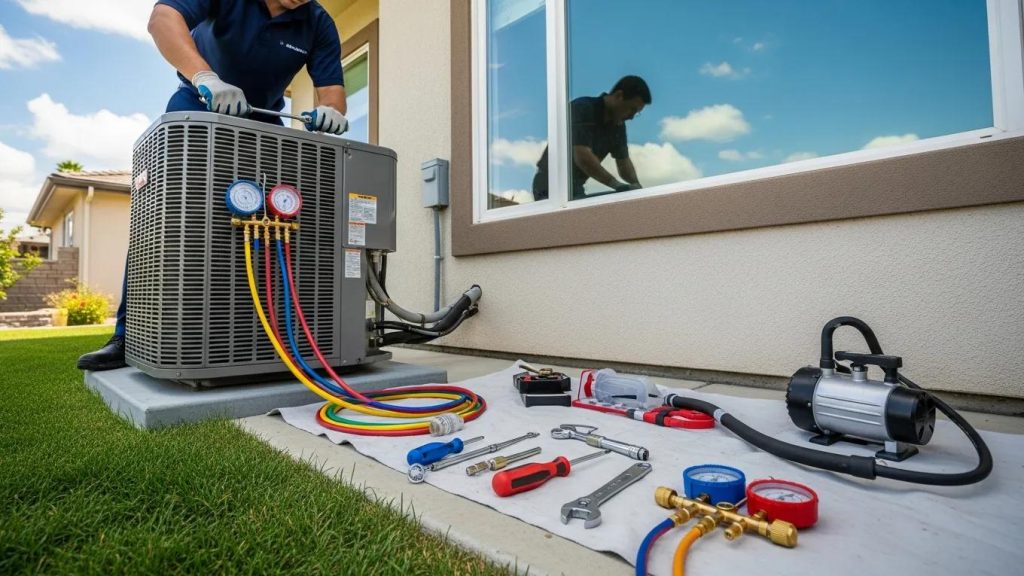
Effective HVAC Repair Services for Managing Summer Heat at 90 Degrees
By Furance Excahnge, Furnace Exchange
As summer temperatures reach 90 degrees and higher, reliable HVAC systems are vital for comfort and lower energy costs. This article summarizes why HVAC repair matters, common AC problems during peak heat, practical maintenance tips, and the advantages of emergency service and energy-efficient equipment.
Significance of HVAC Repair Services
Timely HVAC repair preserves indoor comfort, improves energy efficiency, and extends equipment life. Regular maintenance and quick fixes reduce the risk of costly replacements and keep utility bills in check when heat is extreme.
Common Issues Addressed
Typical summer AC problems include:
- AC Not Blowing Cold Air: Often linked to refrigerant leaks or compressor faults.
- Inconsistent Cooling: May result from ductwork leaks or thermostat issues.
- Increased Energy Bills: Usually a sign the system is overworking due to poor maintenance.
Prompt repairs minimize downtime and restore efficient cooling.
Tips for Maintaining Optimal Cooling Efficiency
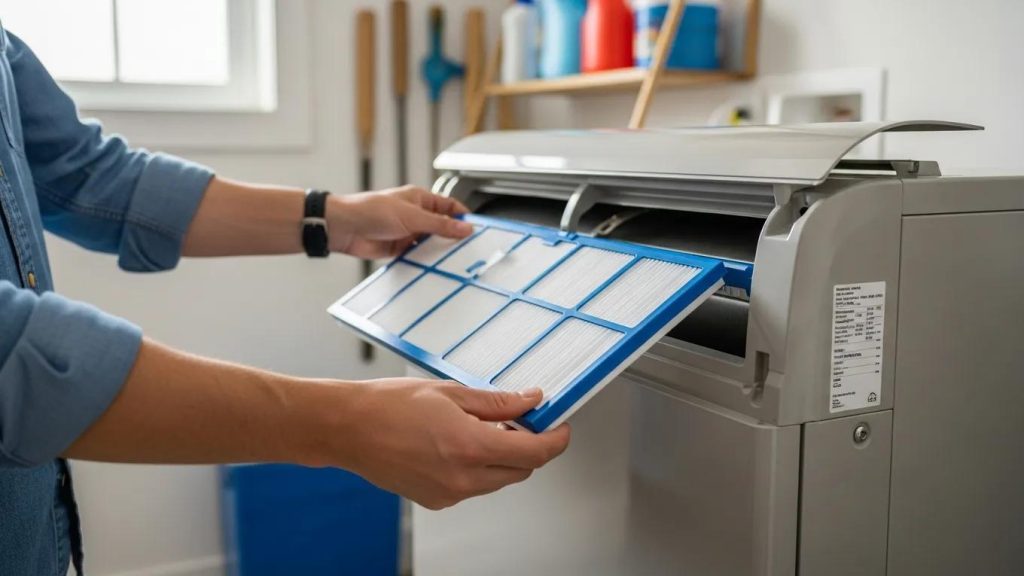
Simple maintenance keeps ACs running efficiently:
- Regular Filter Maintenance: Change or clean filters every 1–3 months.
- Check Refrigerant Levels: Low refrigerant reduces cooling — have a pro check it.
- Professional Inspections: Annual tune-ups catch issues early.
These steps help prolong system life and improve performance. Furnace Exchange LLC provides repair, installation, and maintenance services for Northwest Indiana homeowners.
How Can Emergency AC Repair Help During Extreme 90-Degree Heat?
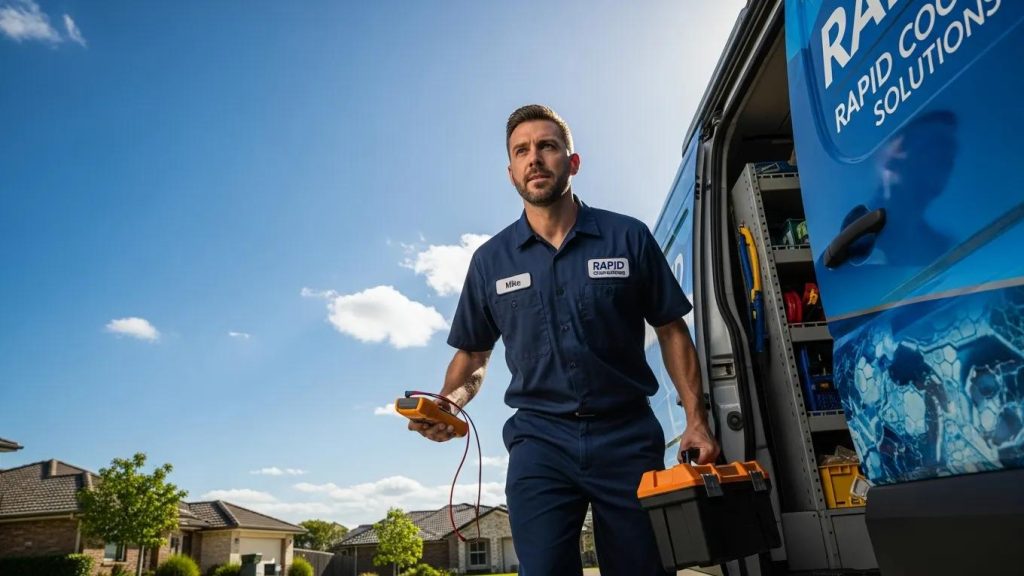
Emergency AC repair offers rapid response to restore cooling and reduce health or comfort risks during heatwaves. Common urgent problems include:
- No Cooling: Restoring cold air quickly prevents unsafe indoor temperatures.
- Unusual Noises: Strange sounds can indicate failing components that need fast attention.
- Increased Energy Bills: Quick diagnostics can stop wasteful operation.
Recognizing Signs Your Air Conditioner Needs Immediate Repair
Watch for these warning signs:
- No Cooling: Running but not cooling often means a refrigerant or compressor issue.
- Unusual Noises: Grinding or banging suggests mechanical trouble.
- Increased Energy Bills: Sudden spikes usually point to inefficiency.
Addressing problems early prevents larger failures and higher repair costs.
What Are the Benefits of Regular Central Air Conditioning Maintenance in Summer?
Seasonal maintenance delivers clear benefits:
- Energy Efficiency: Clean, tuned systems use less energy.
- System Longevity: Routine care extends equipment life.
- Cost Savings: Preventive checks avoid major repairs.
How Seasonal Maintenance Prevents AC Breakdowns in High Temperatures
Key seasonal tasks include:
- Cleaning or Replacing Air Filters: Maintains airflow.
- Checking Refrigerant Levels: Ensures proper cooling capacity.
- Inspecting Ductwork for Leaks: Sealing leaks improves comfort and efficiency.
Following a maintenance schedule reduces the chance of mid-summer breakdowns.
Recommended Maintenance Schedule for Northwest Indiana Homes
Suggested timing:
- Spring: Professional inspection and tune-up before peak heat.
- Mid-Summer: Replace filters and monitor refrigerant.
- Fall: Prepare the system for winter service.
Consistent checks keep systems reliable year-round.
How Do Energy Efficient Air Conditioners Improve Comfort and Reduce Costs at 90 Degrees?
Energy-efficient air conditioners deliver strong cooling with lower energy use. Notable features include:
- High SEER Ratings: Higher SEER means better efficiency.
- Variable Speed Compressors: Match output to demand for steadier temperatures.
- Smart Thermostat Integration: Improves control and reduces waste.
Features of Energy Efficient AC Units Suitable for Summer Heat
- High SEER Ratings: Look for SEER above typical baseline levels.
- Variable Speed Compressors: Smooth temperature control and energy savings.
- Smart Thermostat Integration: Enables schedule-based savings.
These features improve comfort and lower monthly bills versus older standard units.
Comparing Energy Savings: Efficient vs Standard Air Conditioners
Efficient models often use substantially less energy than standard units, translating to lower utility bills and a faster return on investment through ongoing savings.
What Should Homeowners Know About Residential AC Installation for Hot Summers?
Proper installation and system choice are essential for peak summer performance.
Choosing the Right AC System for 90-Degree Weather Conditions
Consider these factors:
- Cooling Capacity: Size the system to the home.
- Energy Efficiency Ratings: Favor higher SEER for savings.
- Professional Installation: Correct installation prevents problems.
Steps Involved in Professional Residential AC Installation
Typical stages:
- Preparation Steps: Assess cooling needs and select a system.
- Installation Process: Install per manufacturer specs and local codes.
- Post-Installation Checks: Verify system performance before completing the job.
Clear communication with installers ensures the system meets your cooling and efficiency goals.
Frequently Asked Questions
What are the signs that my HVAC system needs repair?
Key signs include uneven cooling, unusual noises, and rising energy bills. If the unit runs but doesn’t cool, or if you hear grinding or squealing, schedule an inspection promptly.
How often should I schedule professional HVAC maintenance?
Schedule at least one professional inspection per year, ideally in spring. Also check filters and refrigerant levels every few months to avoid summer failures.
What are the benefits of upgrading to an energy-efficient air conditioner?
Upgrading reduces energy use and monthly bills, improves cooling performance, and often pays back over time through lower operating costs.
Can I perform HVAC maintenance myself, or should I hire a professional?
Homeowners can handle basic tasks like changing filters, but a professional should perform comprehensive inspections and repairs to identify hidden issues.
What should I do if my air conditioner is making strange noises?
Turn off the unit and contact a technician. Noises such as grinding, banging, or squealing often indicate mechanical problems that need prompt repair.
How can I improve the energy efficiency of my existing HVAC system?
Change filters regularly, seal duct leaks, install a programmable or smart thermostat, and have annual professional tune-ups to maintain efficiency.
What factors should I consider when installing a new air conditioning system?
Consider correct sizing, energy efficiency ratings, qualified installation, and features like smart controls to ensure the system runs efficiently in hot weather.
Conclusion
Effective HVAC repair and regular maintenance keep homes comfortable and energy-efficient when temperatures reach 90 degrees. Address common issues early, consider energy-efficient upgrades, and rely on professional service for installation and emergencies to protect comfort and reduce costs.