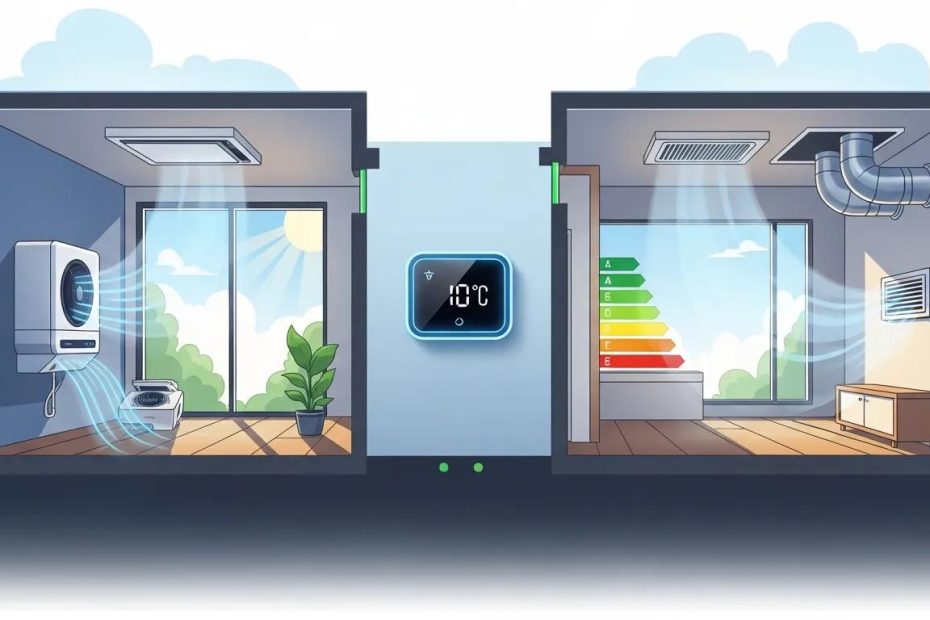
Understanding the Benefits of High-Efficiency HVAC Systems
High-efficiency HVAC systems offer significant advantages for homeowners looking to reduce energy costs and environmental impact. These systems are designed to operate with greater efficiency compared to standard models, leading to lower utility bills and improved comfort levels in the home.
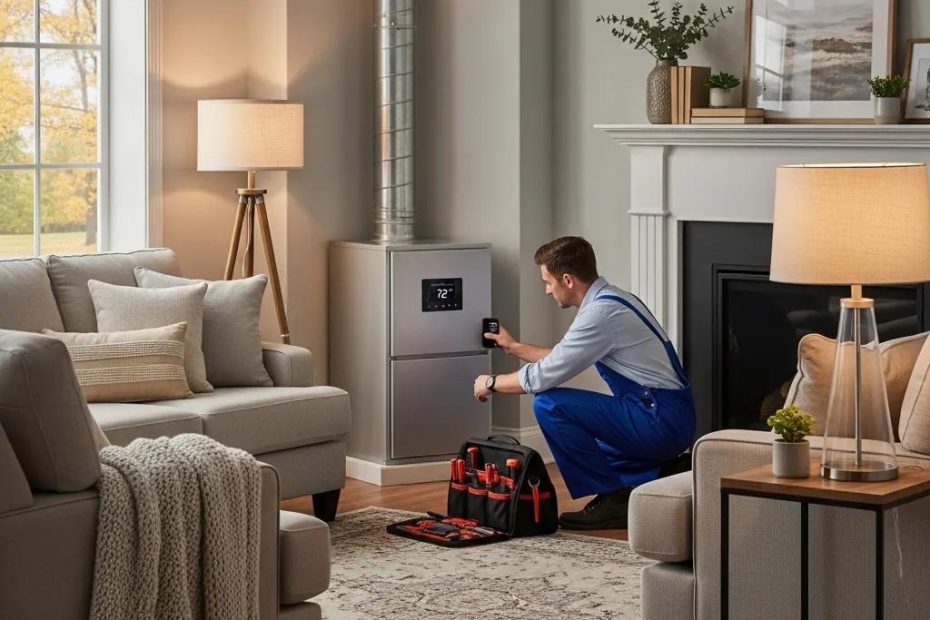
For instance, high-efficiency furnaces can achieve AFUE (Annual Fuel Utilization Efficiency) ratings of 90% or higher, meaning that a substantial portion of the energy consumed is converted into heat. Investing in such systems not only enhances comfort but also qualifies homeowners for various rebates and incentives, making it a financially savvy choice.
Diagnosing Common Air Flow Issues in AC Systems
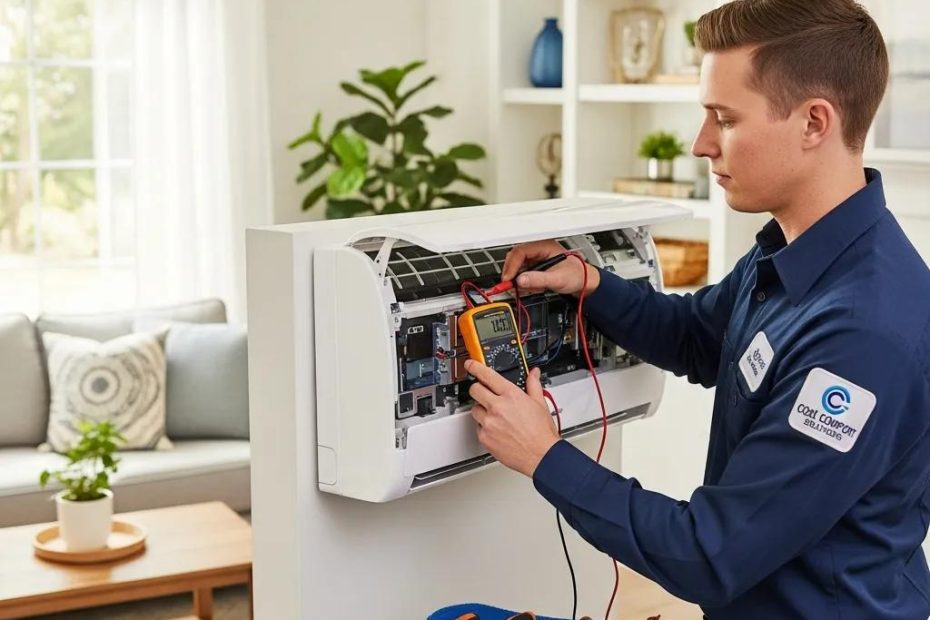
Air flow issues in air conditioning systems can lead to uneven cooling and increased energy consumption. Identifying these problems early can prevent costly repairs and ensure optimal performance of your HVAC system.
Common symptoms of air flow issues include inconsistent temperatures in different rooms, unusual noises from the unit, or inadequate cooling. Homeowners can troubleshoot these problems by checking for clogged filters, blocked ducts, or malfunctioning fans, which are often the culprits behind reduced air flow.
Seasonal HVAC Maintenance Checklist for Homeowners
A seasonal HVAC maintenance checklist is essential for homeowners to ensure their heating and cooling systems operate efficiently year-round. Regular maintenance not only prolongs the lifespan of the equipment but also enhances indoor air quality and system reliability.
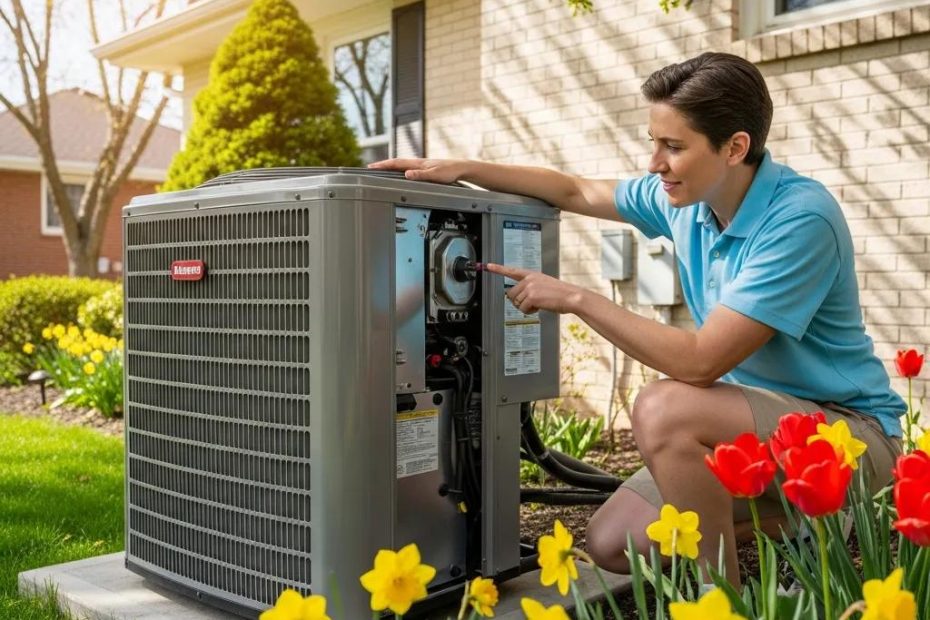
This checklist should include tasks such as changing air filters, cleaning condenser coils, checking thermostat settings, and inspecting ductwork for leaks. By adhering to these maintenance practices, homeowners can avoid unexpected breakdowns and ensure their HVAC systems run at peak performance.
How to Choose the Right HVAC System for Your Home
Selecting the right HVAC system is crucial for maximizing comfort and energy efficiency in your home. Factors to consider include the size of your home, your local climate, and your specific heating and cooling needs.
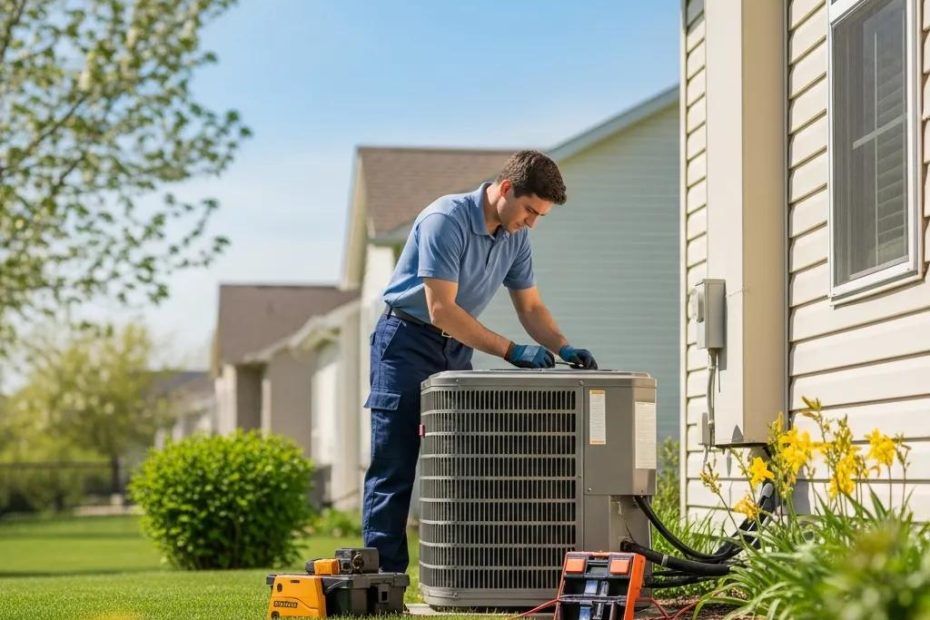
It’s advisable to consult with HVAC professionals who can perform a load calculation to determine the appropriate system size and type. Additionally, exploring options such as central air conditioning, ductless systems, or heat pumps can help homeowners make informed decisions tailored to their unique situations.