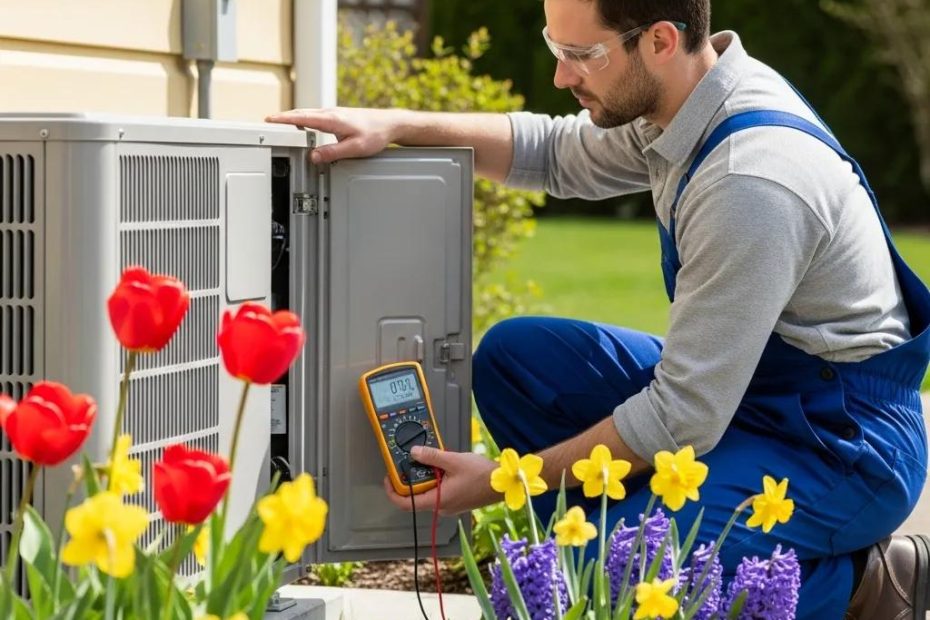
Get Your HVAC Spring Tune-Up Ready for the Season Ahead
Ensure your HVAC system is ready for spring! Schedule a tune-up to enhance efficiency, improve air quality, and prepare for warmer weather. Don’t wait!
Ensure your HVAC system is ready for spring! Schedule a tune-up to enhance efficiency, improve air quality, and prepare for warmer weather. Don’t wait!
Enhance AC efficiency with vital maintenance strategies during April showers. Proper care ensures optimal performance, saves energy, and prolongs lifespan.
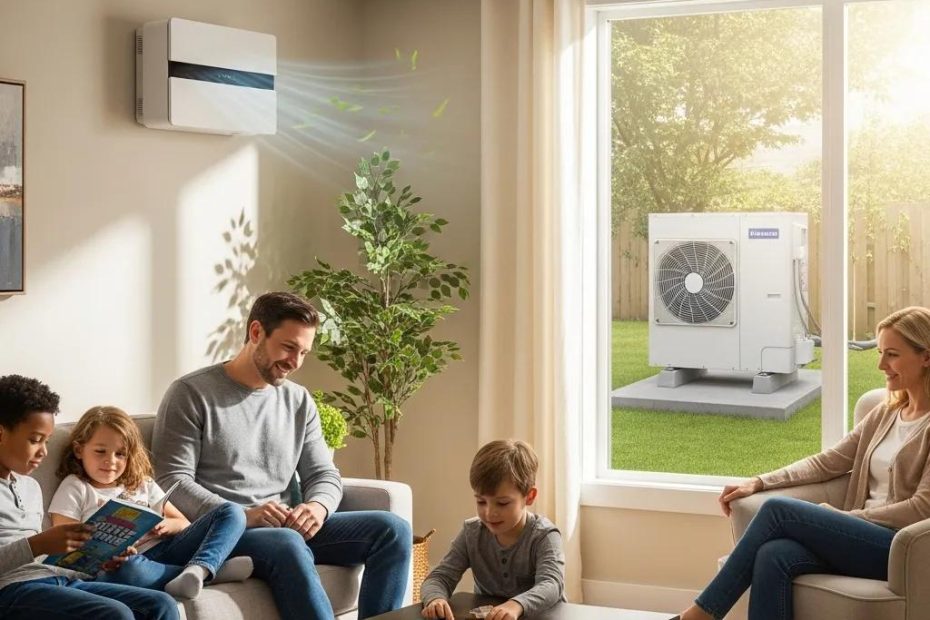
Optimize your home comfort with expert tips on heating and cooling air conditioners. Learn how to maintain and enhance your unit’s efficiency today!
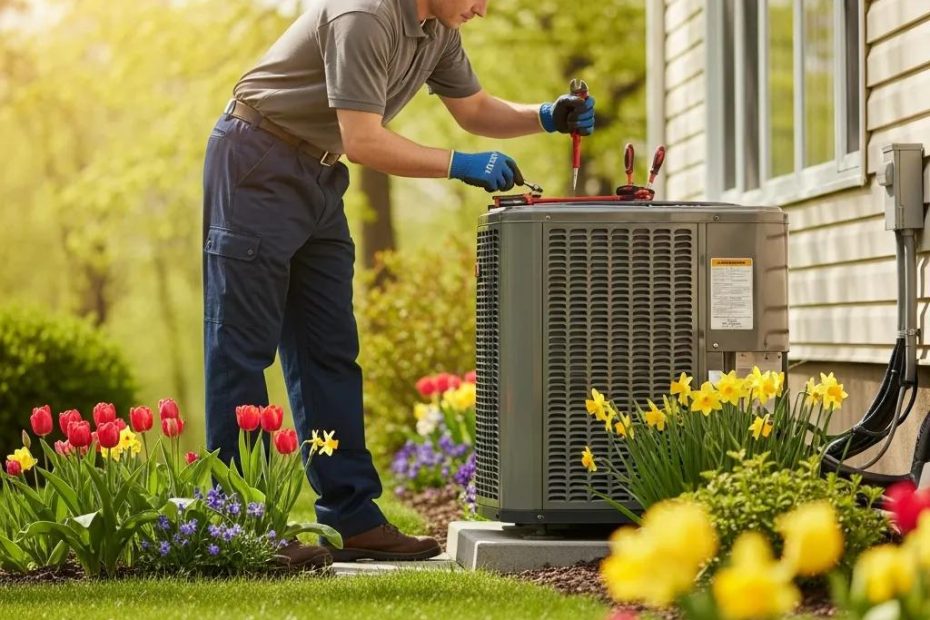
Get your home ready for spring with essential HVAC tips and the best summer air coolers. Stay cool and comfortable all season long!

Maximizing home HVAC performance is key to efficiency. This trusted guide provides expert tips to enhance system reliability, save energy, and improve comfort.

Keep your home safe by addressing hidden dangers in neglected furnaces. Learn how regular maintenance protects your family from potential hazards.
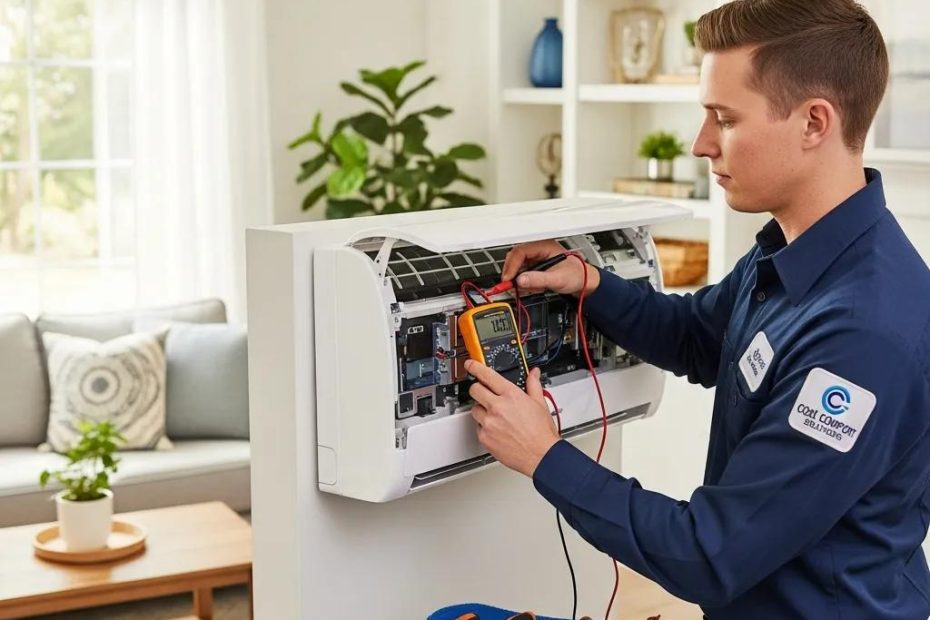
Keep your AC running smoothly this summer with essential maintenance tips. Learn how to prevent breakdowns and enjoy cool comfort all season long!

Struggling with high heating bills? Learn effective tips to reduce your costs and improve energy efficiency. Take control of your expenses today!

Choosing the right furnace size is crucial for your home’s comfort. Use our calculator to determine BTU requirements and ensure efficient heating.

Choose wisely between a high efficiency furnace and a standard model. Compare costs, AFUE ratings, and overall efficiency to find the best option for your home.